A NOTE ABOUT FORM & STYLE
The slowing down and opening up that Clara experiences over the course of film is the same arch that will guide the telling of the story cinematically.
Starting in Clara’s busy life in LA—sweating as she speeds down highways, pushes her body in rehearsals, and scrolls alone at night—the scenes will move quicker, rarely pausing for a breath, following the sense of blurred time that comes from staring at a phone at every idle moment. It’s a restricted world, with close ups and less sense of the environment, highlighting the inflated importance of the ego and the loneliness of the digital era.
With Clara’s arrival on the island, the film will begin to slow into the openness of its long walks and patient conversations. Longer shots, fewer edits, wider frames making the characters smaller, diminishing the ego and letting the trees and water spill into the frame. There is a sense of presence that - while it was there all along in the city - will settle in more and more.
Throughout, subtle emotional shifts will be explored in an understated, naturalistic style, refraining from exploiting the drama for sentimental value but not shying away from sincerity. And at select moments - whether in the camera’s meditative wanderings, the holding of a shot on screen in the edit, a small gesture of sound, the shaping of natural light on set, or the movement of an actor in space - we will push beyond the realism of the film, touching more directly on that space at the heart of the film.
Our job as collaborators will be to find a visual language that can make these shifts almost impercebtle to the audience and not feel forced or heavy handed. We have to hold a sense of where the film will arrive to know how to approach it from the beginning and make it all feel like one film. How do we meet the anxiety, lonliness, and pace of the city in the same film that reflects the rythm of the island?
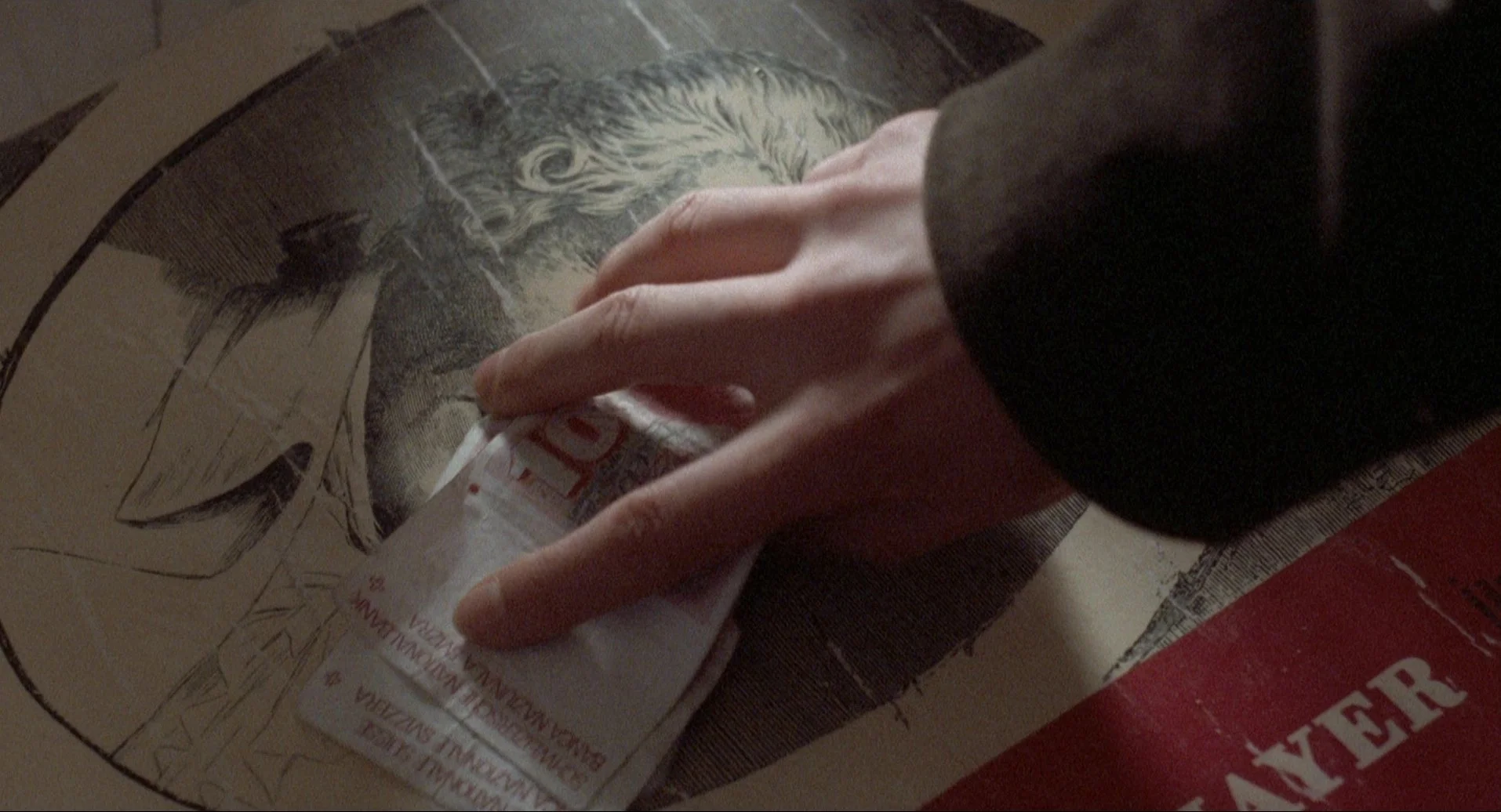
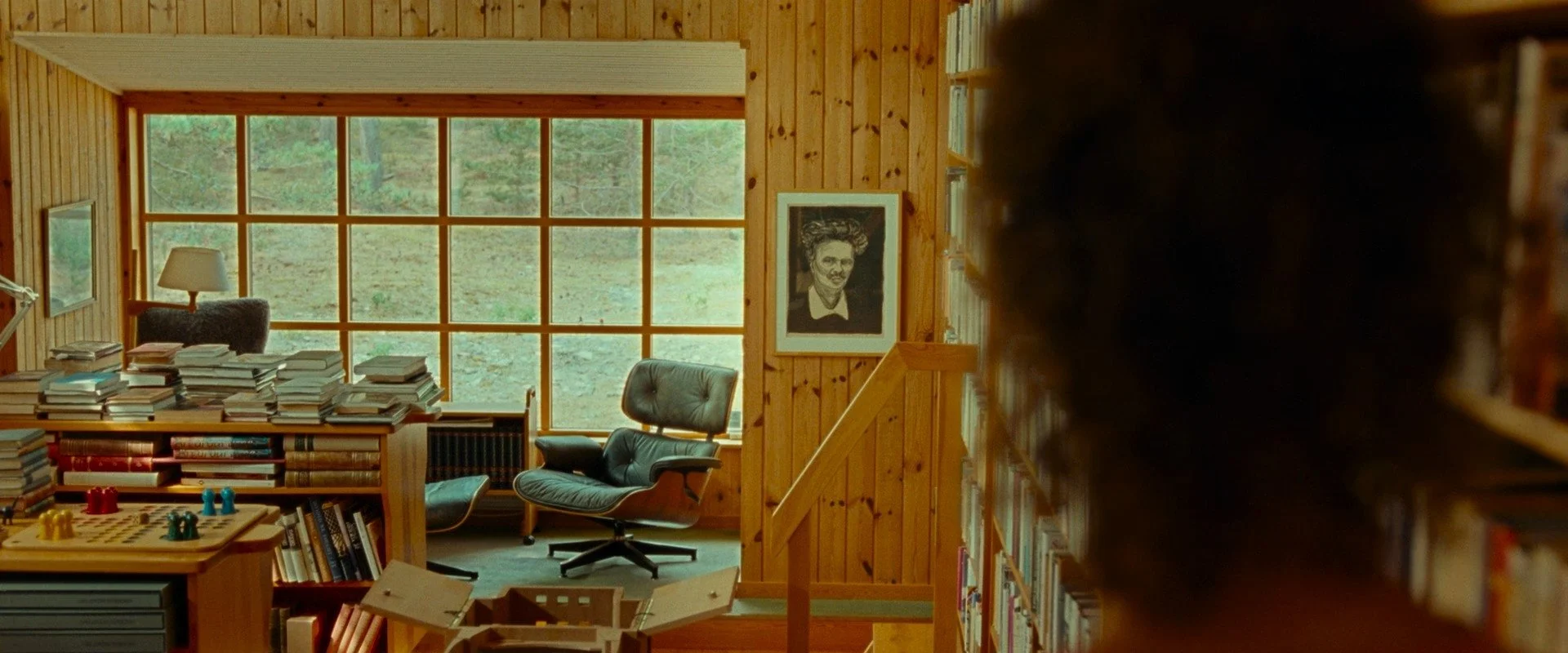
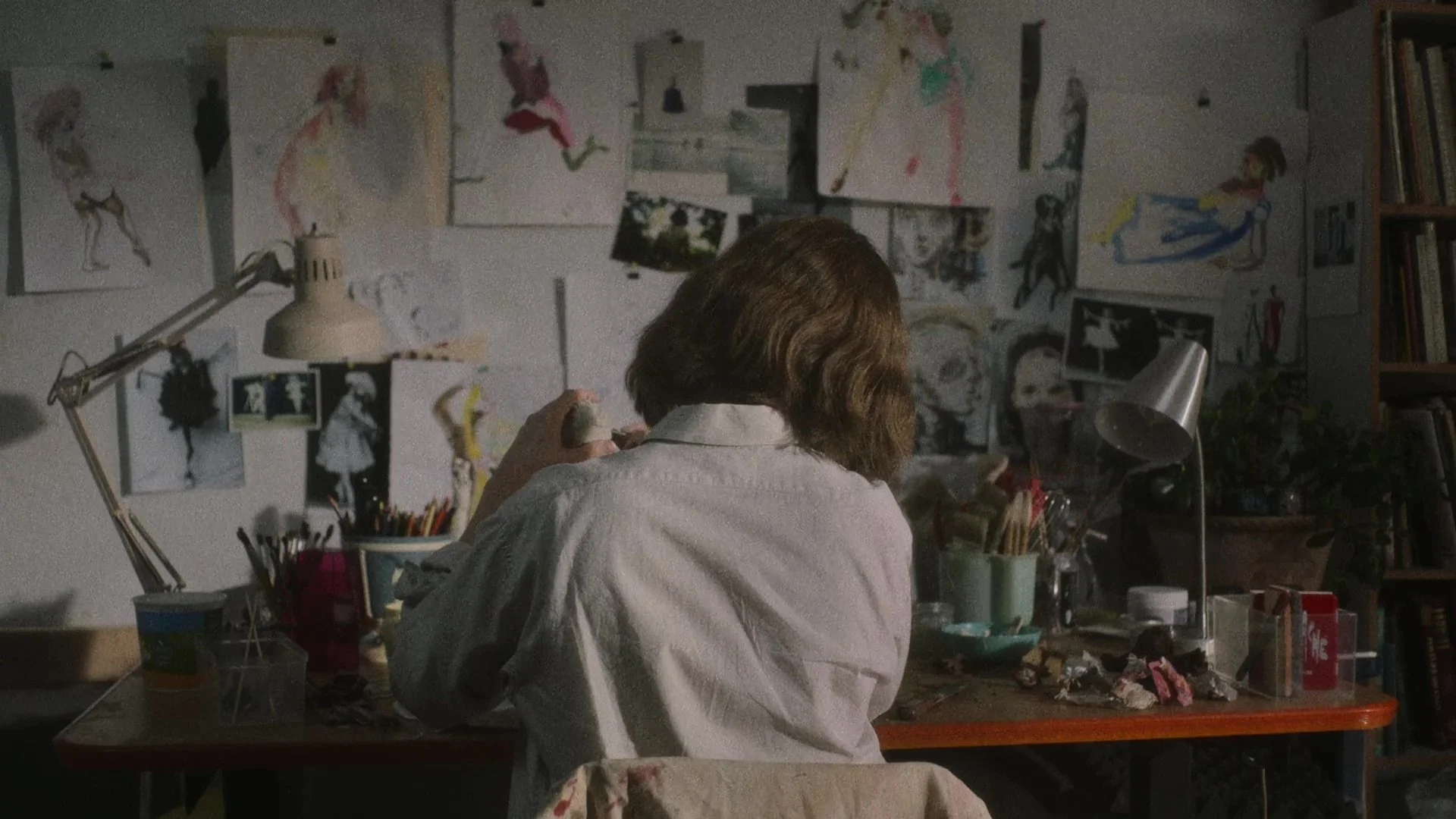
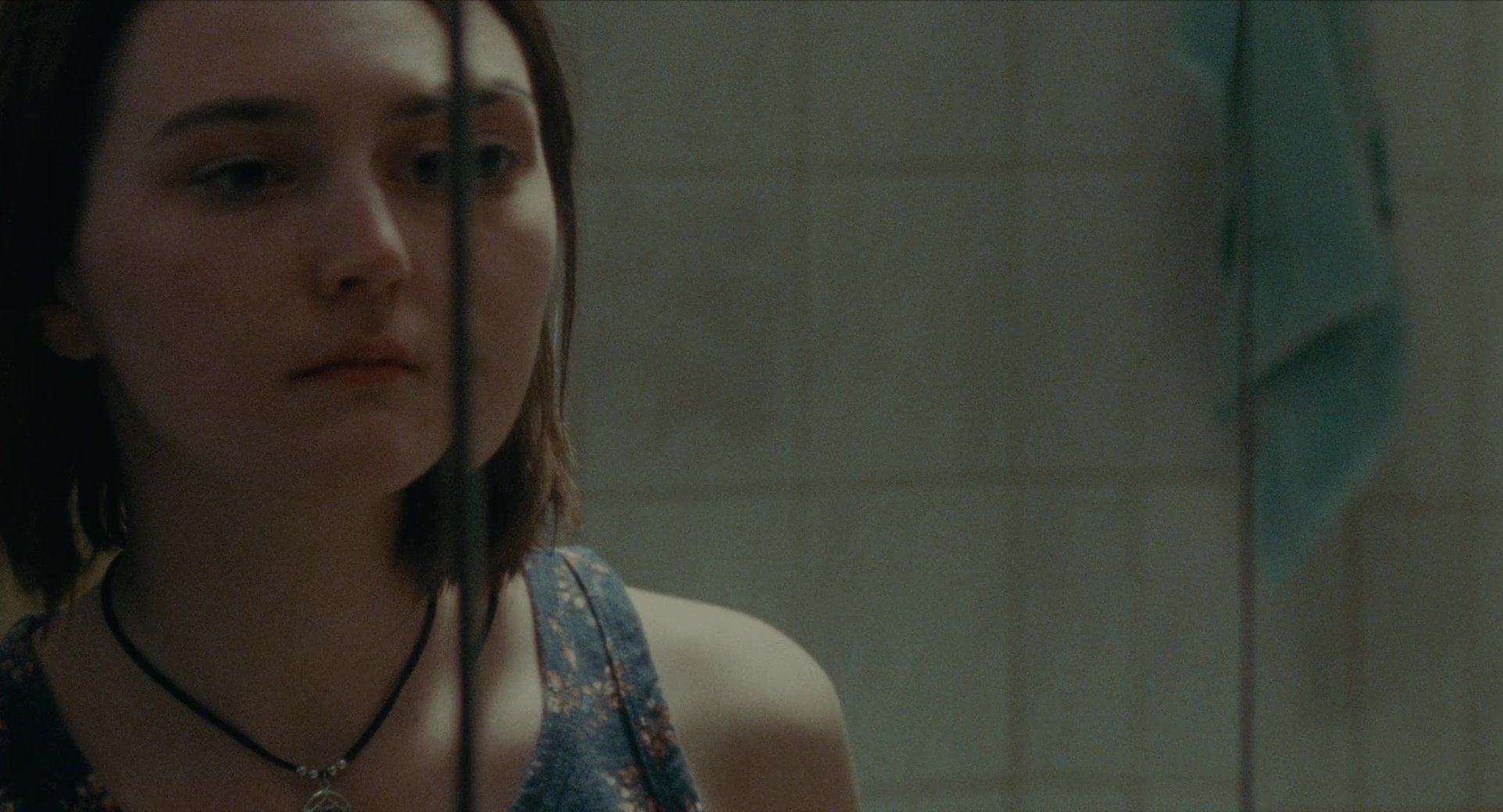
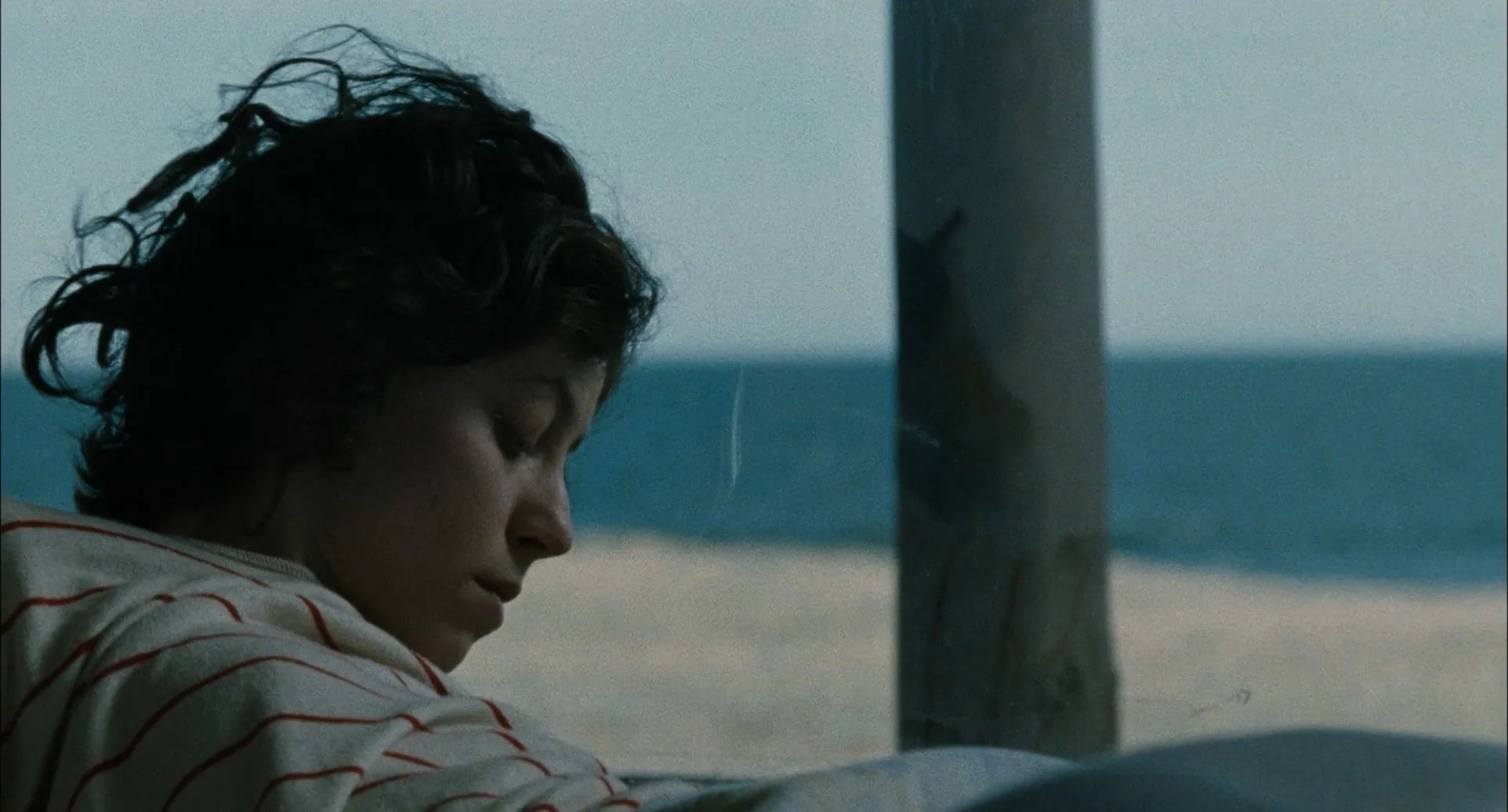

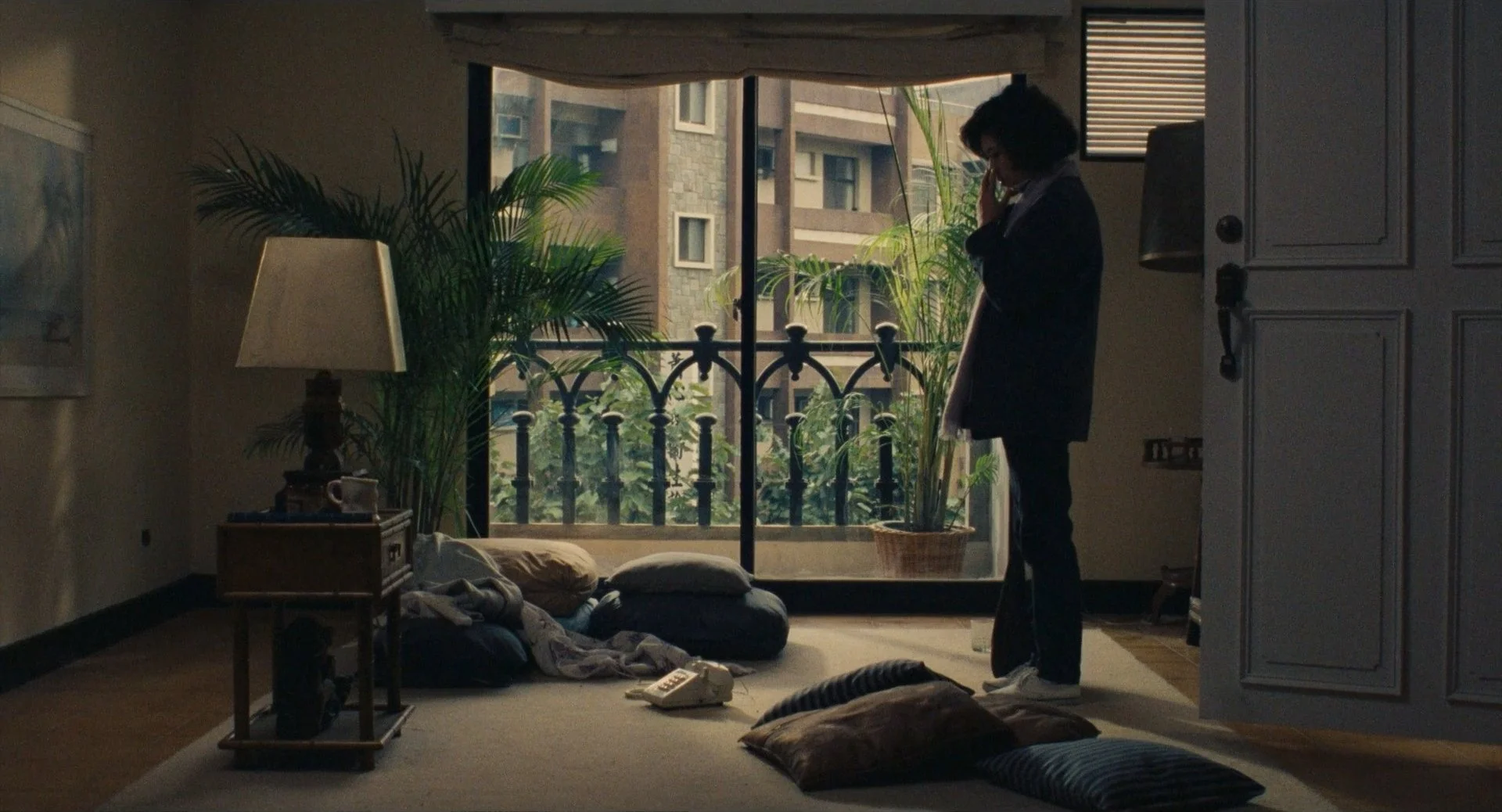
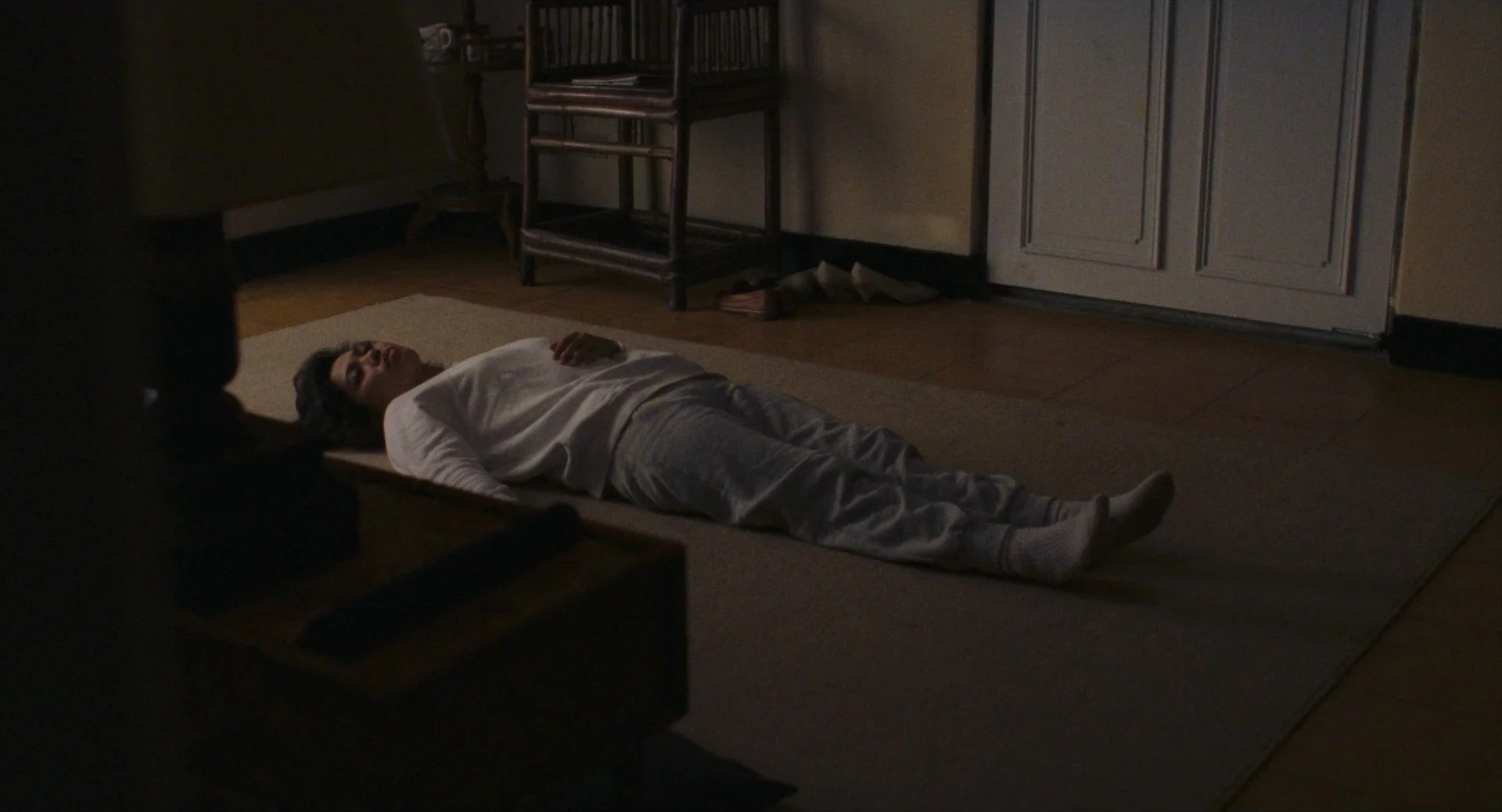
I will suggest a handful of films to watch. They are not meant to be one to one references, but to have some sense of shared language of film to reference. I would also like to hear your ideas, what the script and images make you think, so we can find how best to tell this story. I say this not to be coy, or to pretend I don’t have some idea of the film in my head, but what a shame it would be to now be open to your artistic minds. To turn them off from the start, and not open up this film and my self to new ideas and ways of seeing.
FIRST.
Naturalism
I have no idea what naturalism means in film theory, and anything it doesn I’m not referencing. What I mean by it is some sense of respect for the audience to not force a feeling on them. In some sense I am looking for an sense of “transparency” in the camera language, one that doesn’t call too much attention to itself and the mecahnics of “now were on a big crane going up!”.
I began thinking about this film with where it would end up on the island. The pace it could have there, these longer conversations, and walking through the woods. I have a love for the so called “transcendental” filmmaking, of long takes, minial camera movement, intentional cuts. And if something of that world is a place we could arrive at (in our own understanding)? I’m thinking of the films of Edward Yang. And also Bergman
I look to the films of Mia Hansen-Love as a good reference. They are not flat, observational films, but full of movement, yet most of it is all on a tripod. Characters come to and move across the camera, motivating movement. But the enviroments don’t feel lit in any expressionistic way, but feel almost as though there is no lighting.
In writing this film and thinking about
FILMS THAT INSPIRE ME
There’s no one film I can point to as a reference for this film, and I try to steer away from one reference for as long as I can to let the film stay alive in my mind. But in my own DNA as a filmmaker, and at different points thinking of this story, I’ve thought about of the naturalism and sense of blocking in the films of Mia Hansen-Love (Things to Come, Goodbye First Love), the sense of existential/spiritual mystery of Kiselowski’s later films (Red, Double Life of Veronique), the psychological potraits of Eliza Hittman (Beach Rats, Never Sometimes Always Rarely) and Bergman (Passion of Anna), the sense of patience and presence of Edward Yang (Taipei Story, Yi Yi) and subtlety of Kelly Reichardt (Certain Women, Old Joy), the fly on the wall feeling of Frederick Wiseman’s ballet documentary’s (La Danse), the restrained minimalsim of Soffia Coppola (Somewhere), and the mysticism the natural world of Tarkovsky (The Mirror) and Apichatpong Weeresethakul (Tropical Malady). I hope together they can give some sense of my own sensibility, while also freeing us to make a film that emerges from the circumstances of our own story.