TWO WAVES
****Please listen to the John Luther Adams music below while you scroll through the images ****
THE HEART OF THE FILM
I’d like to bring us all into this film from the same starting point. It’s a space within the film, within each character, and maybe a space we recognize in ourselves, that is the very heart of this story. It is a place of calm, of curiosity and interest, of openness and love, of presence and beauty and a recognition of the way things are. It is one of mystery, as though there is something present just below the surface that we can feel but can’t quite touch. It is a feeling that will draw the audience through this story, this sense of intrigue, and one that holds everything in this film together.
This perspective is so often covered up in our own lives as in the lives of our characters by so many things: anxiety, ambition, grief, self-doubt, frustration, loneliness, shame, regret, the list goes on. In the film, we will not shy away from these difficult emotions in our depiction of the inner lives of our characters, but try to bring the same curiosity towards recognizing them and their affect on our character’s behaviors and experience of life.
This space is one of openness. It holds all of these ups and downs from a compassionate view point - one that is right there with our characters in their struggles, right there in the tensions of the film, but also set back slightly, inviting our characters, and the audience, towards another way of seeing. It is not a solution or an answer to any of the questions of the film. It simply exists along with them. Our work is to be true to it while not over ariticulating it, but also not making it too obscure for the audience to reocognize. We must always find that edge at each part of the process and use our intuition to know when we are pushing to hard and forcing a feeling, or forgetting our intention and letting it slip away.
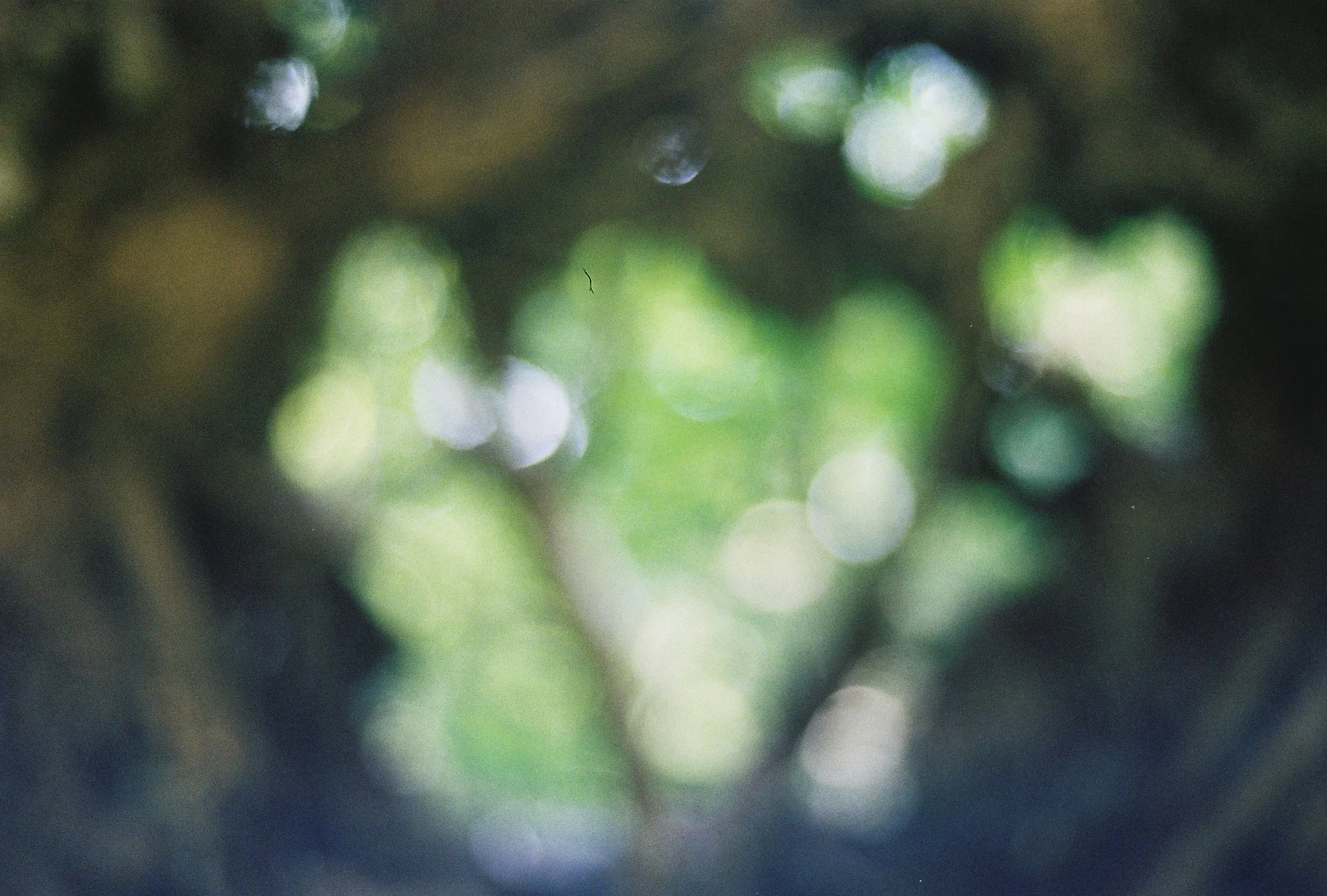
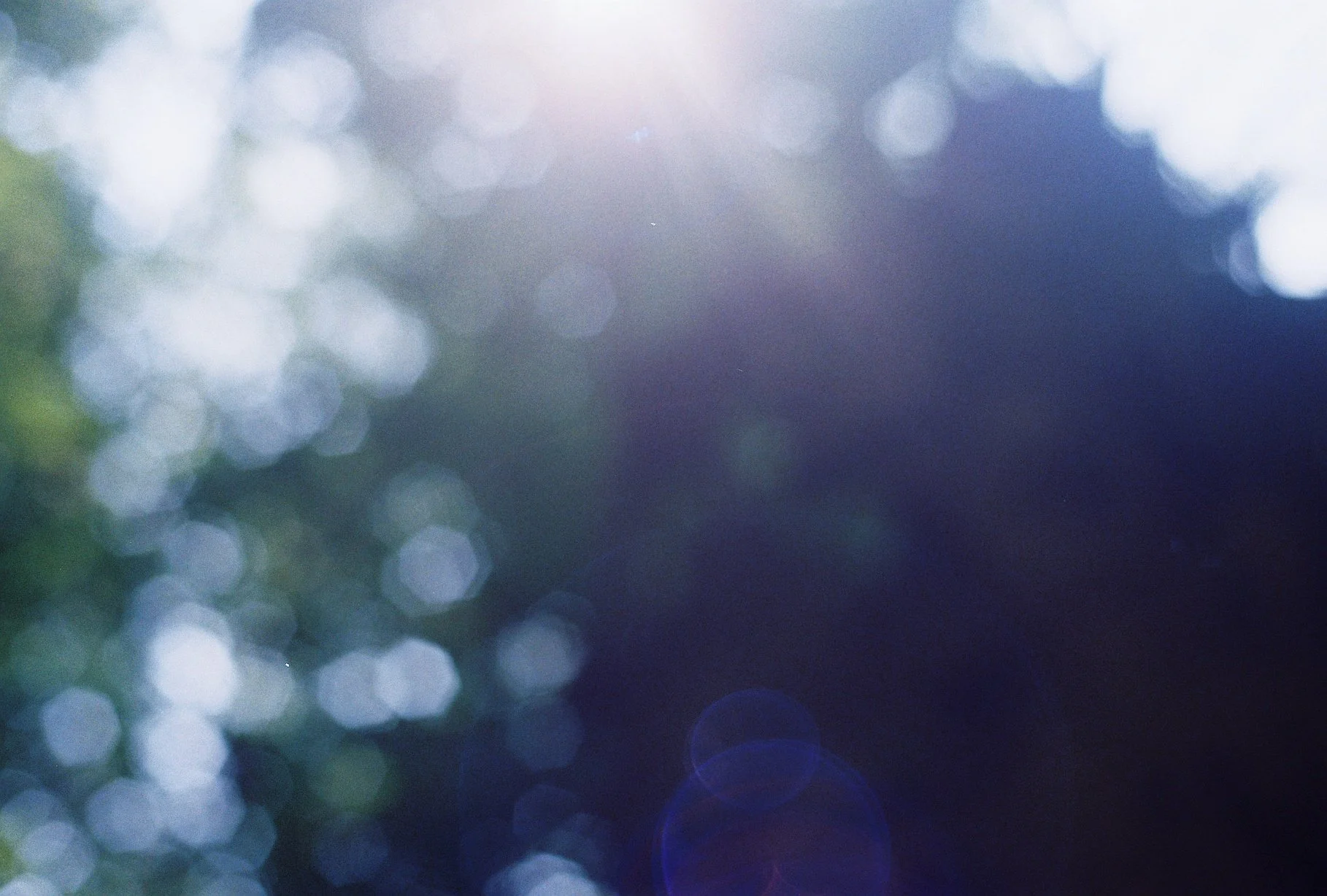
The music you are listening to from John Luther Adams is a good starting place for the tone of the heart and soul of the film. It is an inner space that Clara has yet to recognize in herself, one her Dad searched for, one Anne holds too with a light hand, though still fails to see time and again. It seems to emanate from the natural world, and as the story evolves it pulls Clara and the audience closer. For much of the film this mood will be in contrast to the pace, rhythm, and texture of Clara in her scrolling and panic attacks, in her desperate rush to free herself from discomfort. But scattered throughout, this feeling will punctuate the film at certain moments, hinting at a space to which Clara will slowly open towards on the island.
We will feel it right from the opening - can you hear this music over black as we hear the sound of Clara’s breath, then on screen appears mess of limbs and movement, before she reaches forward and clicks off the camera?
And then, we jump far away from this feeling, as her everyday life in the ballet company begins with a flurry on stage of dancers and classical music and costumes. And as we follow Clara in her anxiety, in her striving and rushing around LA sweating in her car, this opening feeling all but forgotten, slowly it will remerge. We’ll feel it after she nearly hits the animal, stepping out of her car and into the breeze of the day and watching the trees. And again arriving on the island, peering into the mystery of her Dad’s house, or arriving at Anne’s property, with the wind blowing through the chimes and strands of hair as she moves with a calm focus. And as these moments continue to get more and more frequent, and Clara pushes into her own grief and self-doubt, it will slip into her as well, for a brief moment.
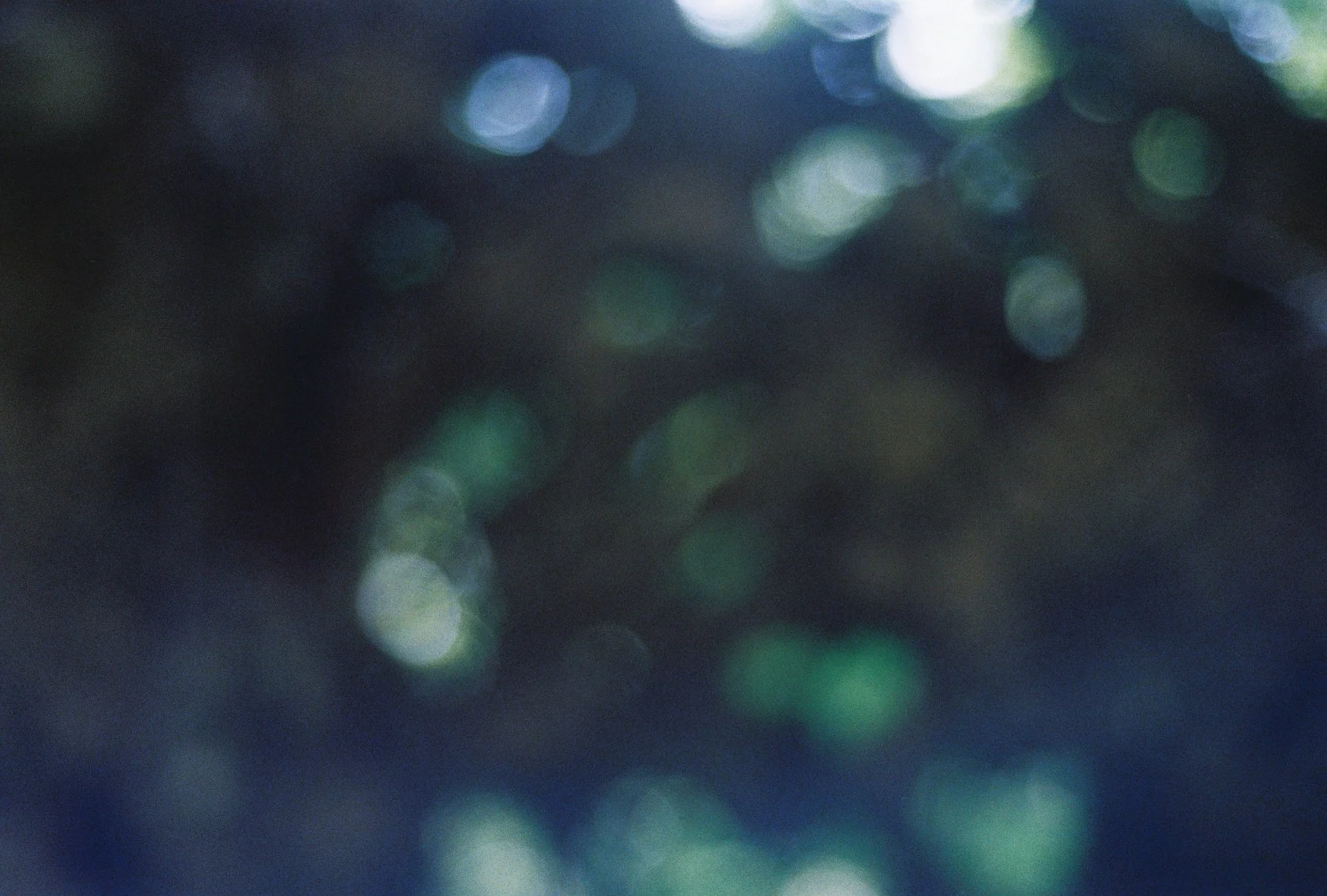
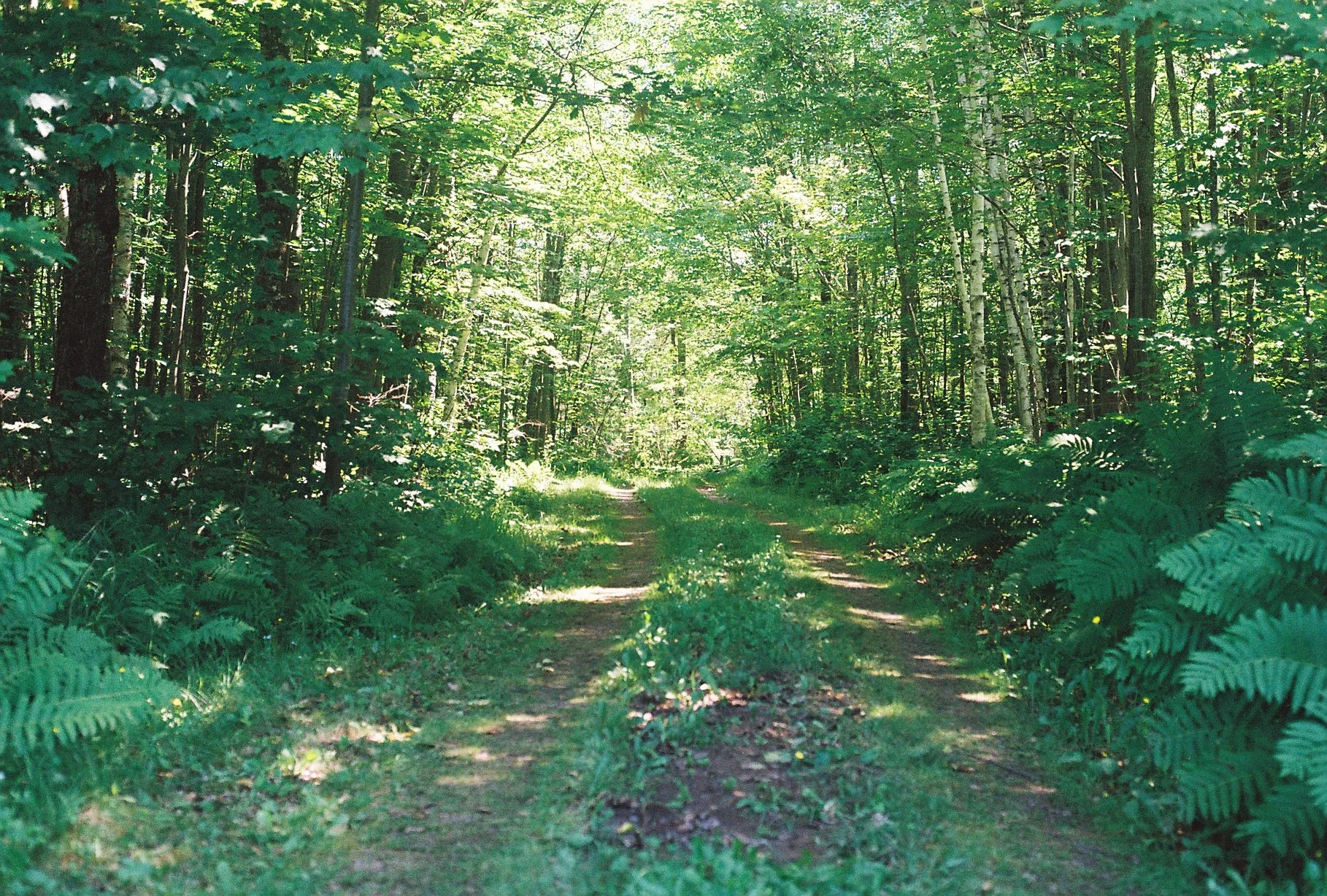
I took the photos above and this video below (videos’s from my iphone) one day while scouting for the “Tree in the Woods” that I describe in the script. I was trying to imagine that moment on screen, towards the end of the film, after Clara has felt that space in herself from which to dance, after she’s watched the video her father made and seen his painting, when the vision of the tree in the woods comes back, this time popping out of the naturalsim of the film and into this more spacious perspective, using sound and movement and light to create this expression of the feeling that is the heart of the film.
*(Please keep listening to the JLA piece while watching the video full screen (with the sound from the video on as well!)
Perhaps none of this will look or sound like what we discover for our film. None of this is meant to be didactic, or a description of exactly what we must do. But for now, I hope to share some of my own inspiration. And when we find ourselves lost in this process, some of this might serve as a good reminder, whether remembered or revisited, of the path we are looking for.
Below I will leave some more bits of images and videos I’ve taken on my camera or found in my researching the world of this film.
Please take them in slowly, while continuing listening to the music and let yourself dream. Can you feel how the music can hold all of it? From the paparazzie videos, to the movement of dance, to the scrolling on phones and the natural world of the island.
THE ISLAND
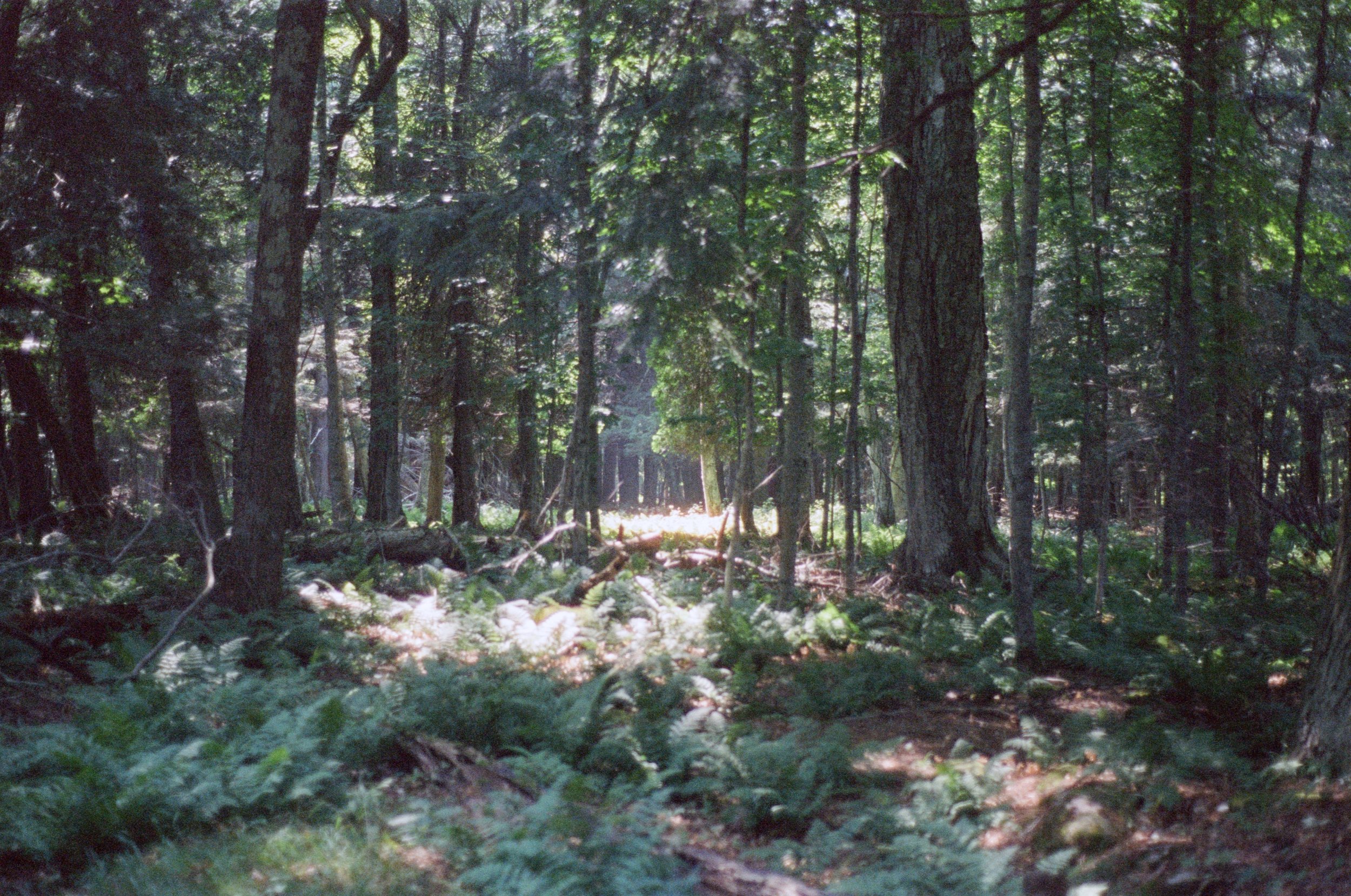
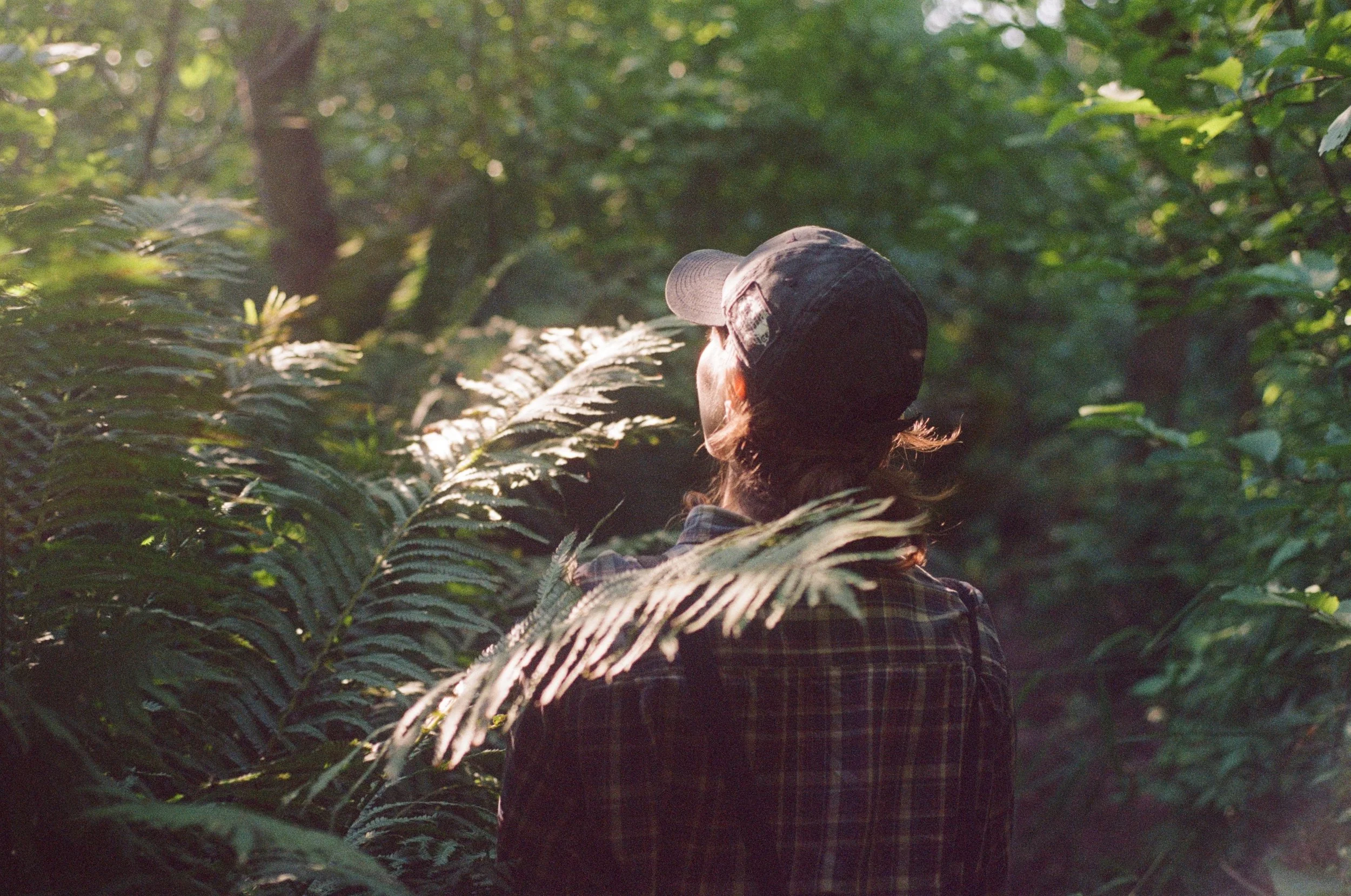
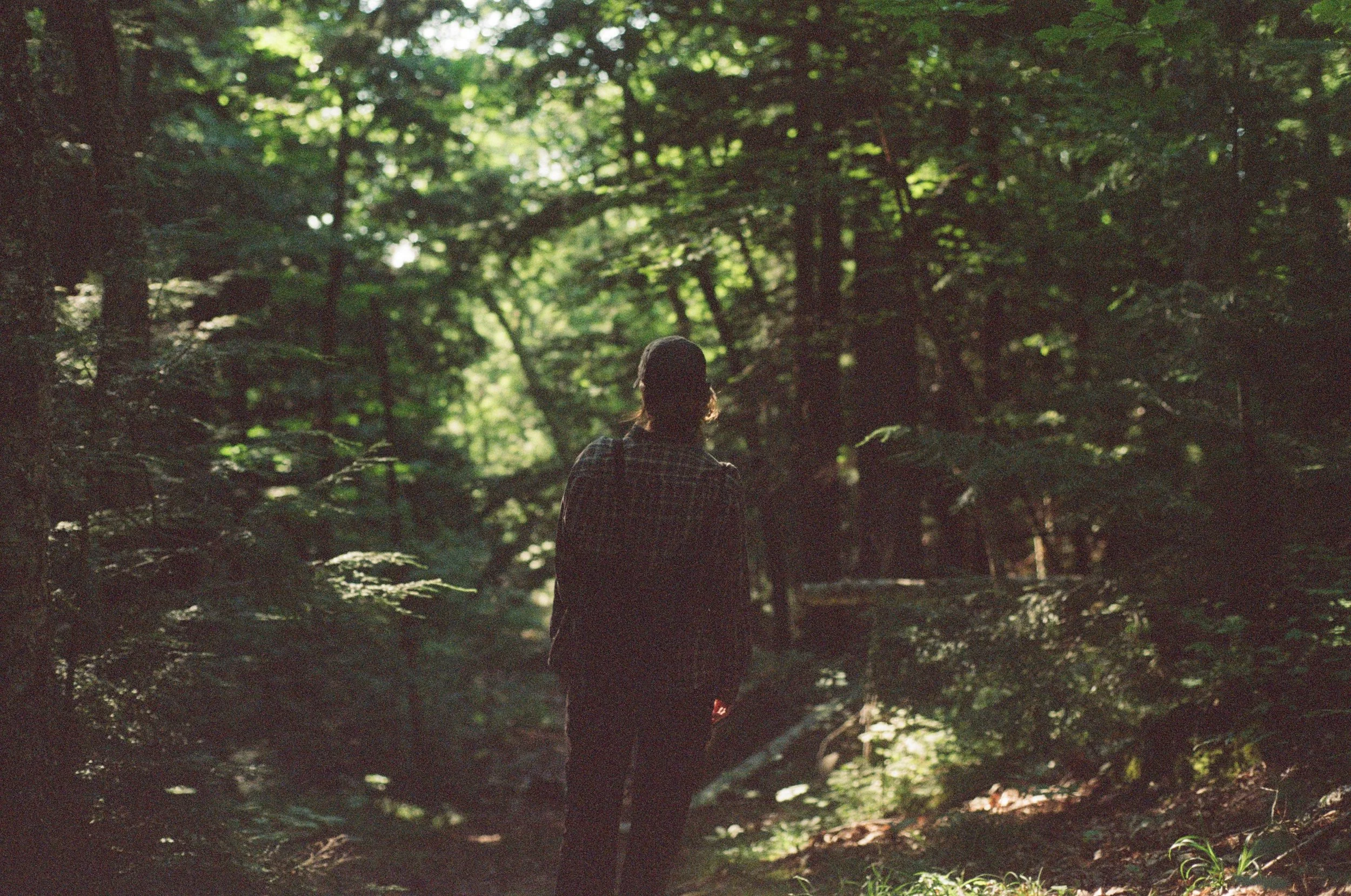
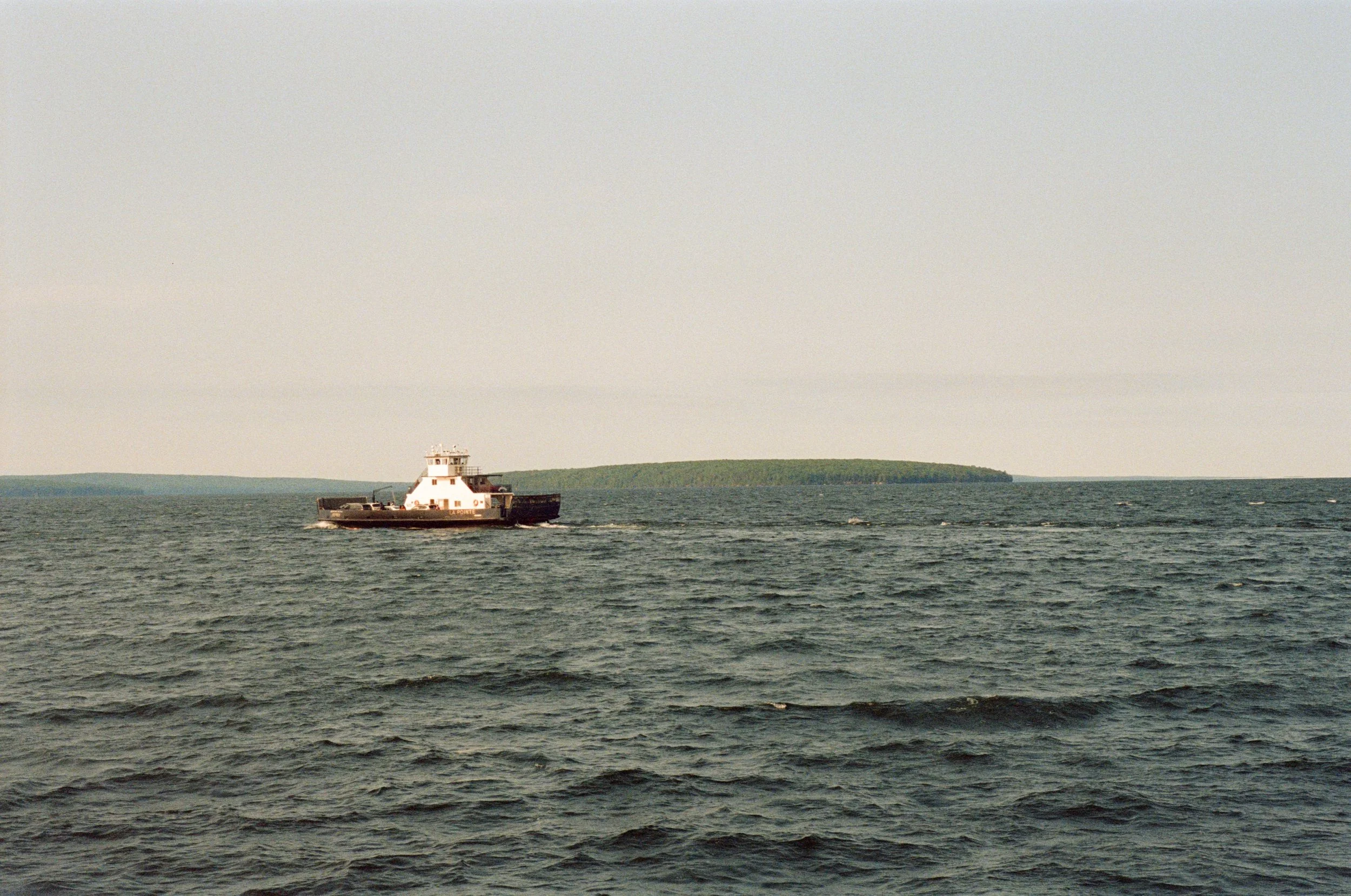
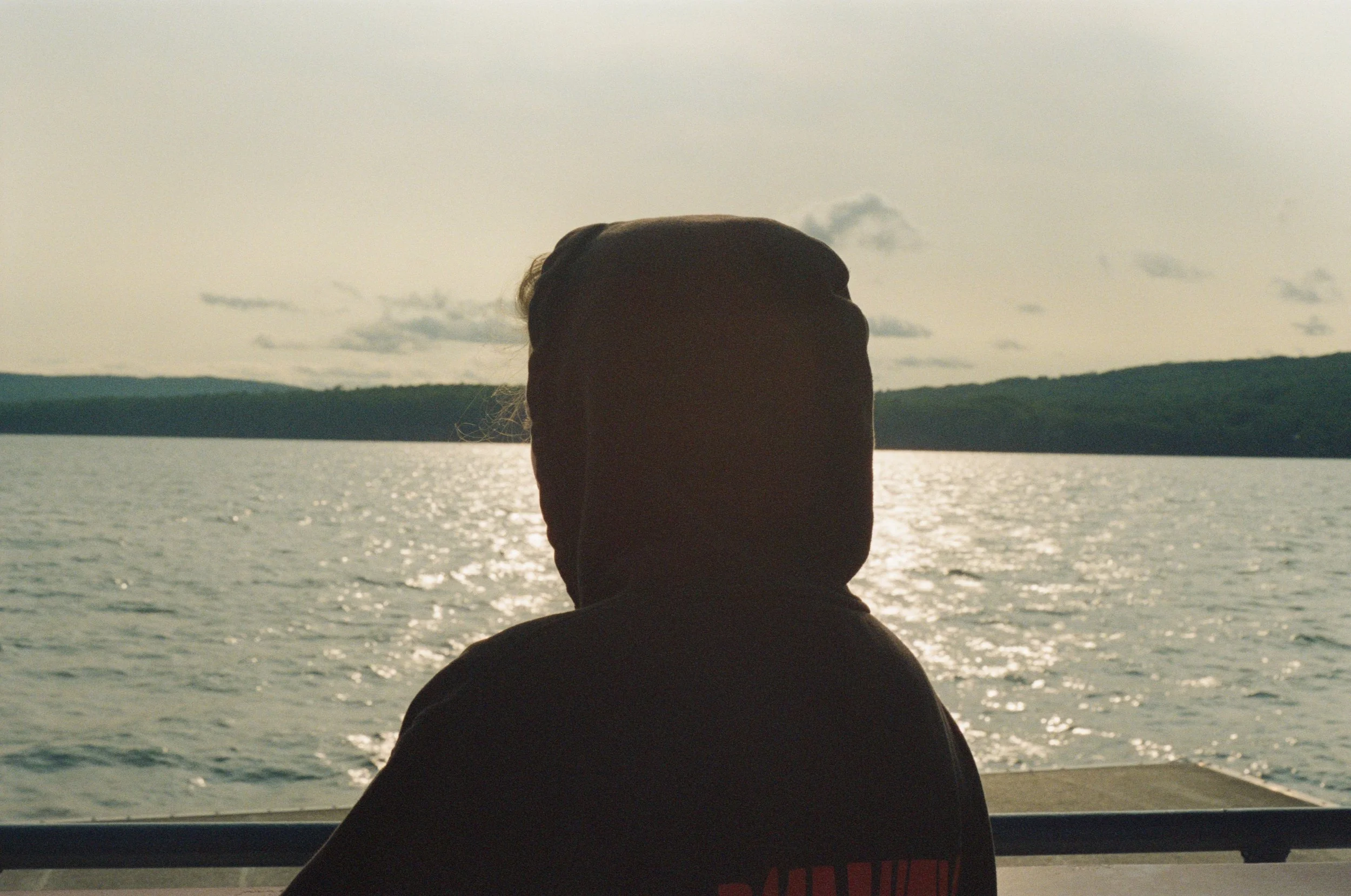
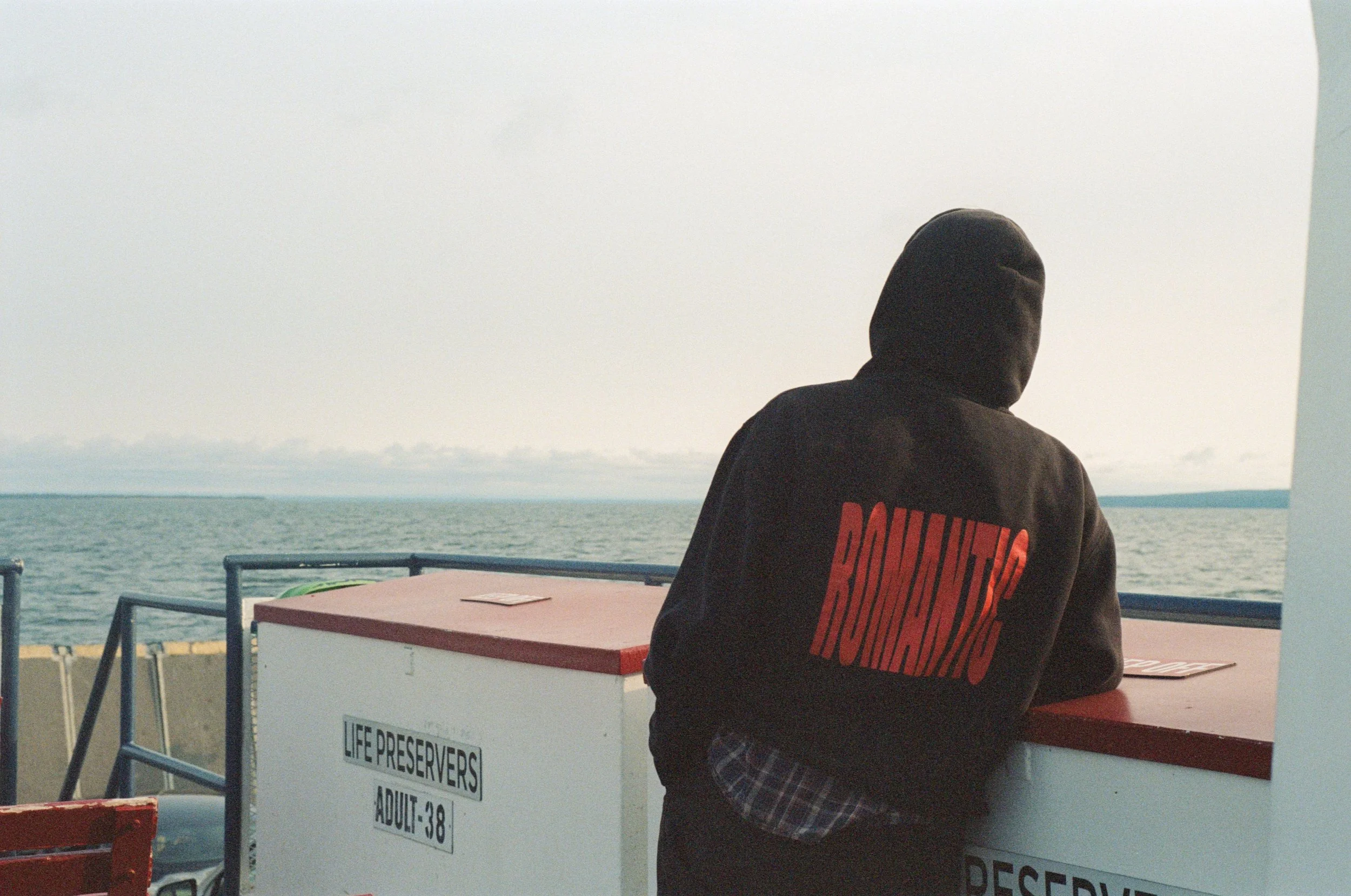
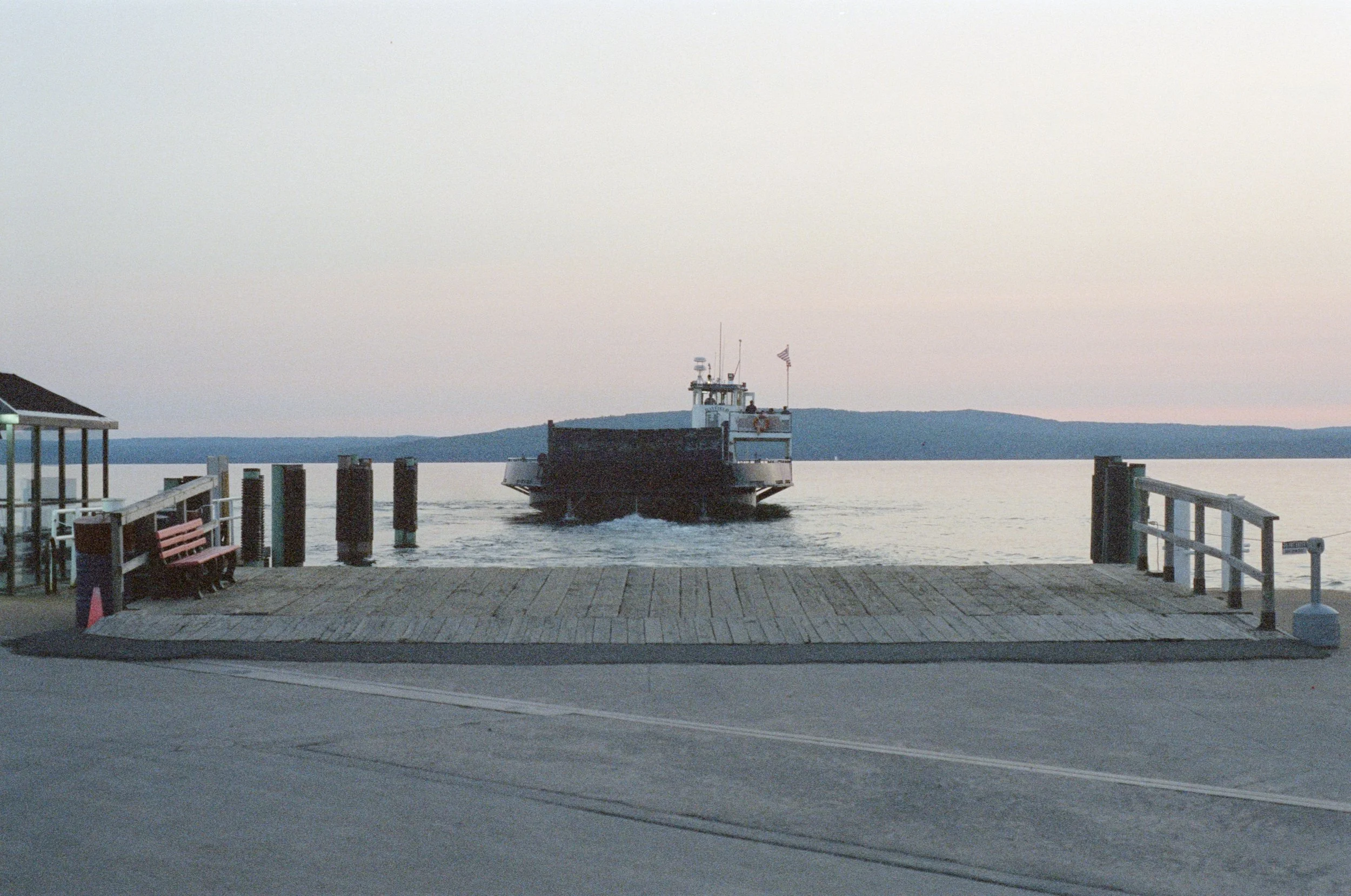
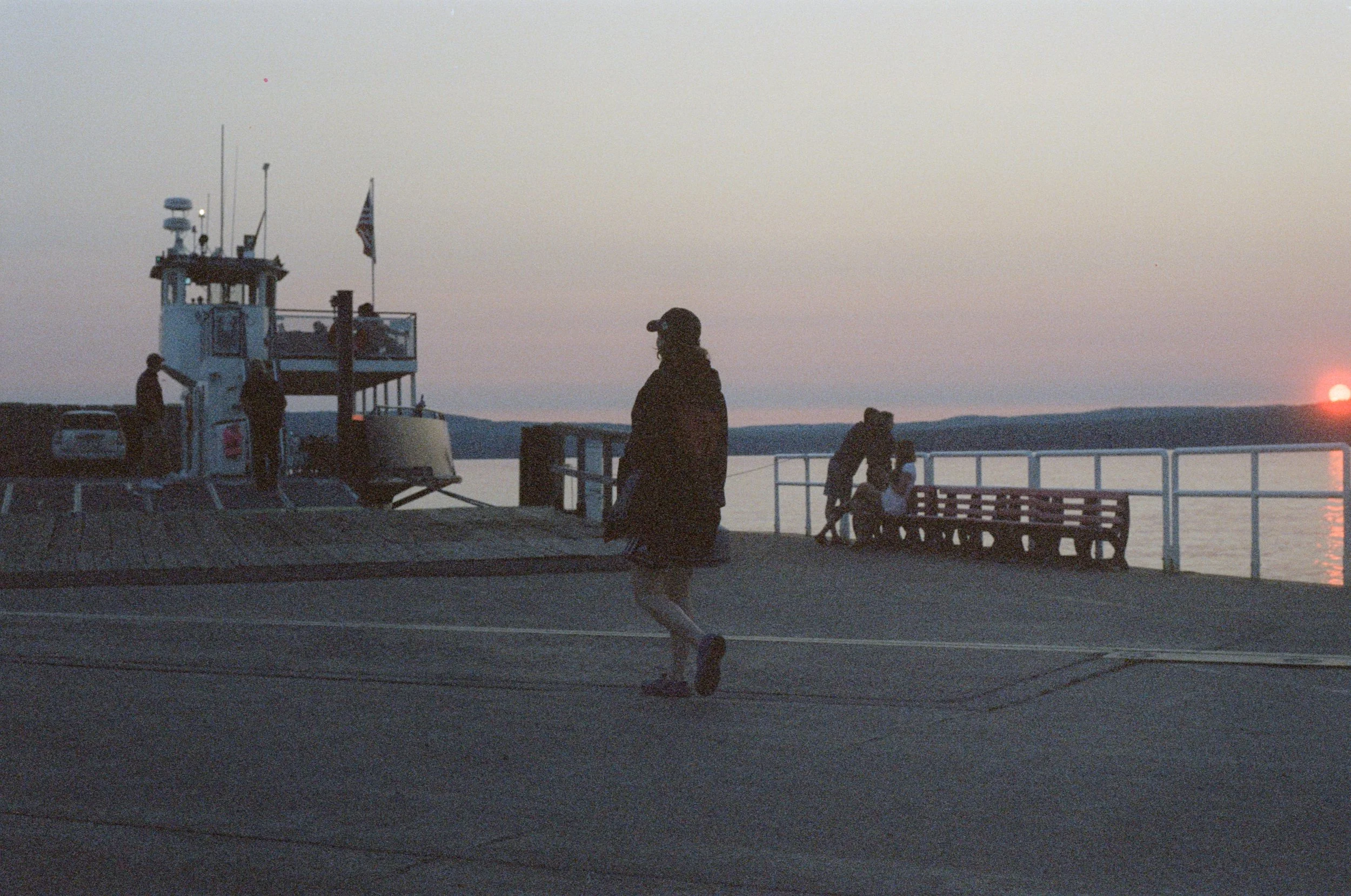
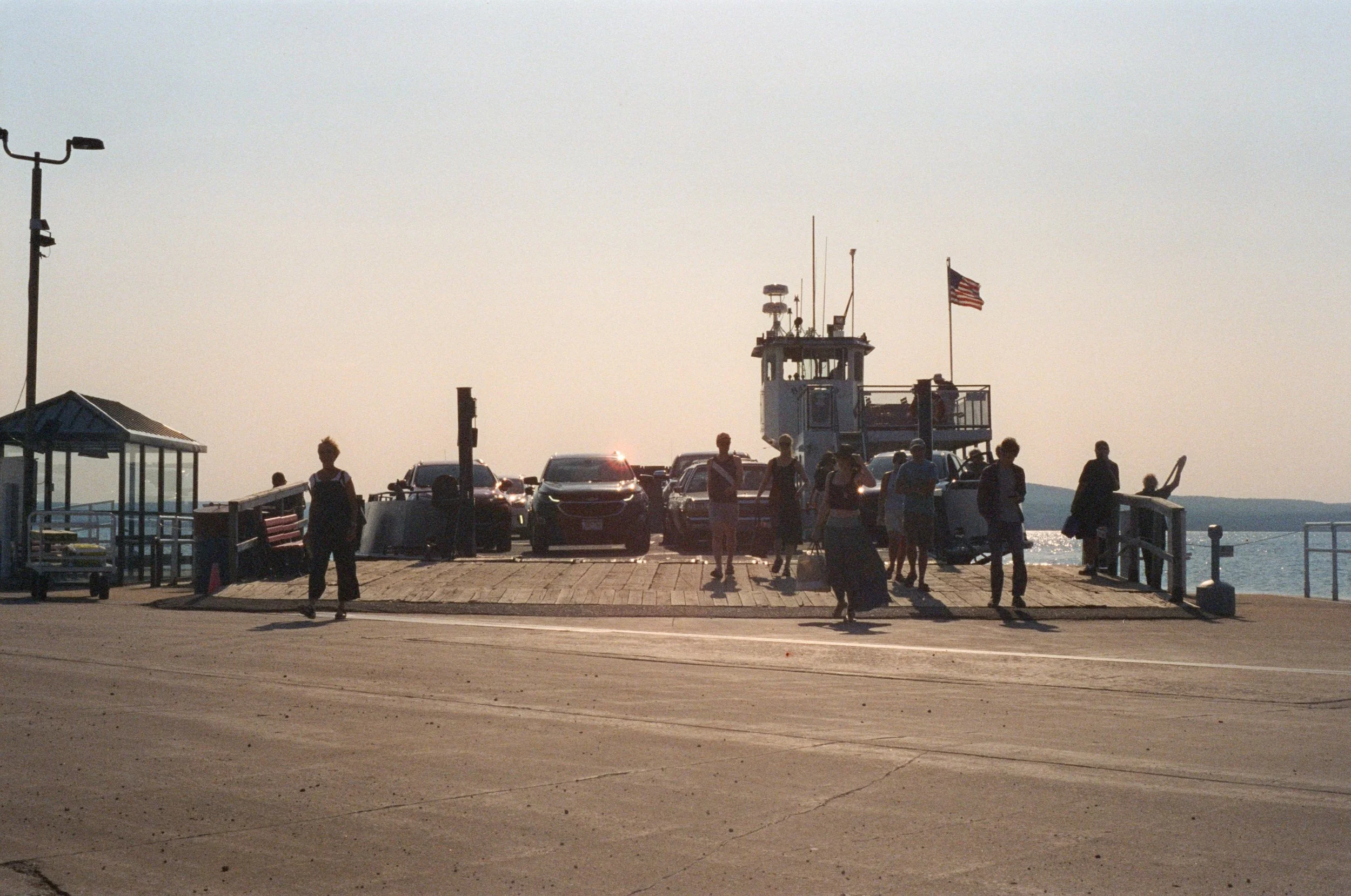
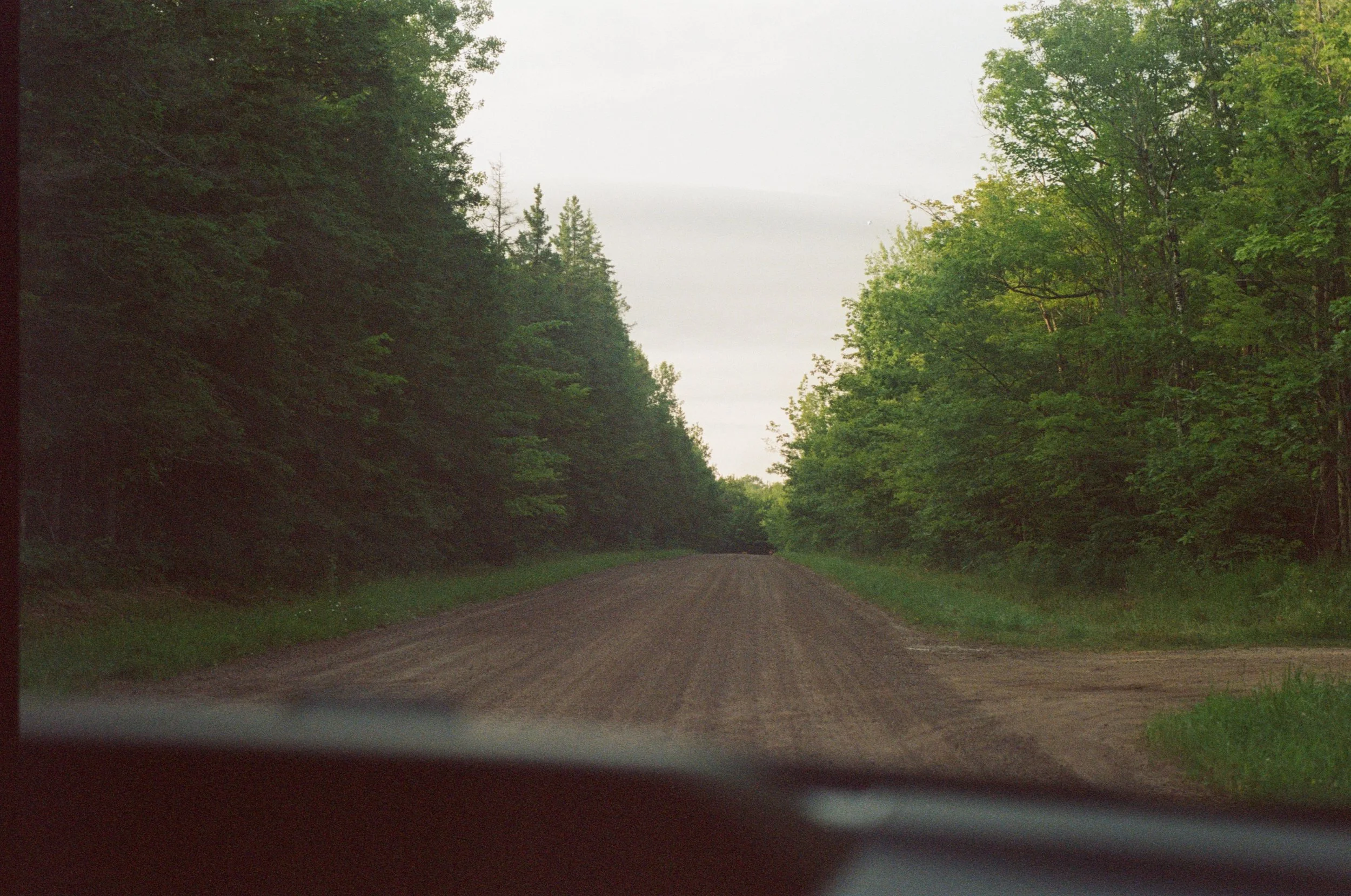
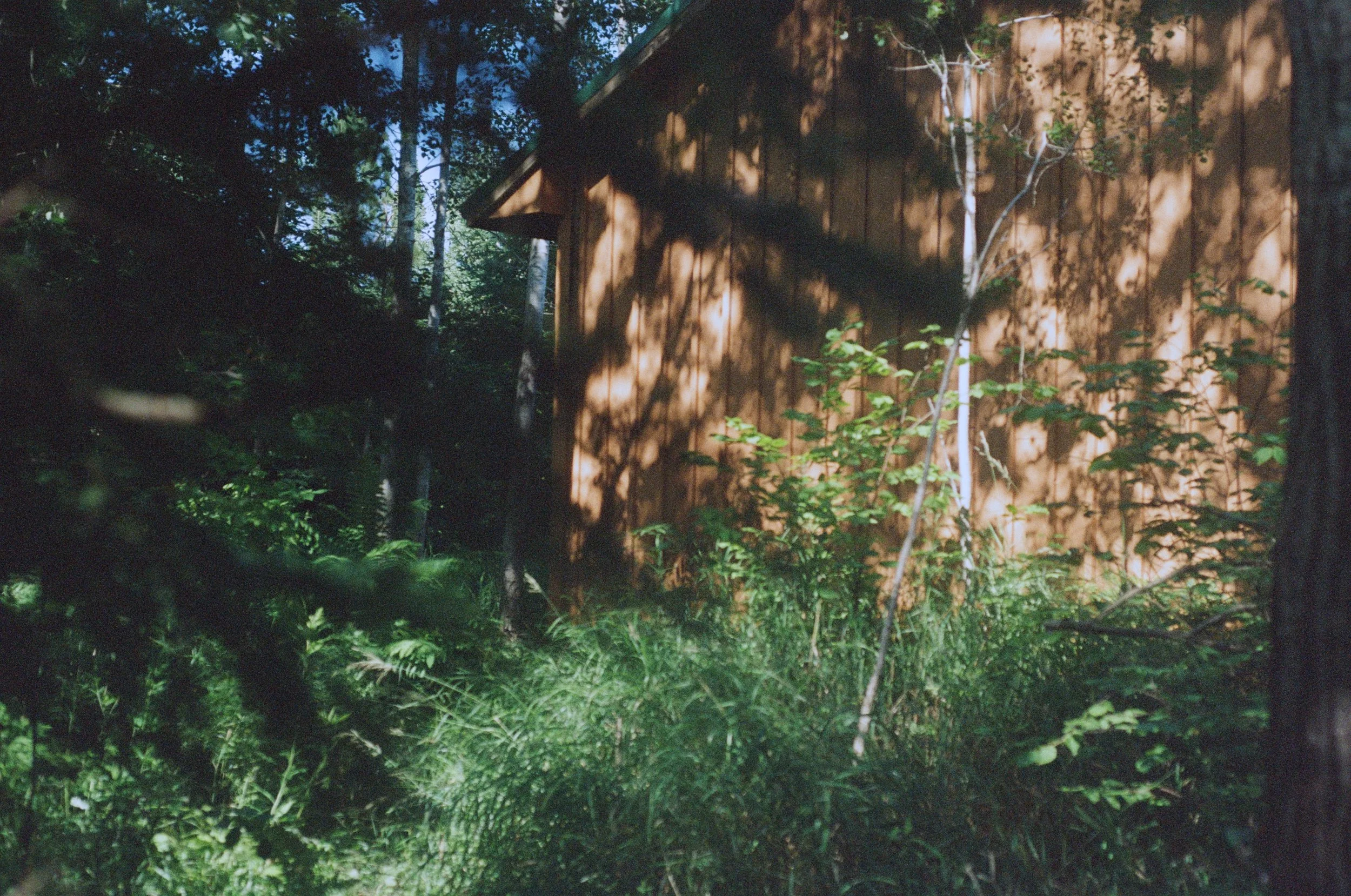
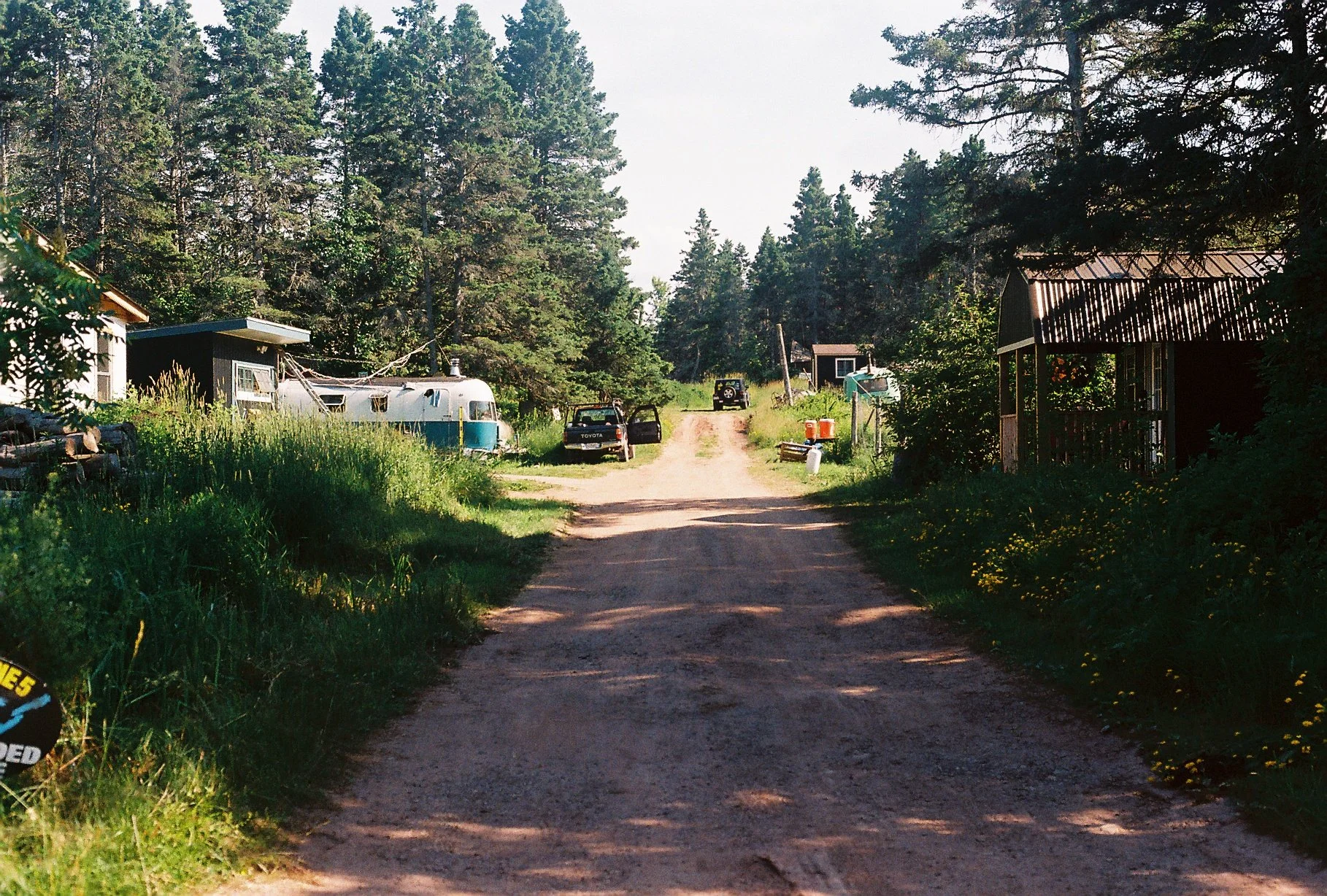
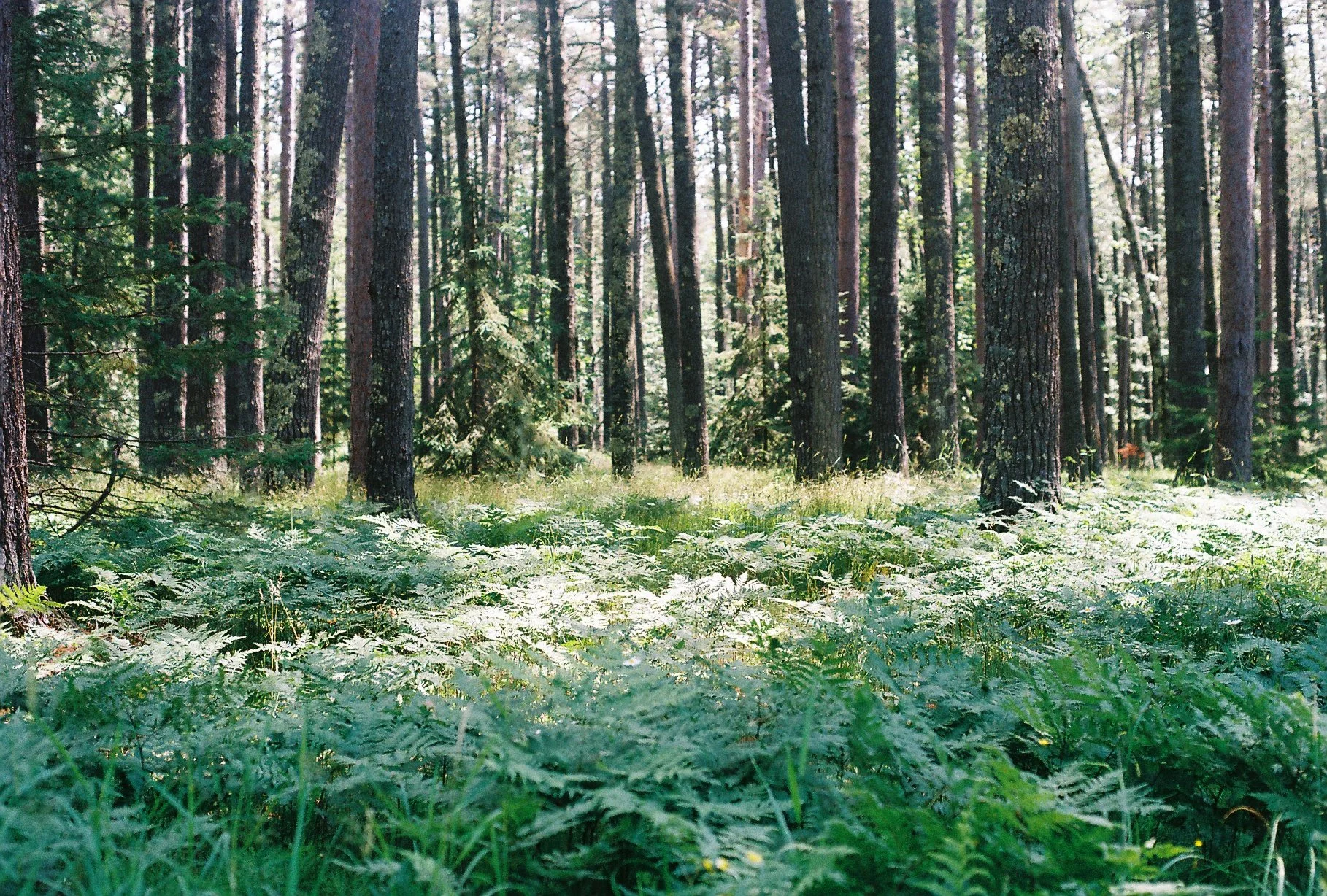
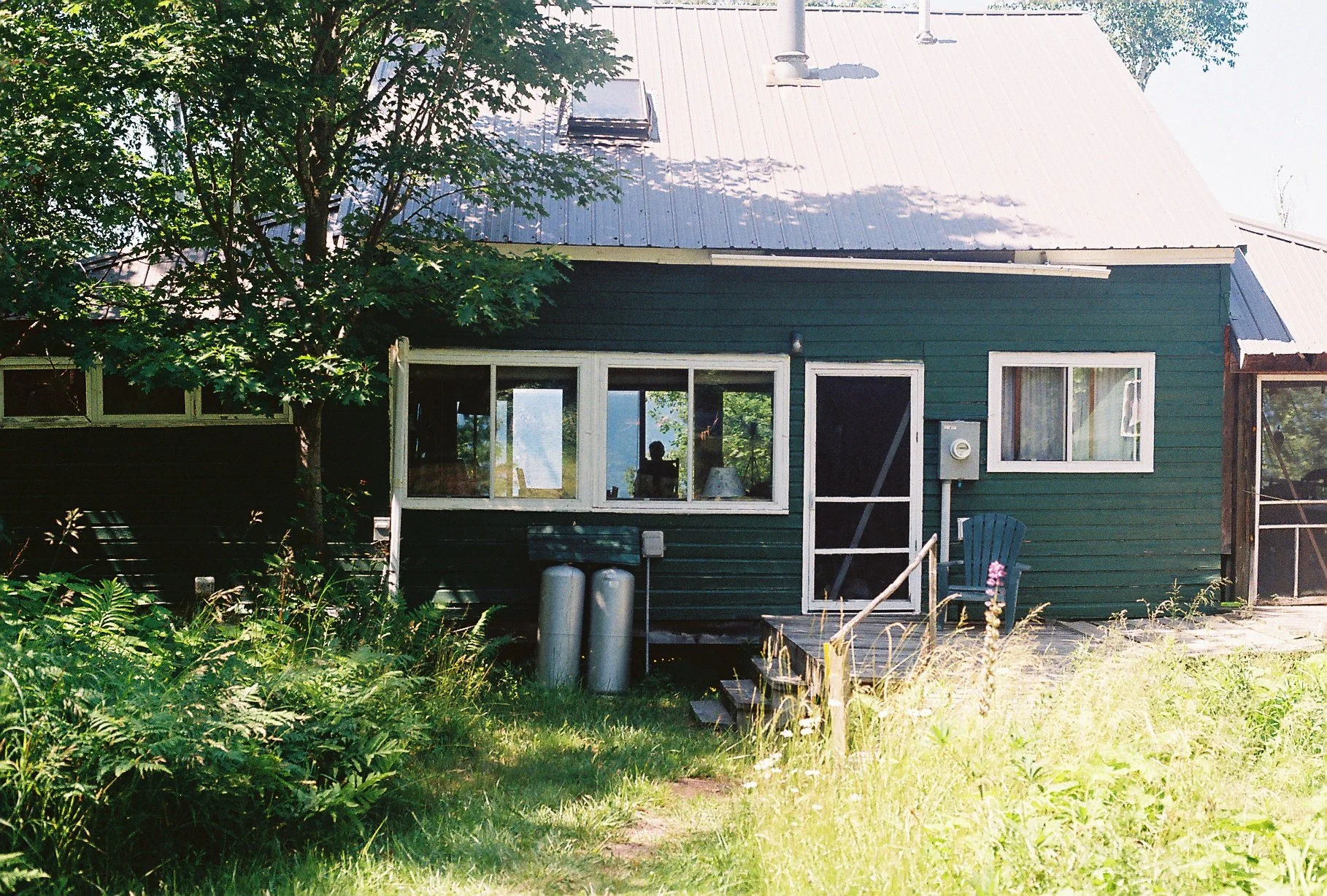
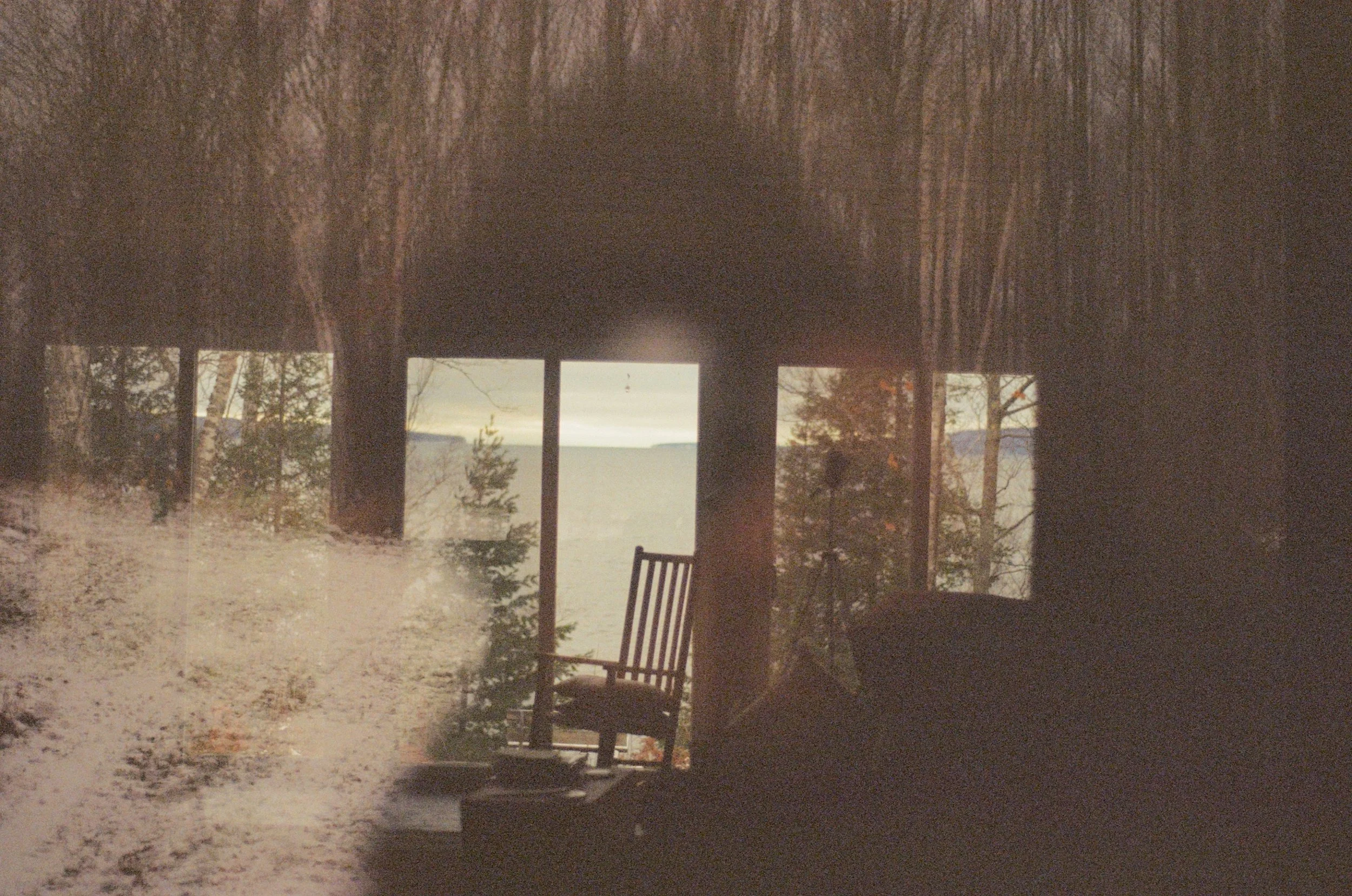
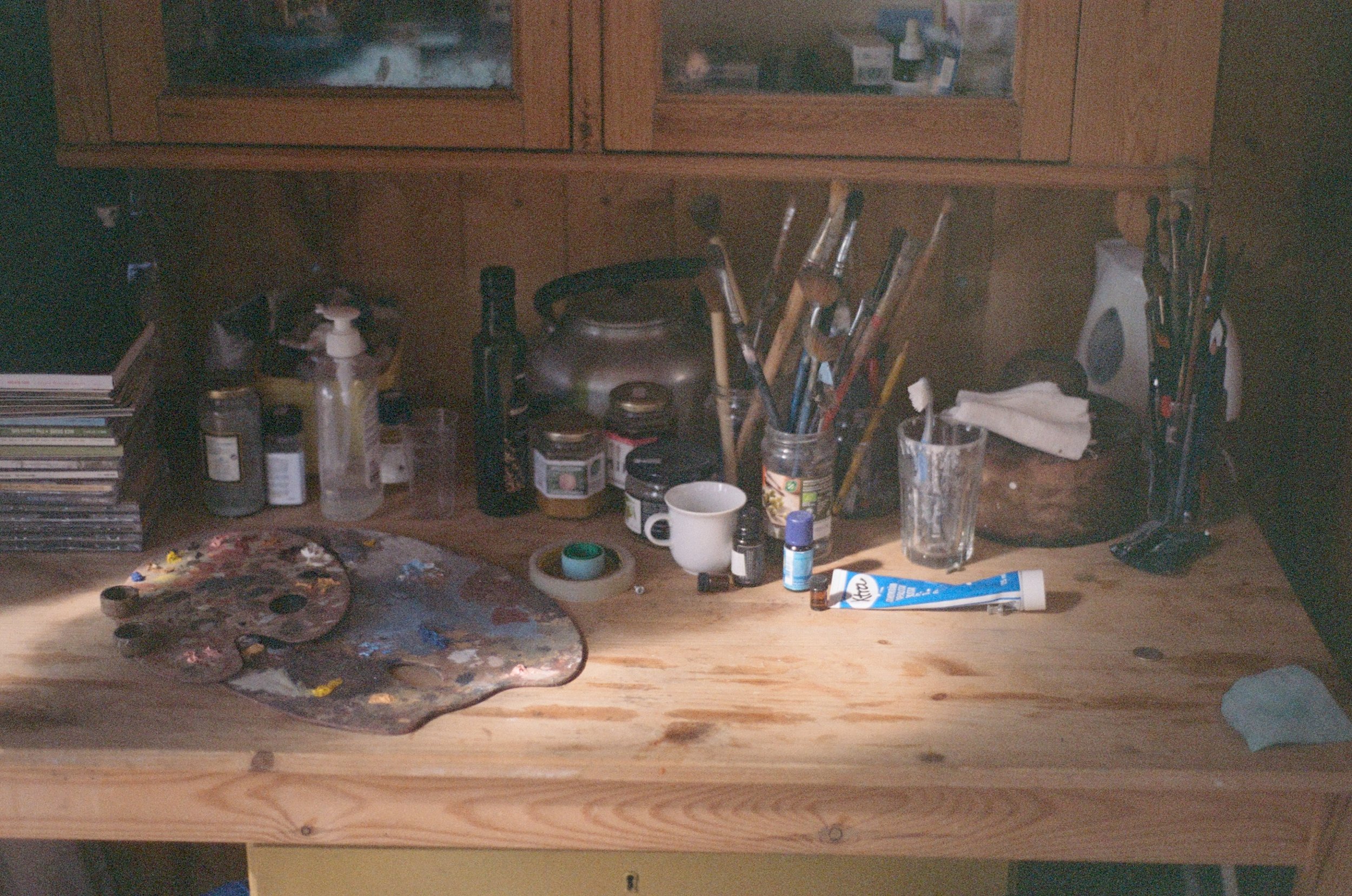
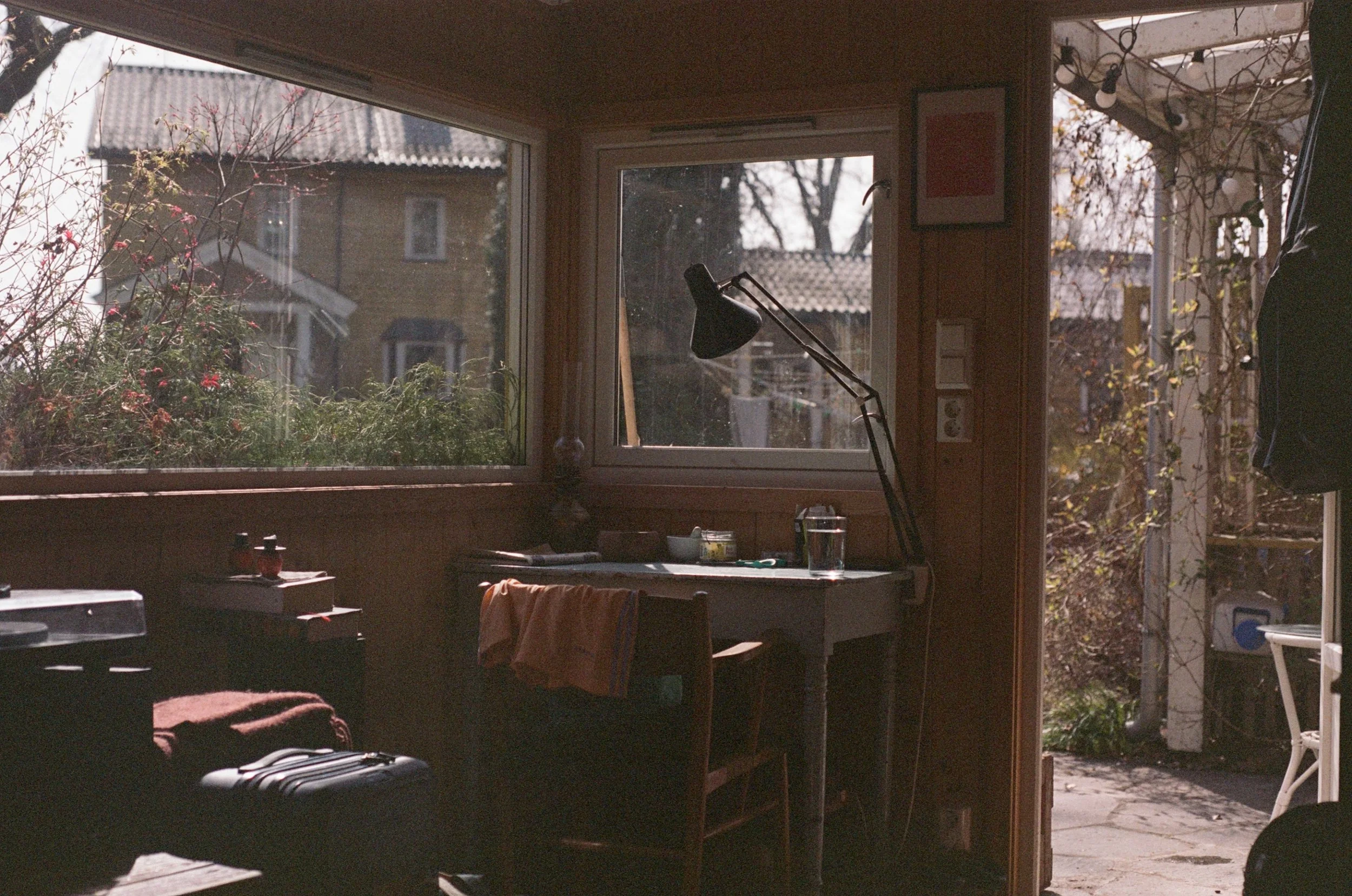
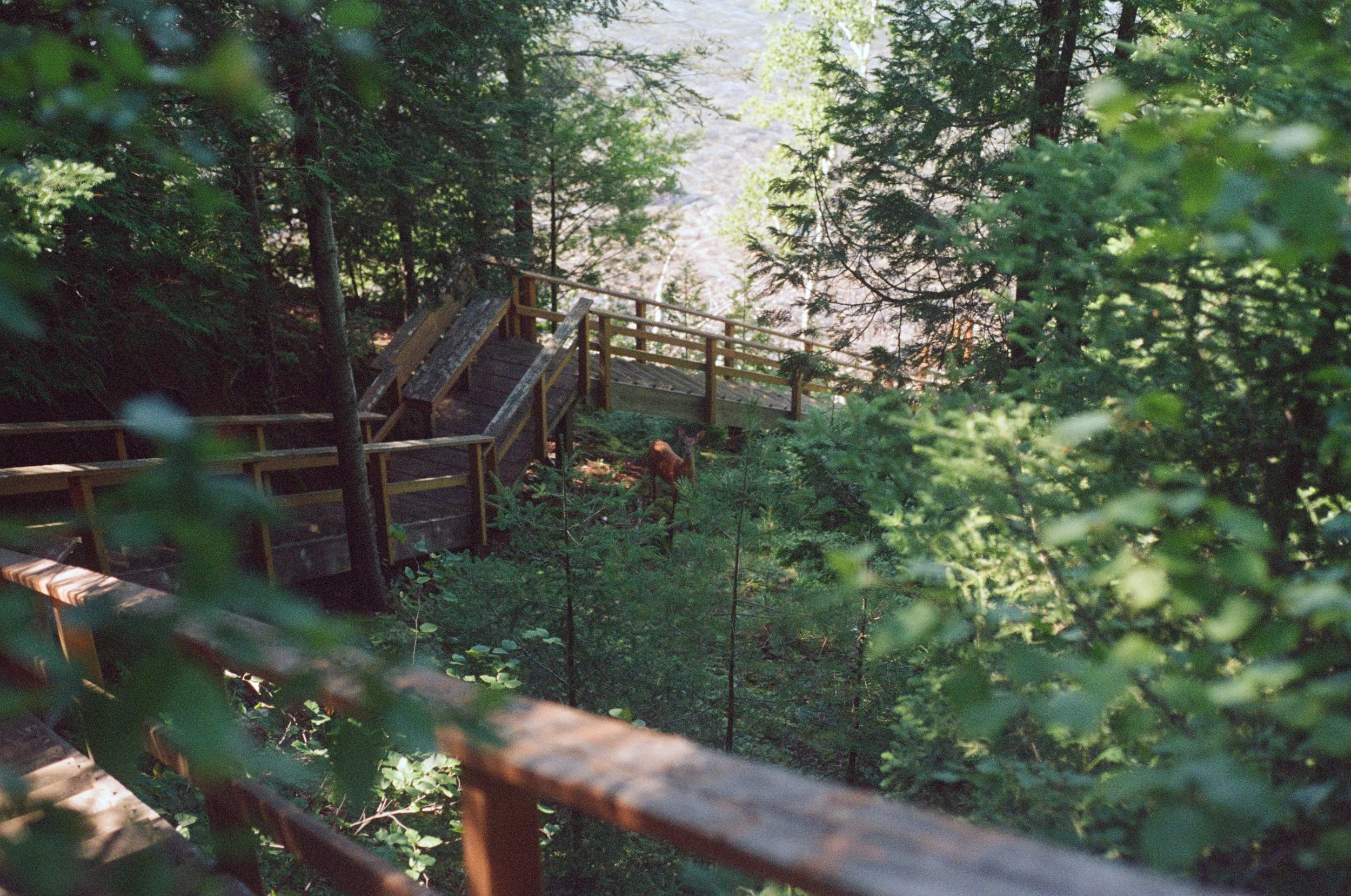
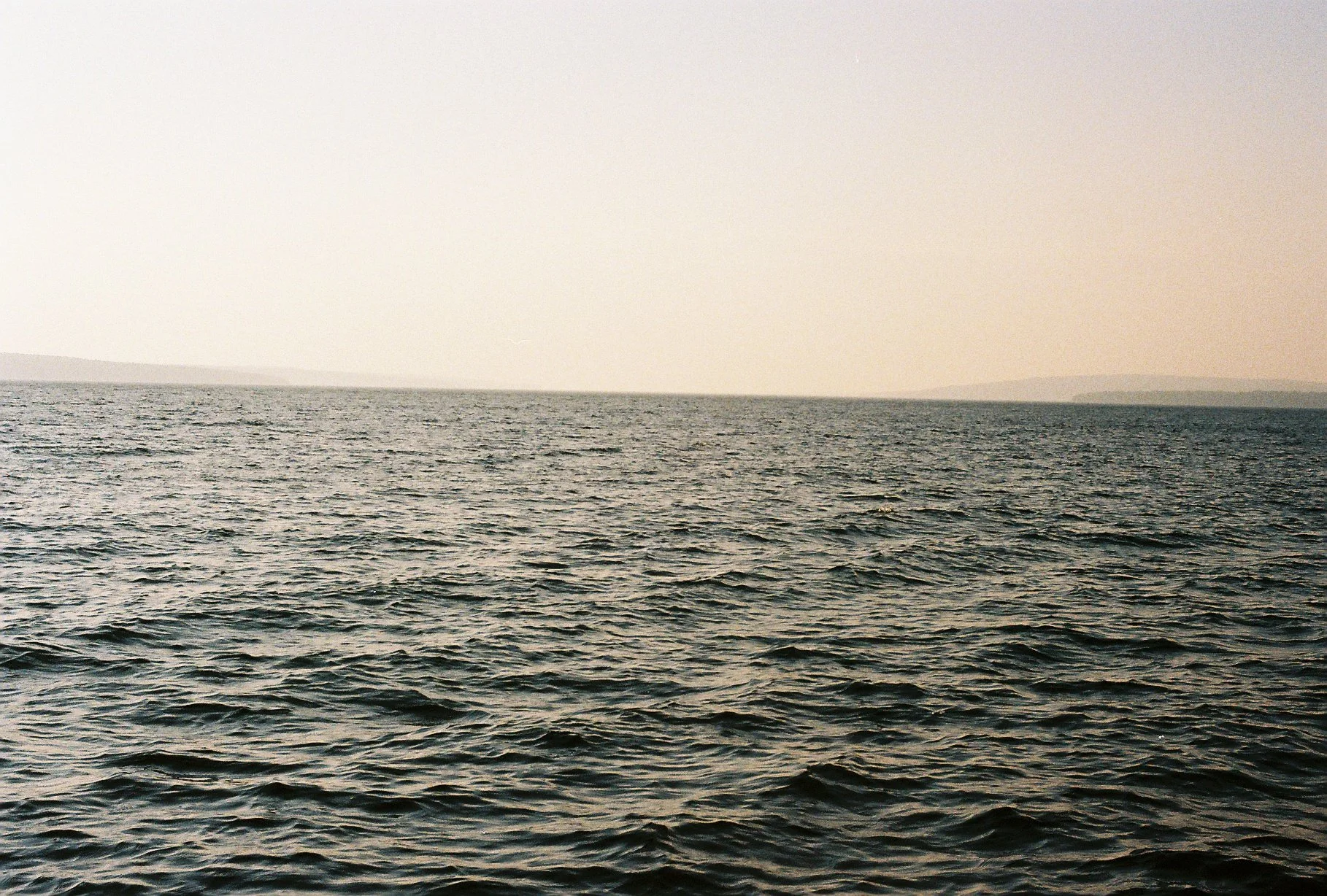
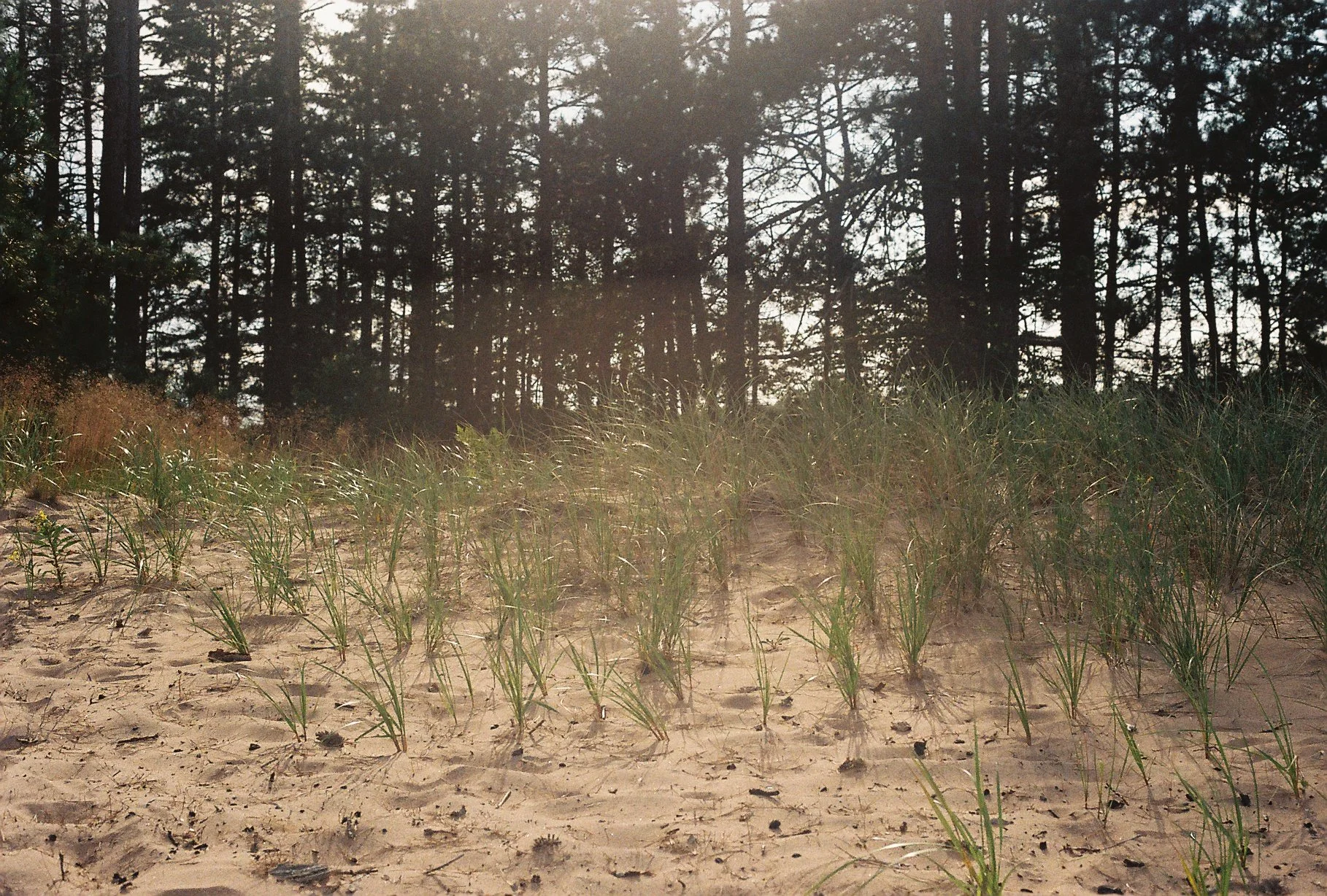
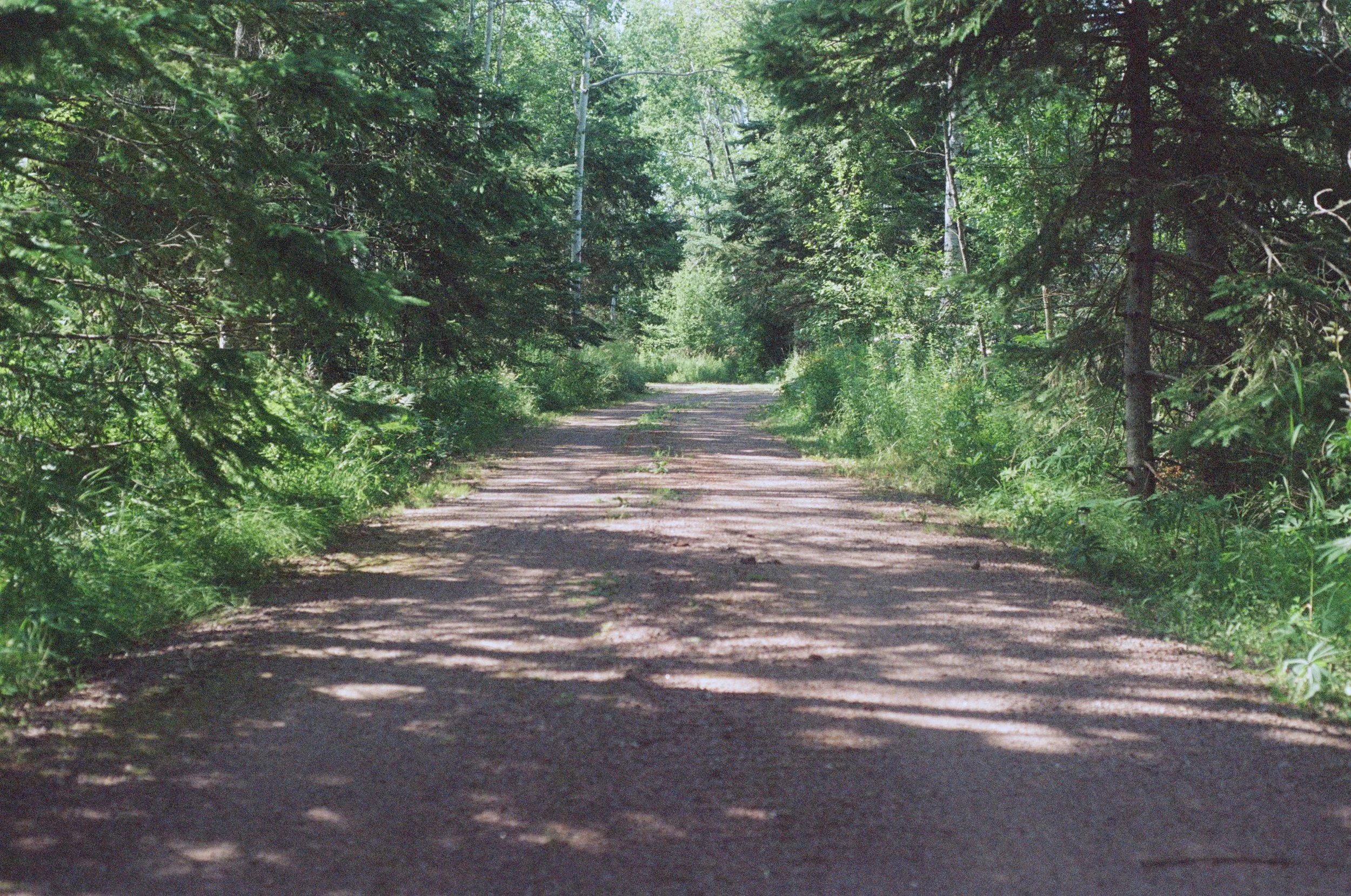
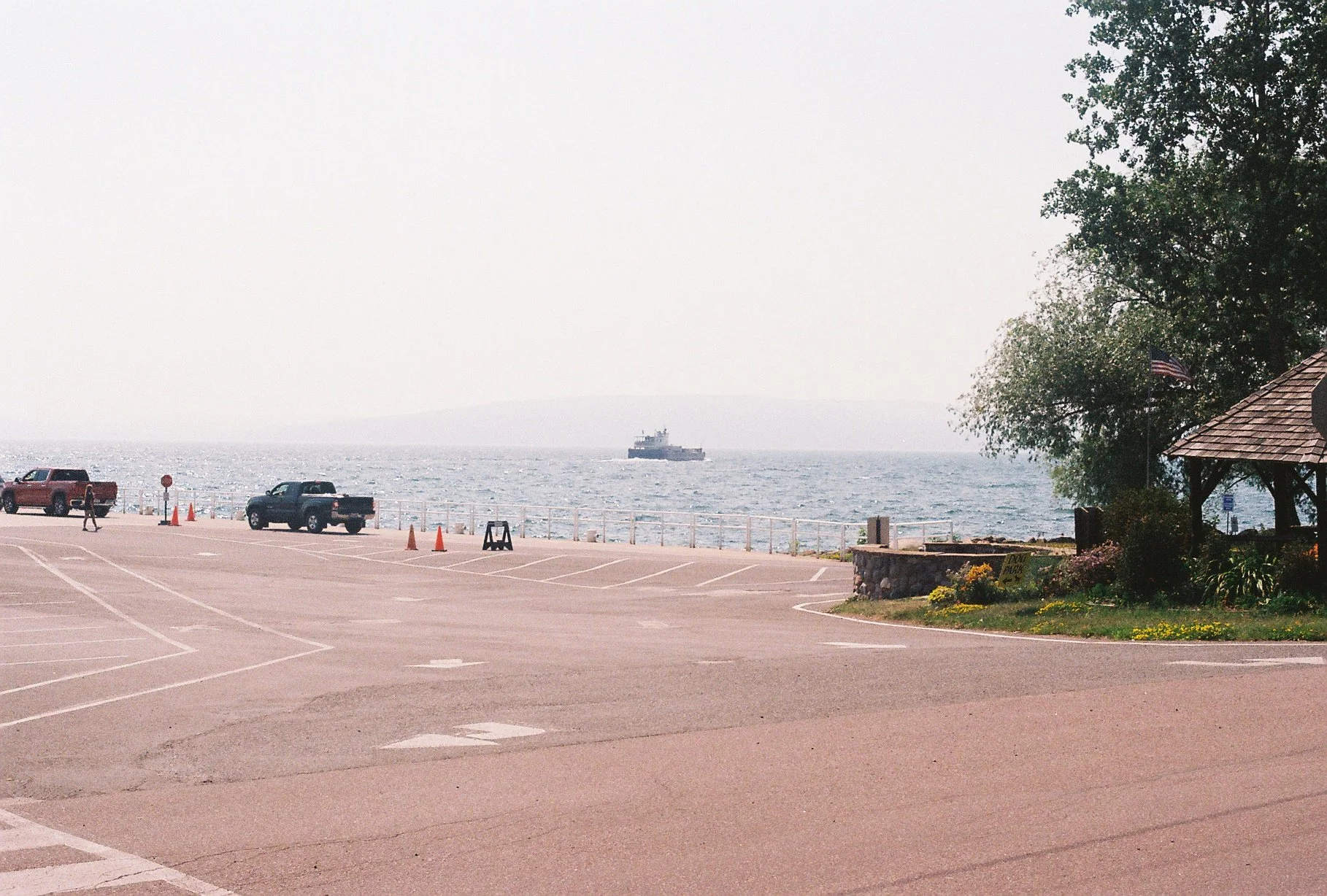
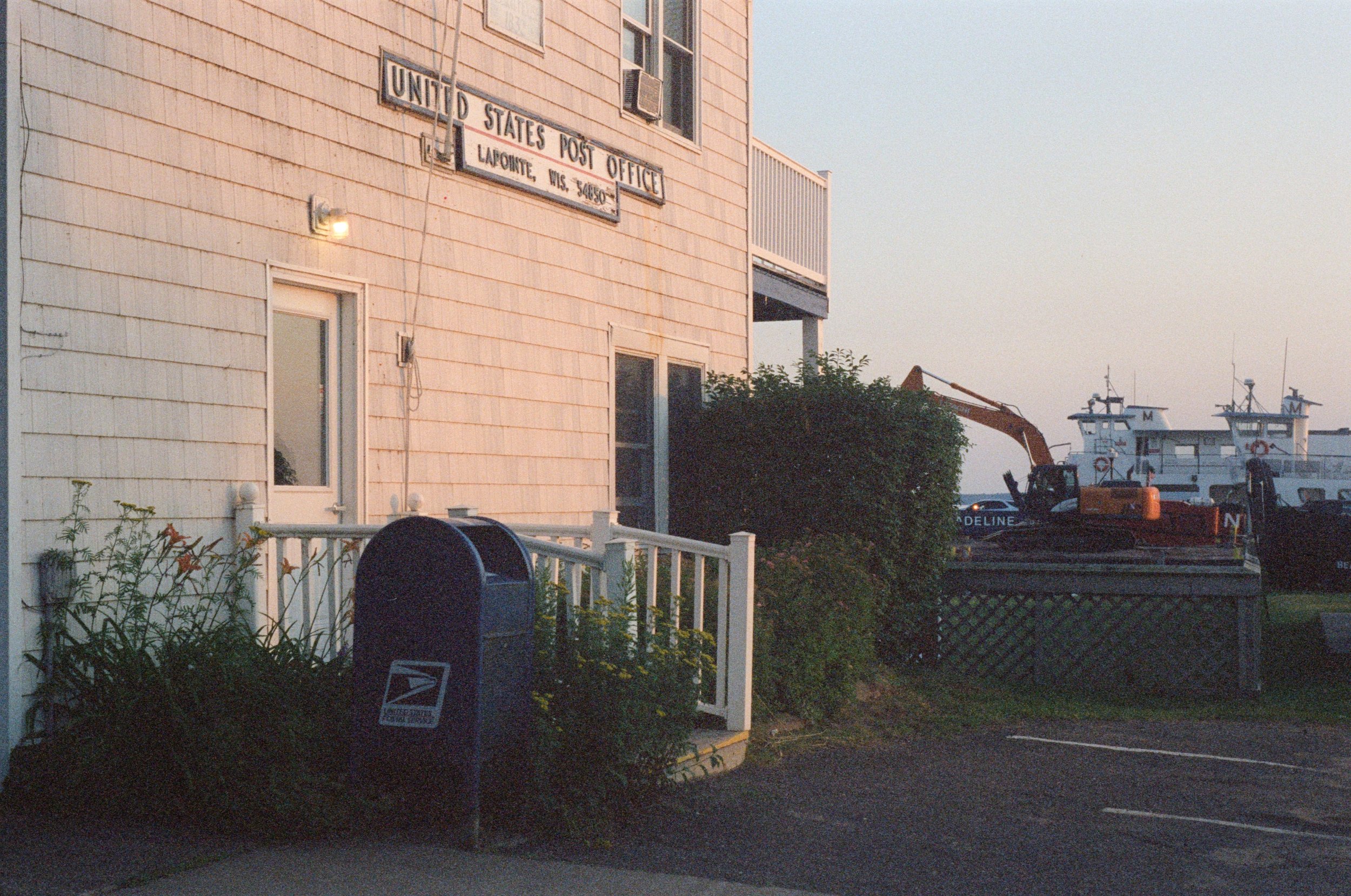
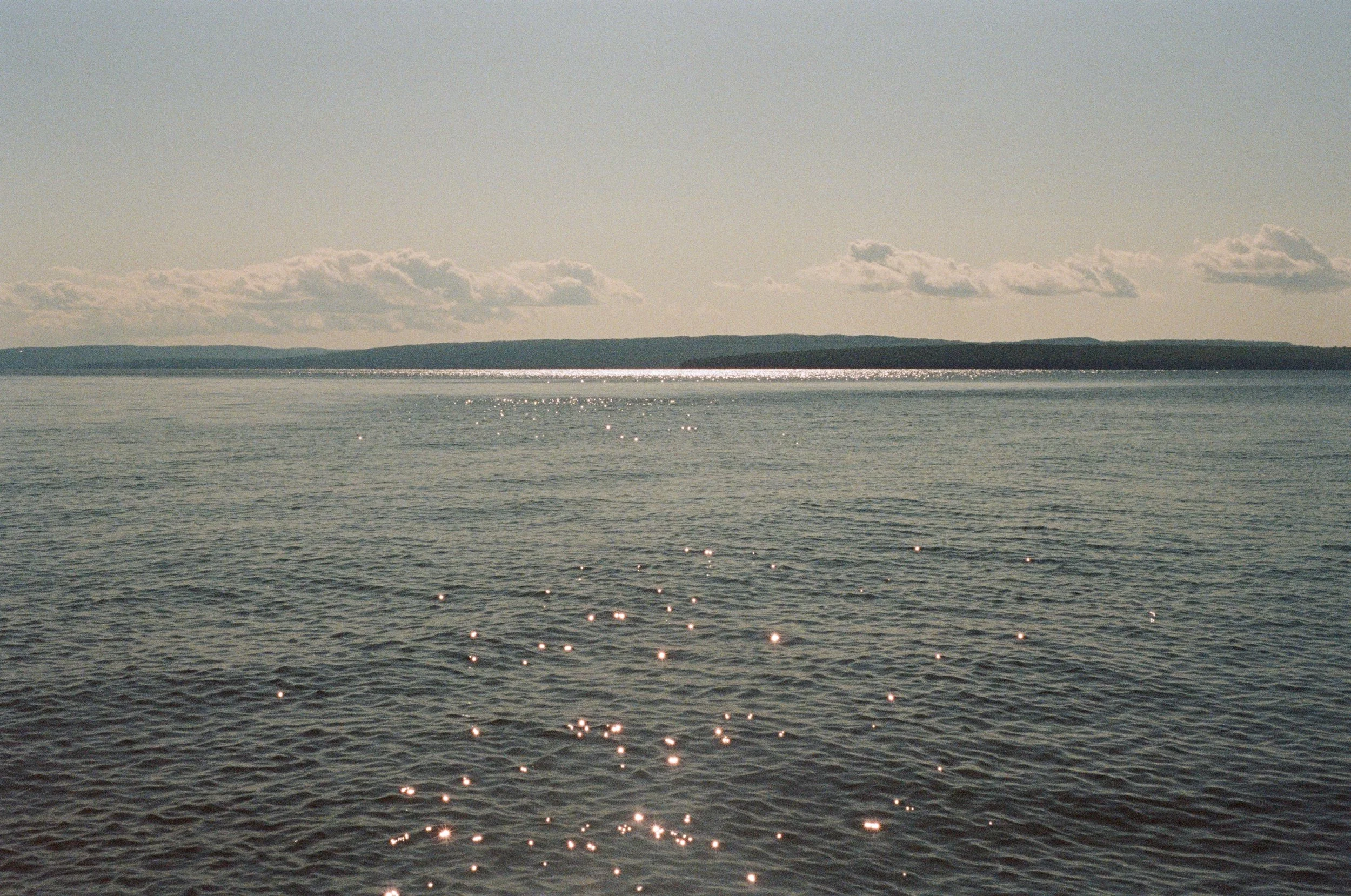
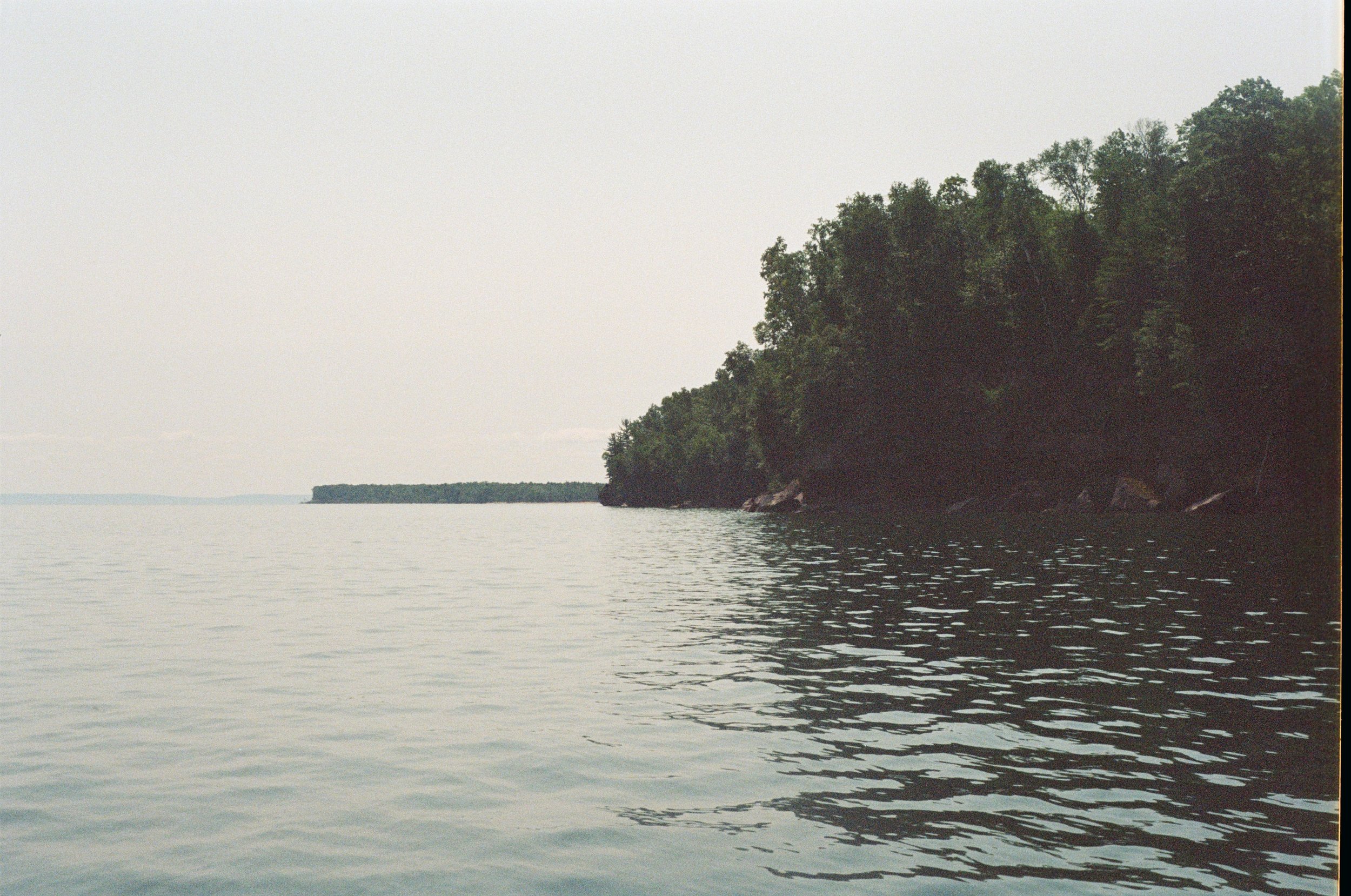
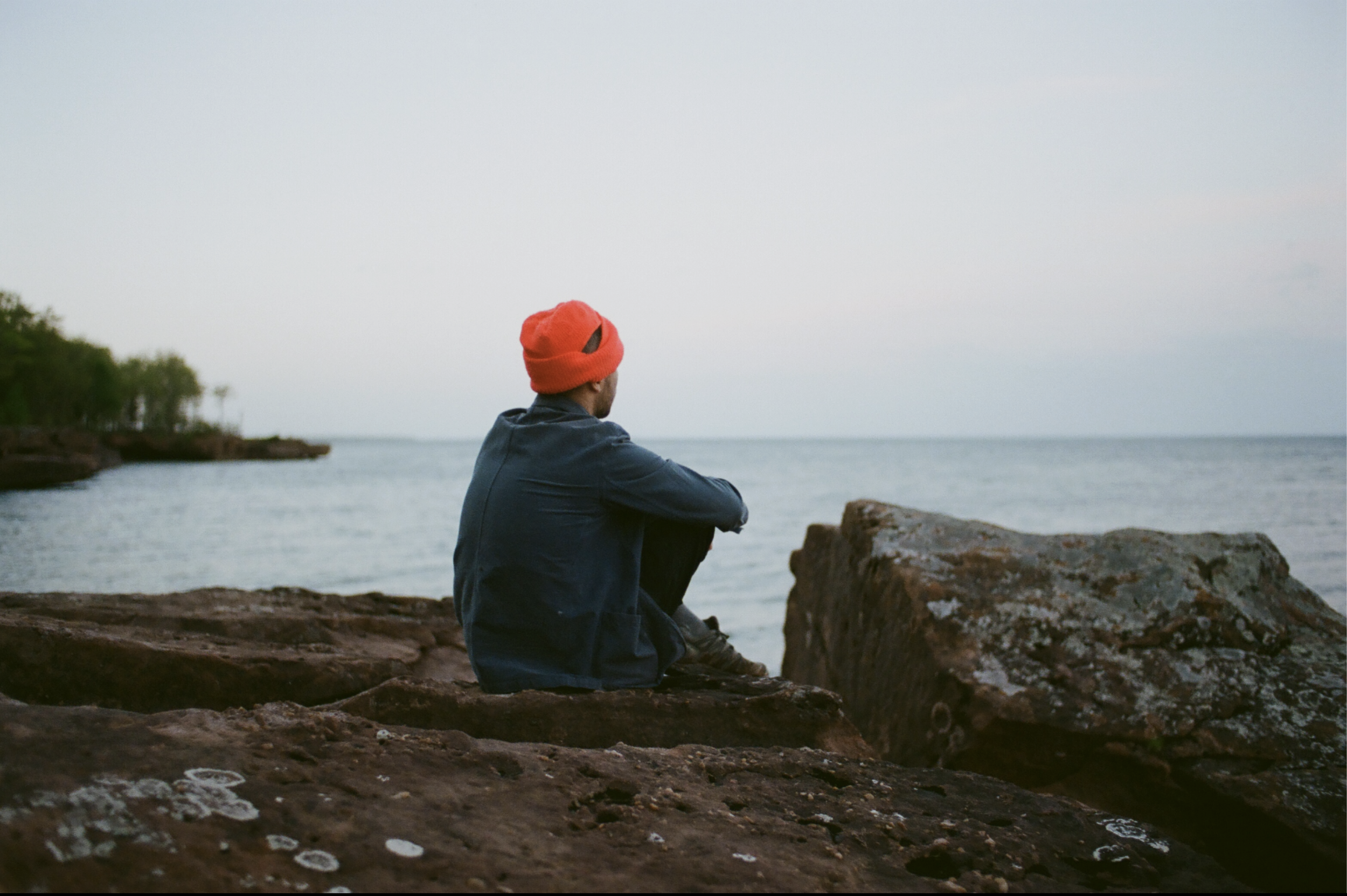
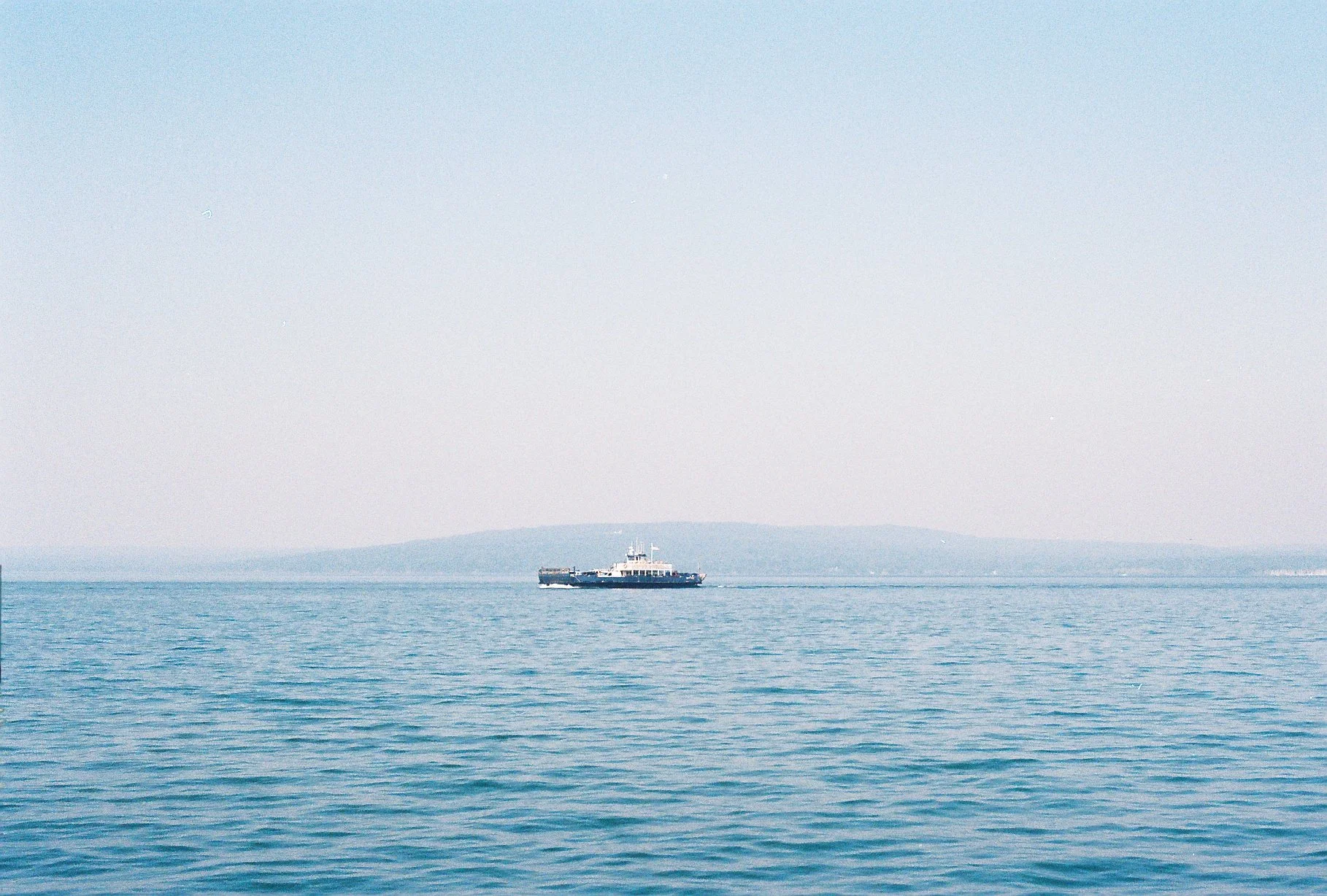
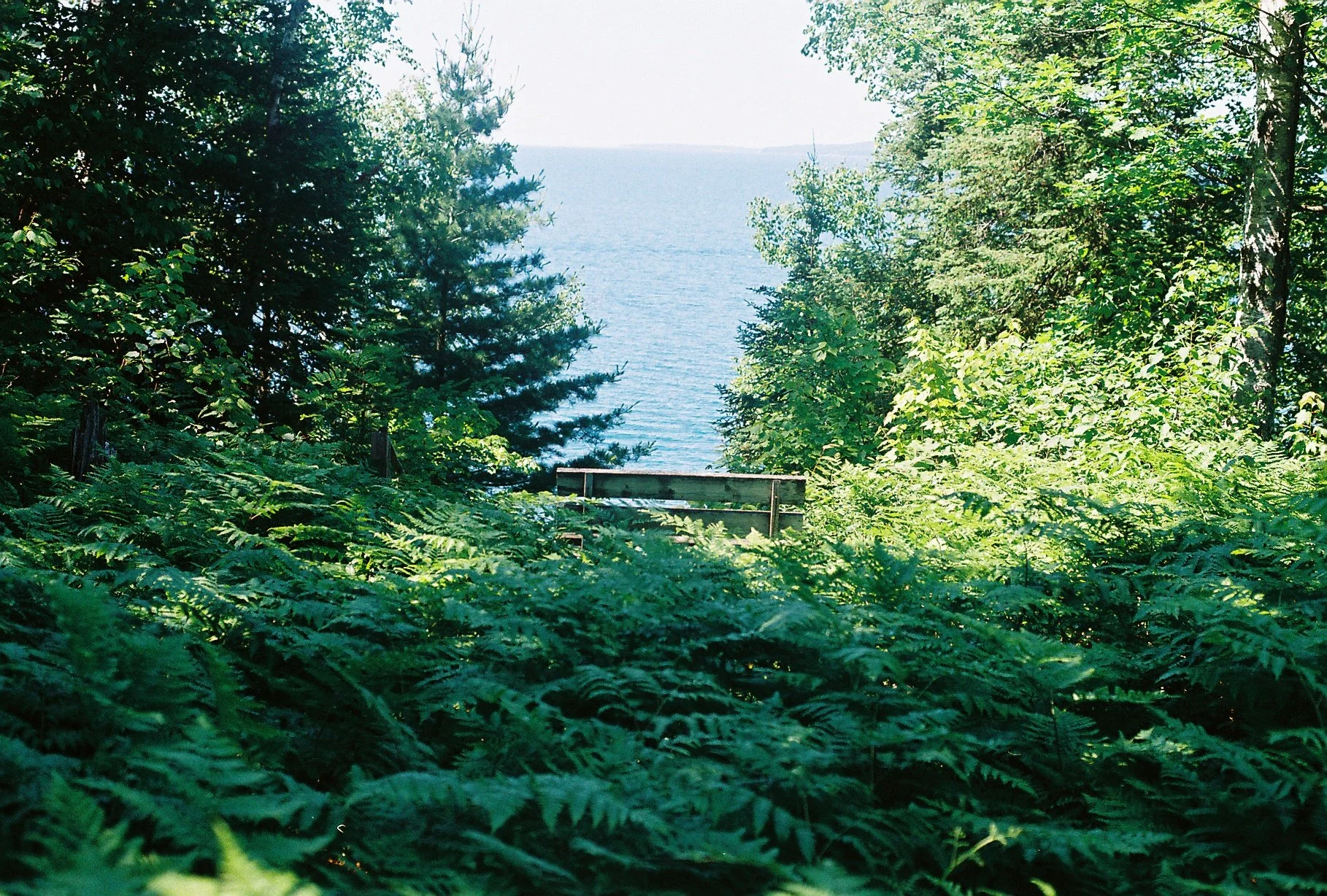
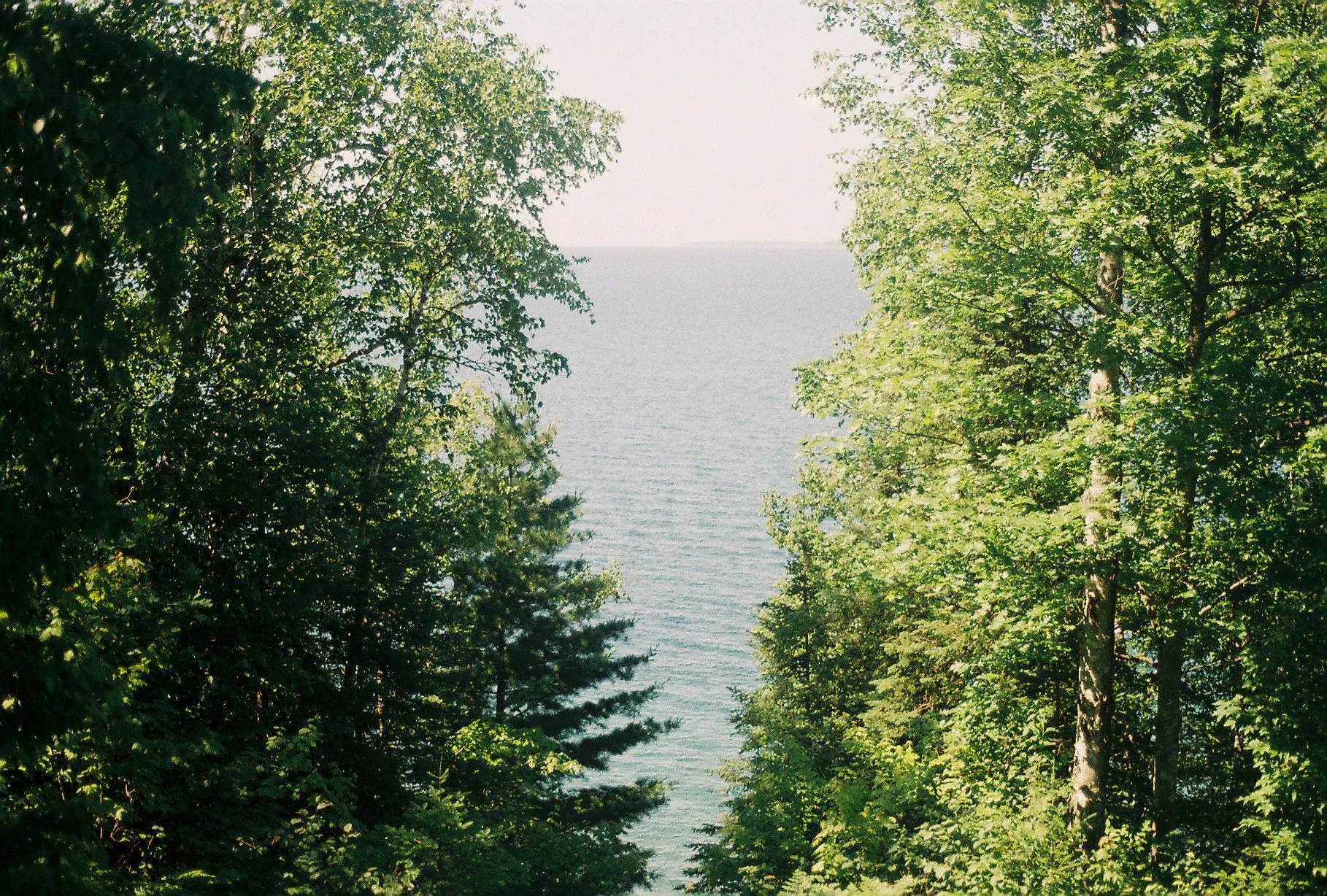
These are all photos I’ve taken on the island we will shoot. They are the beginings of using my eye to see this place in a way that can develop into a film. I’ve experimented with some different film stocks and textures to see what direction we could take things. But what is important is how the natural world, when framed just so, when the light is captured in a way, has it’s own sense of magic that draws you in.
DANCE COMPANY
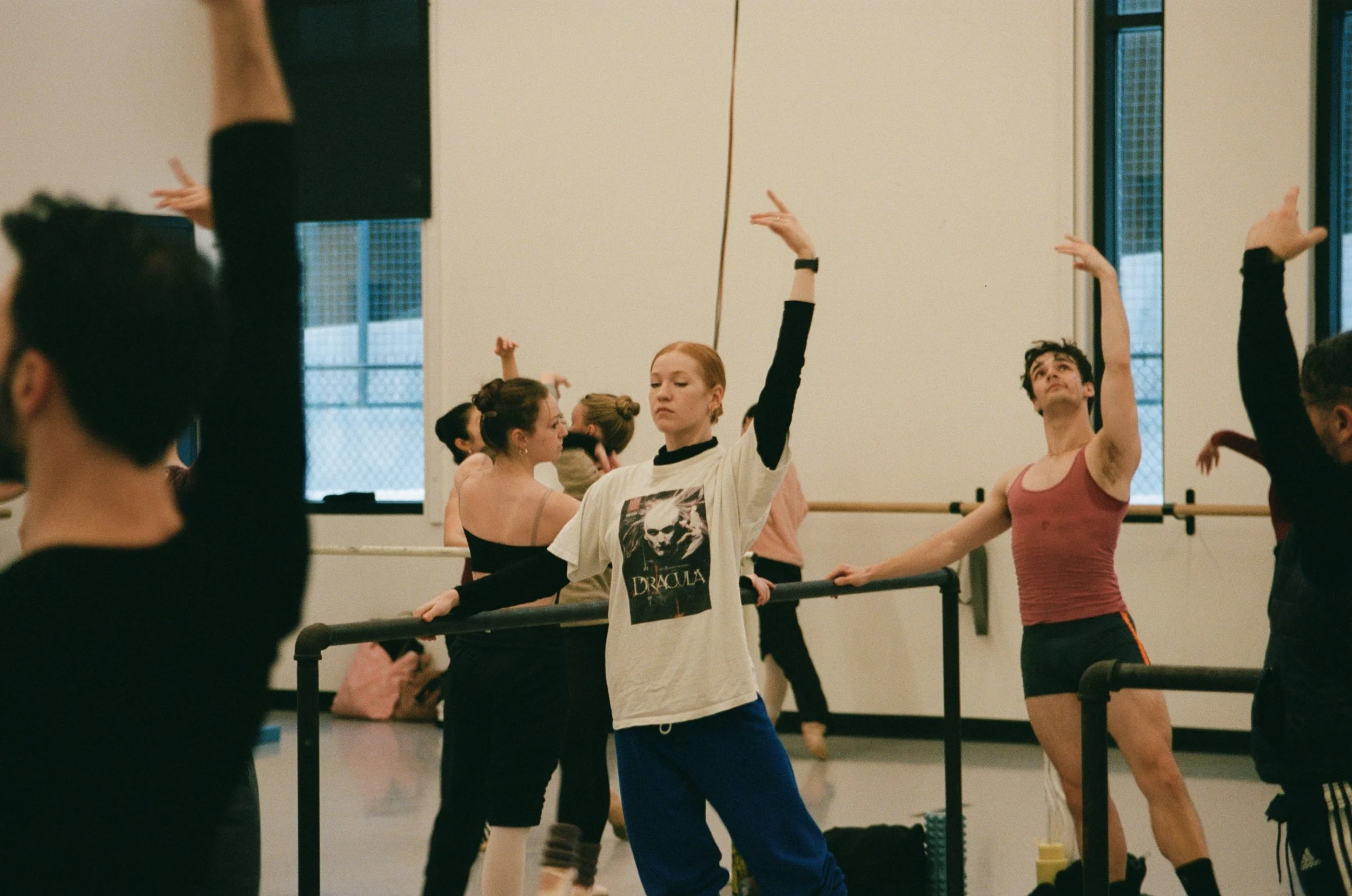
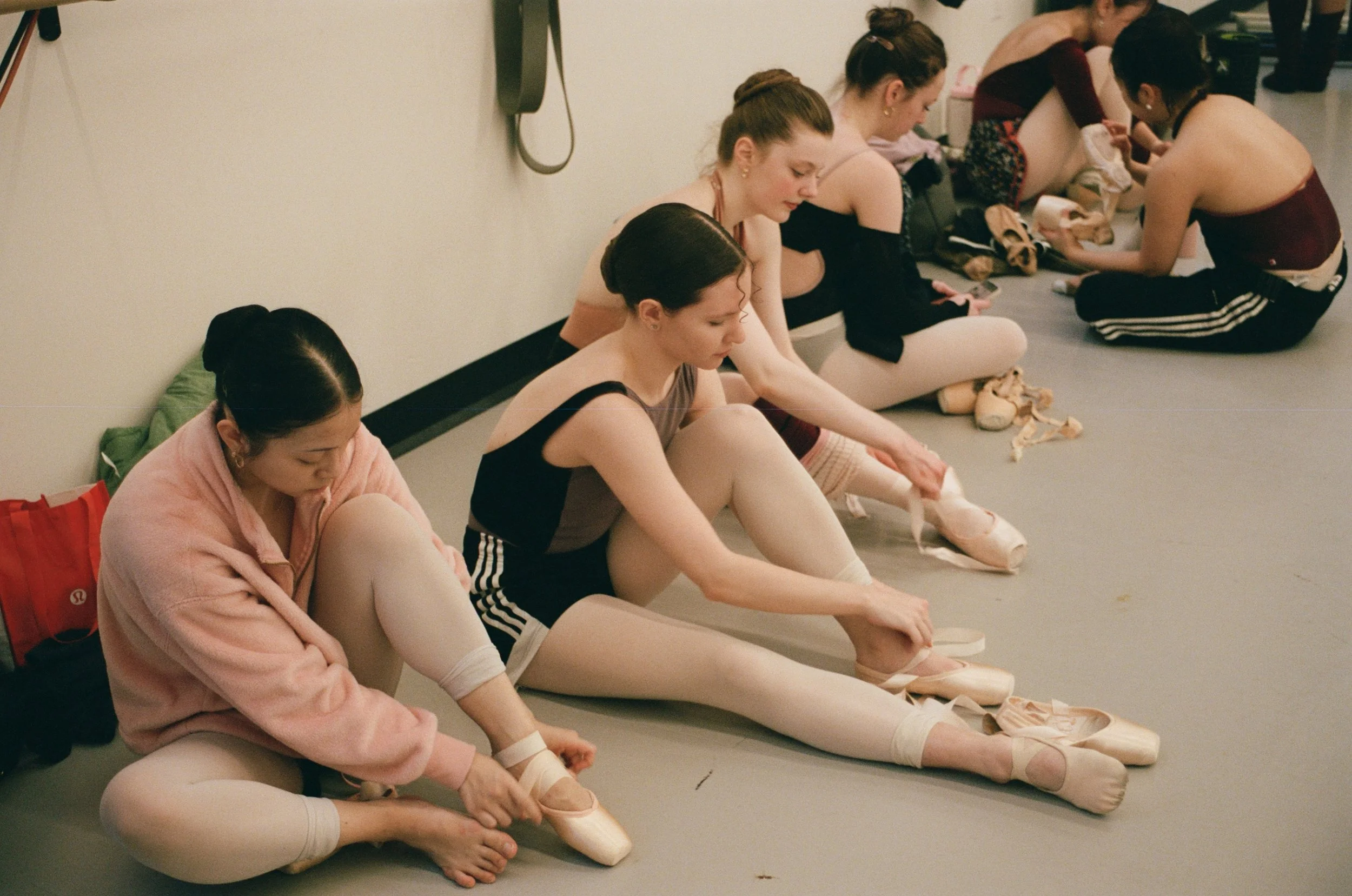
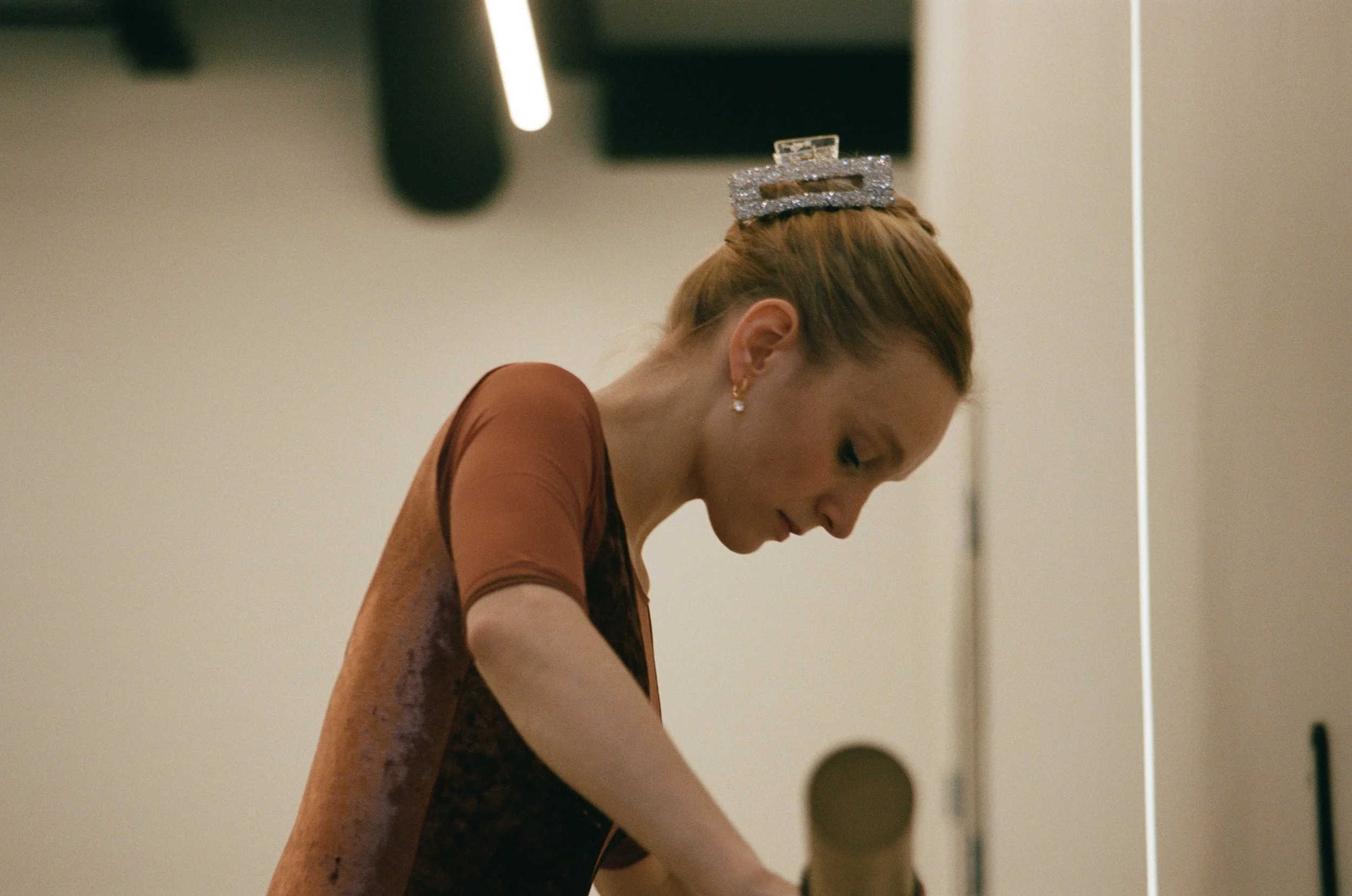
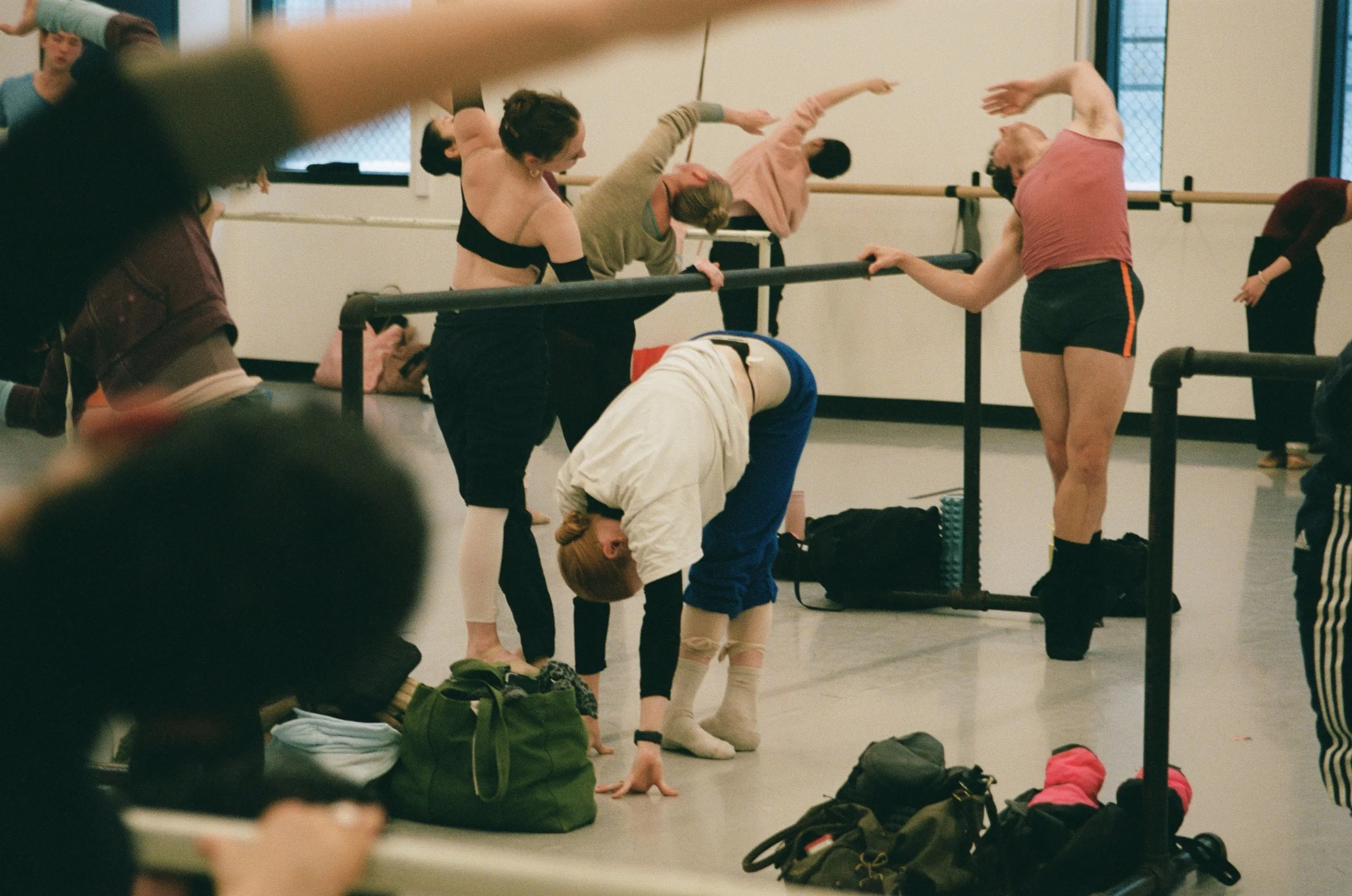
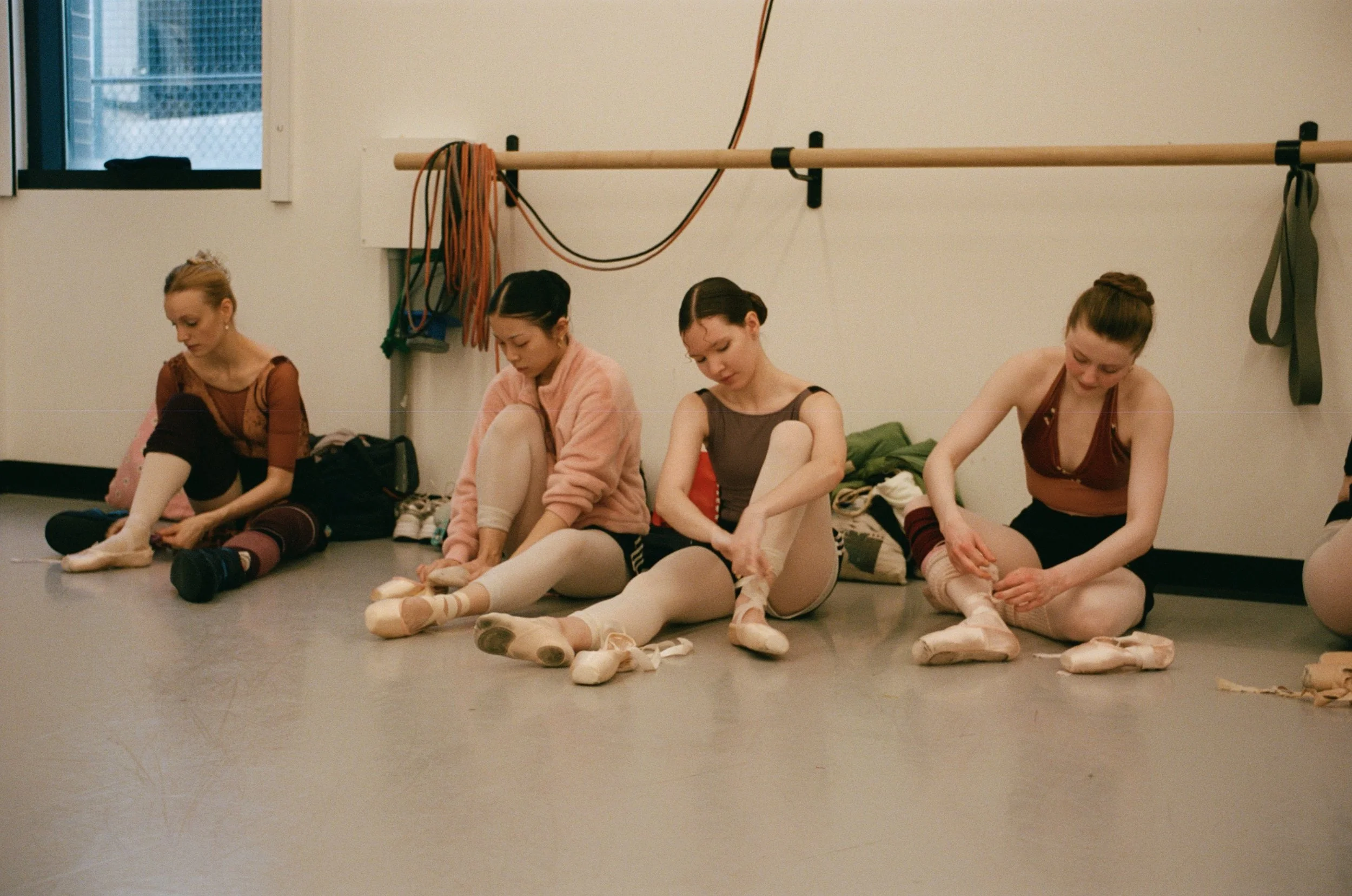
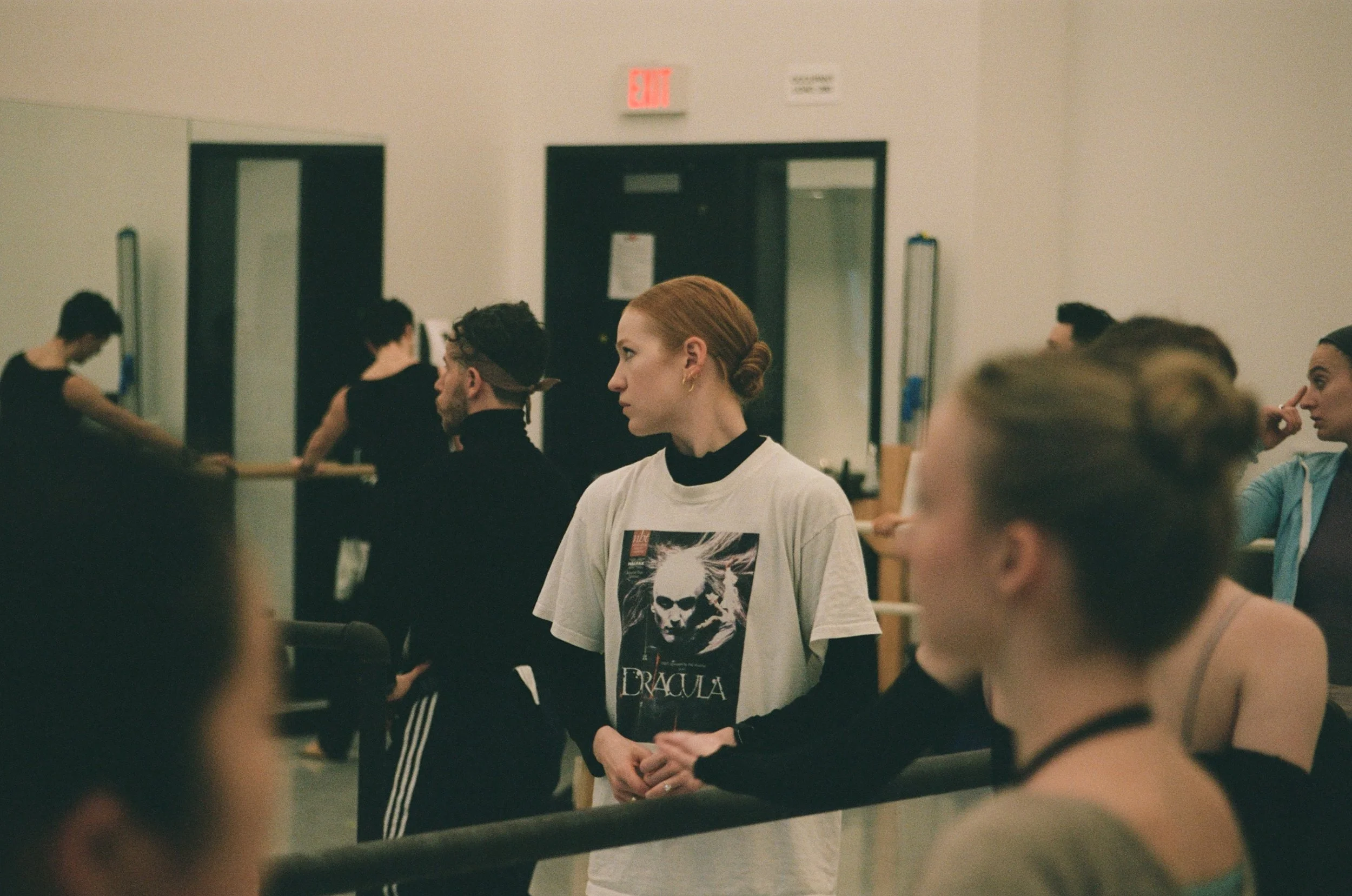
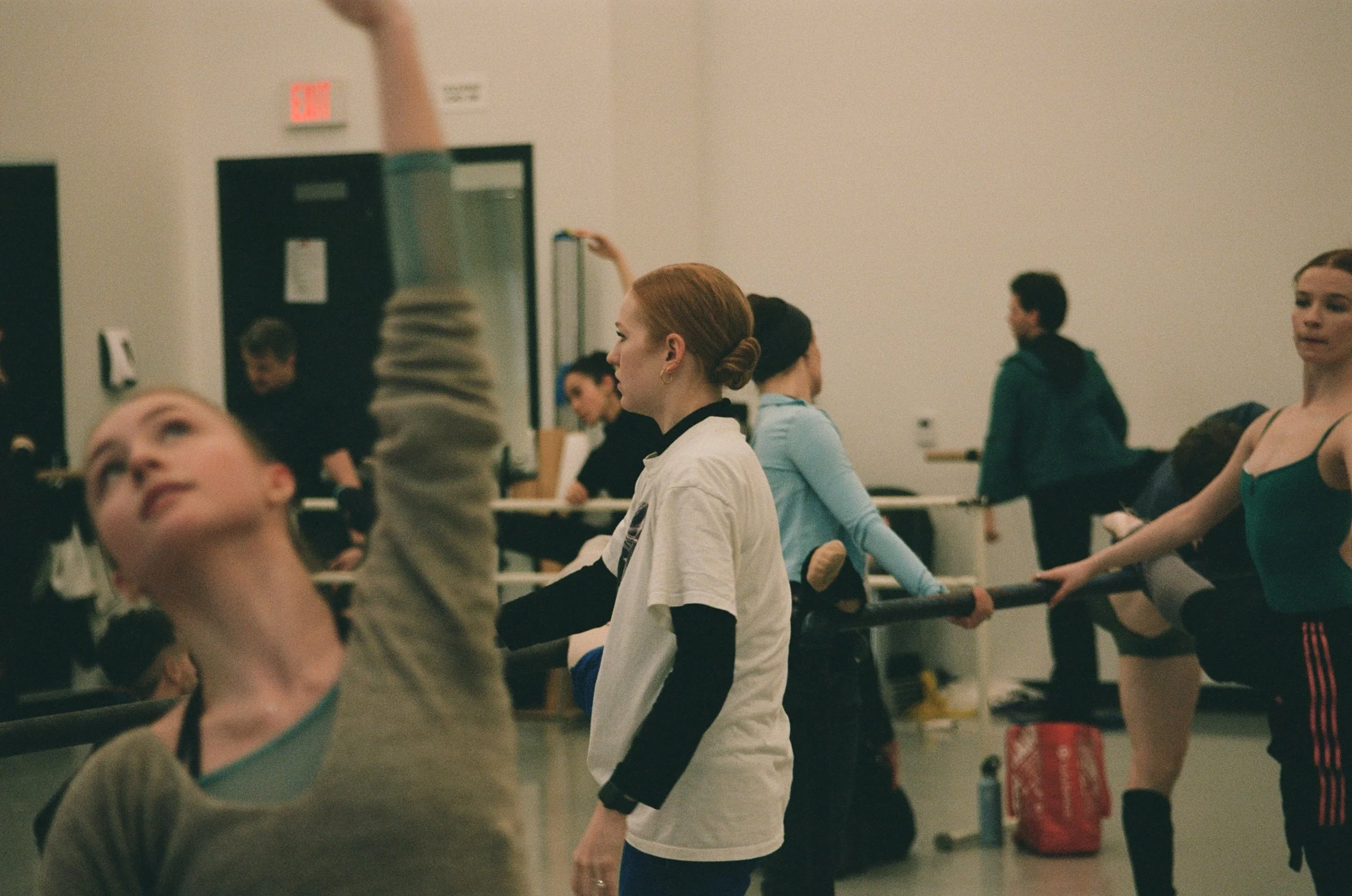
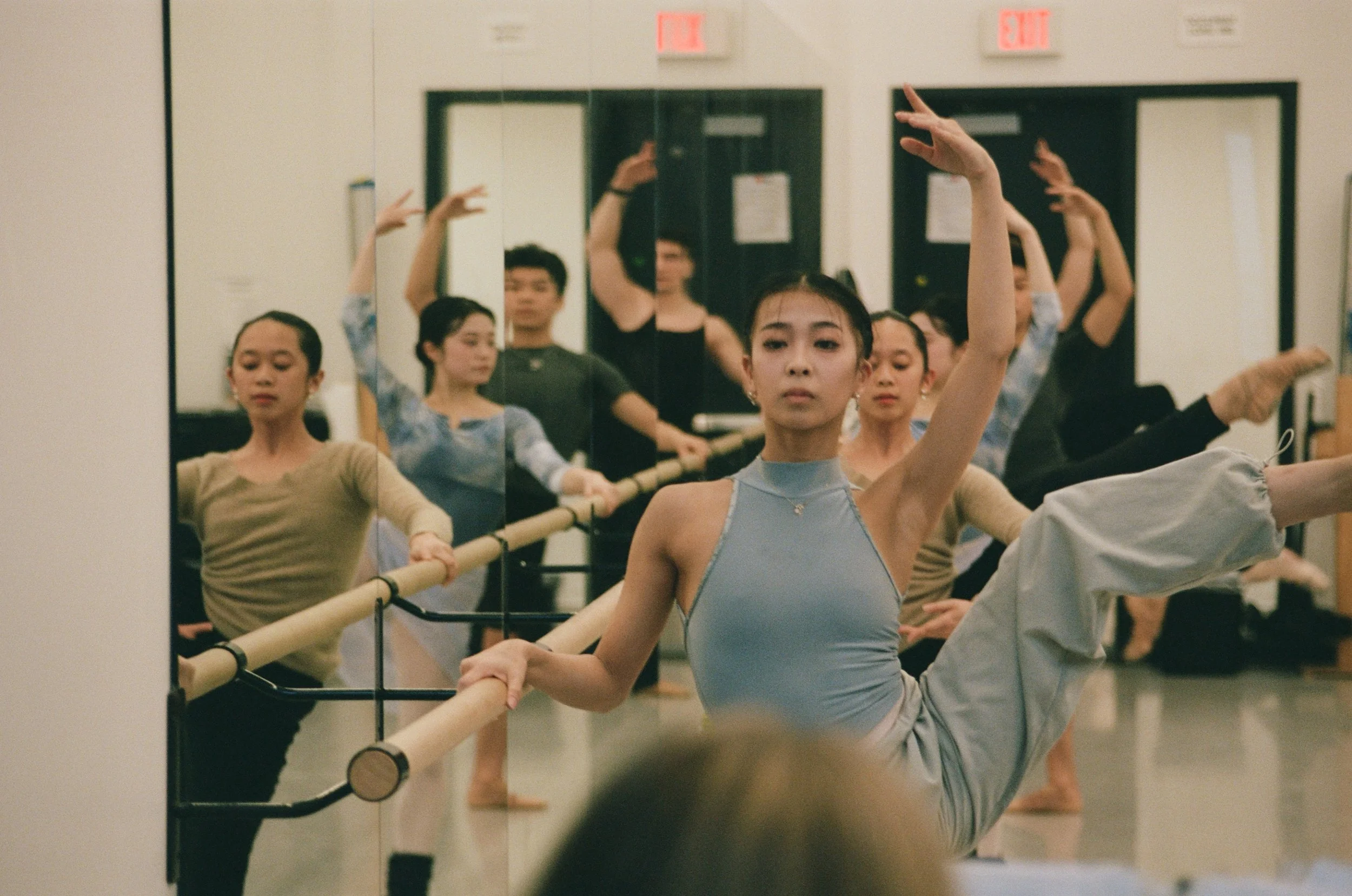
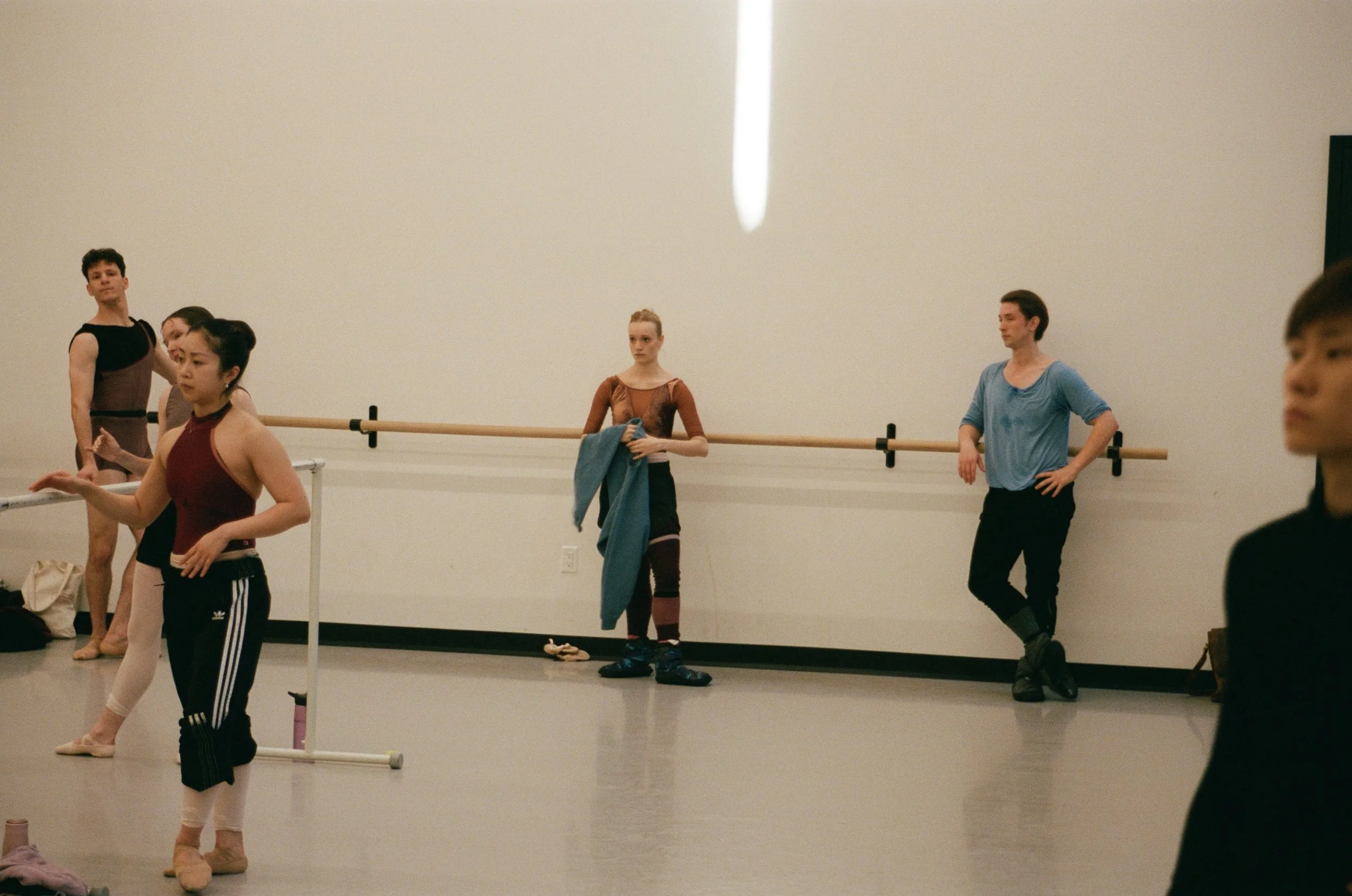
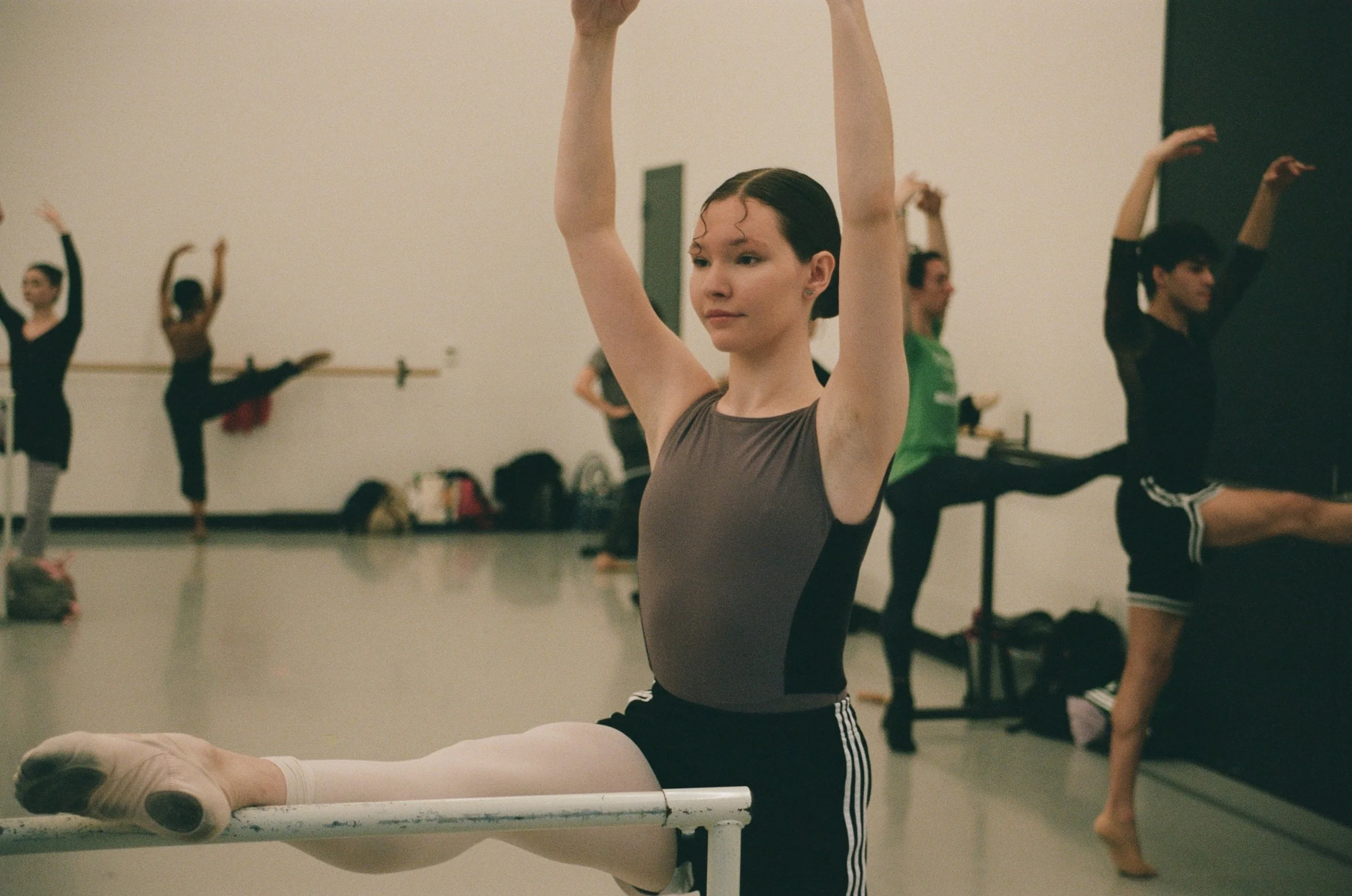
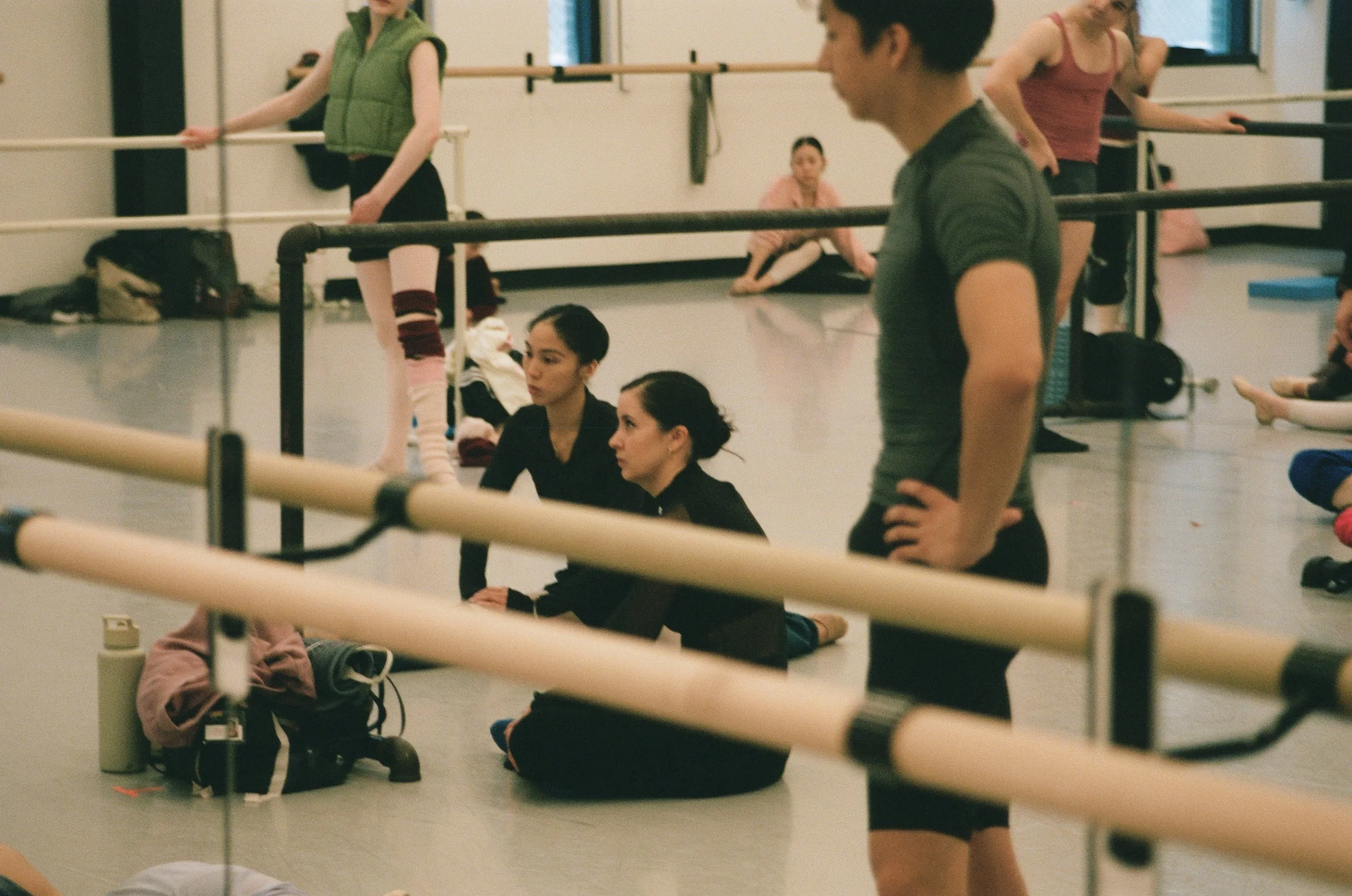
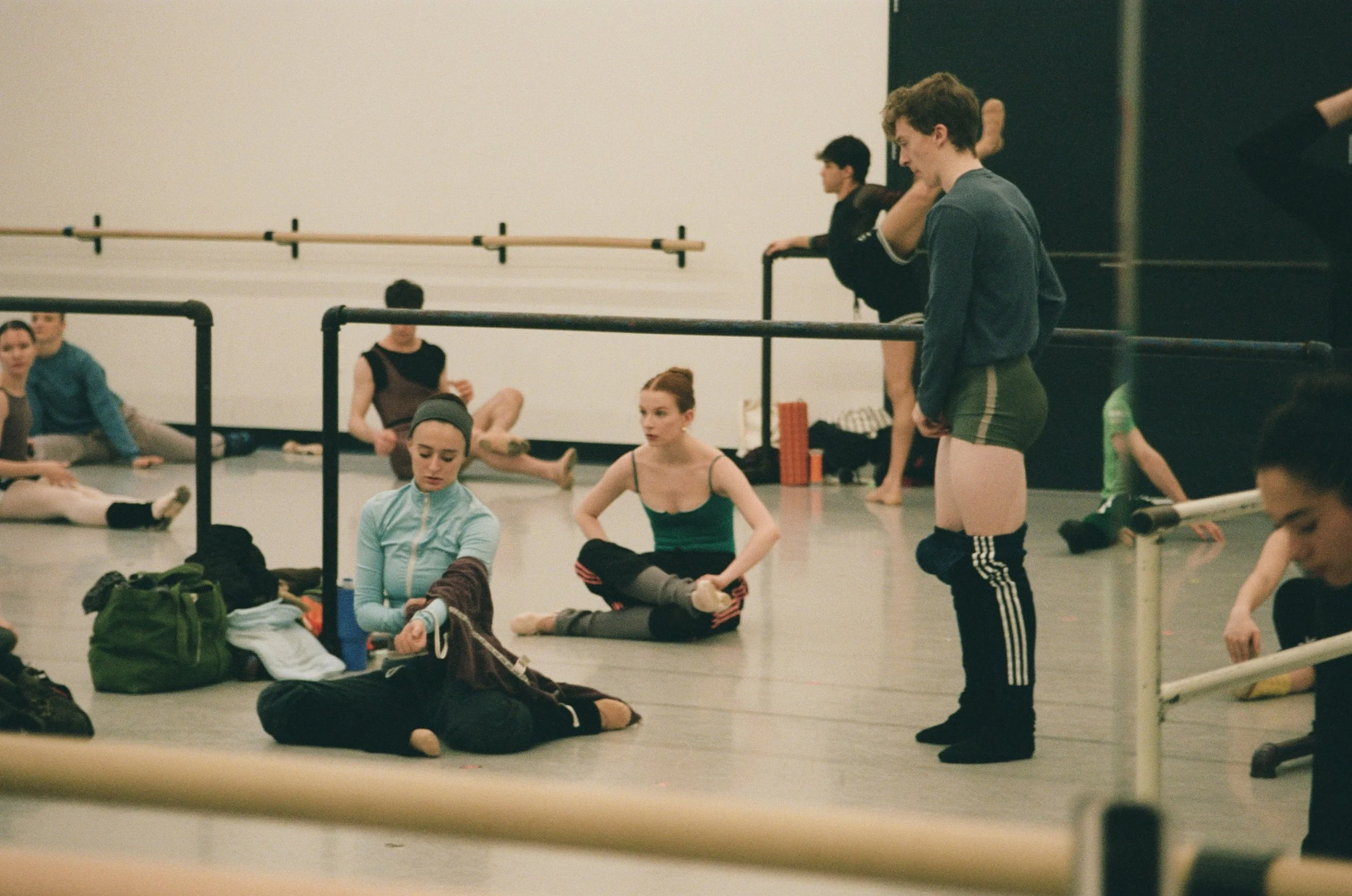
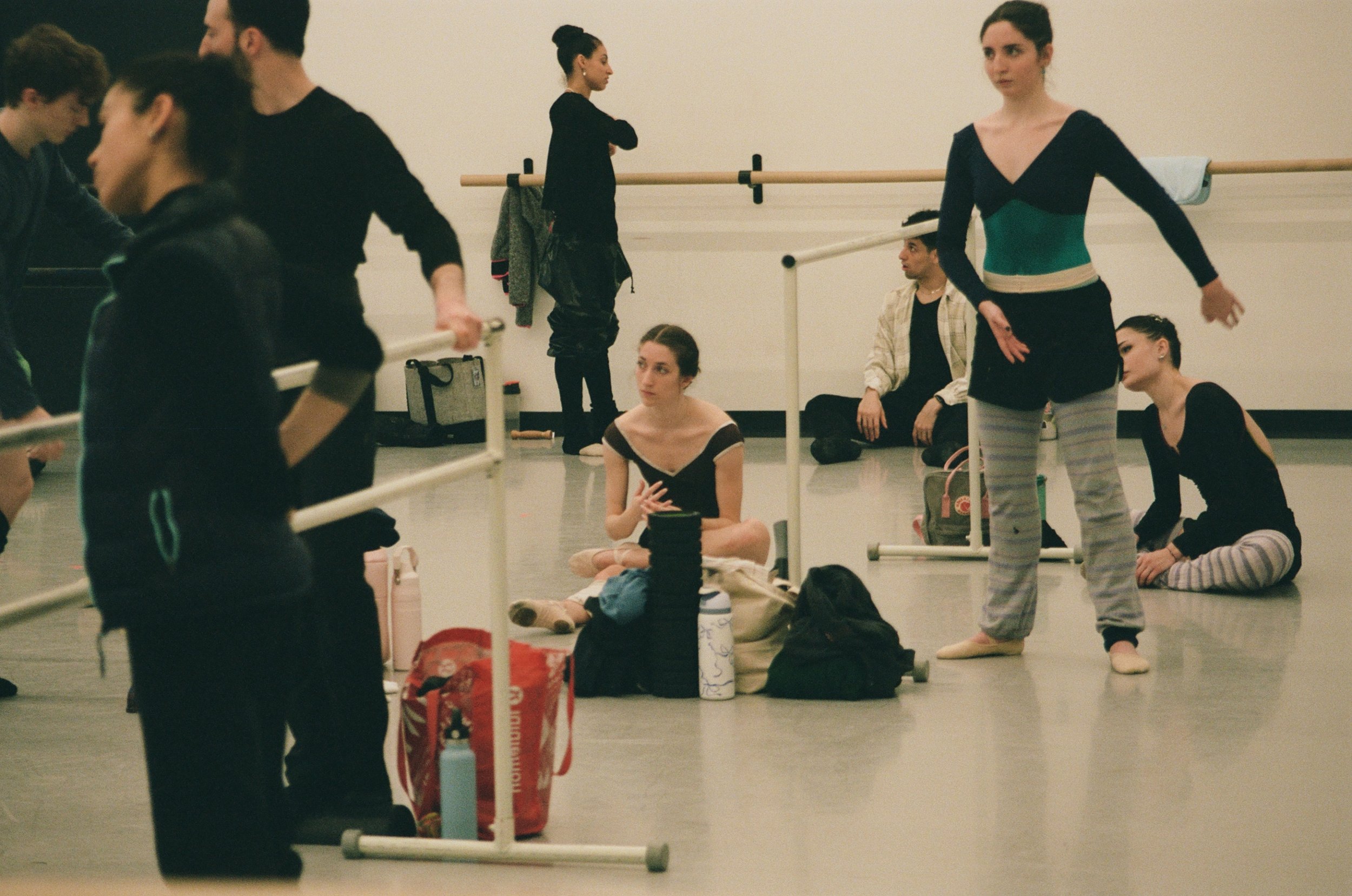
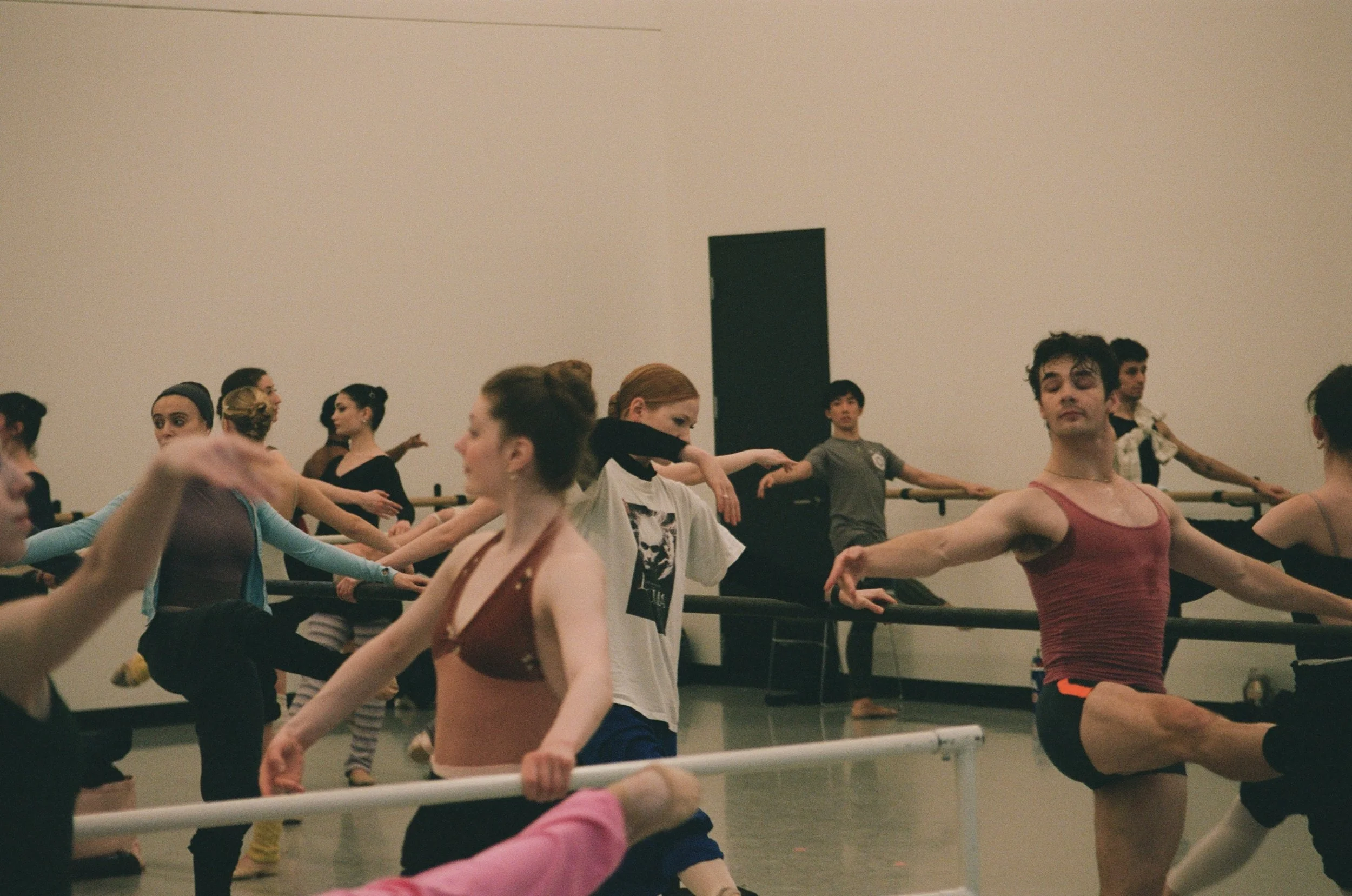
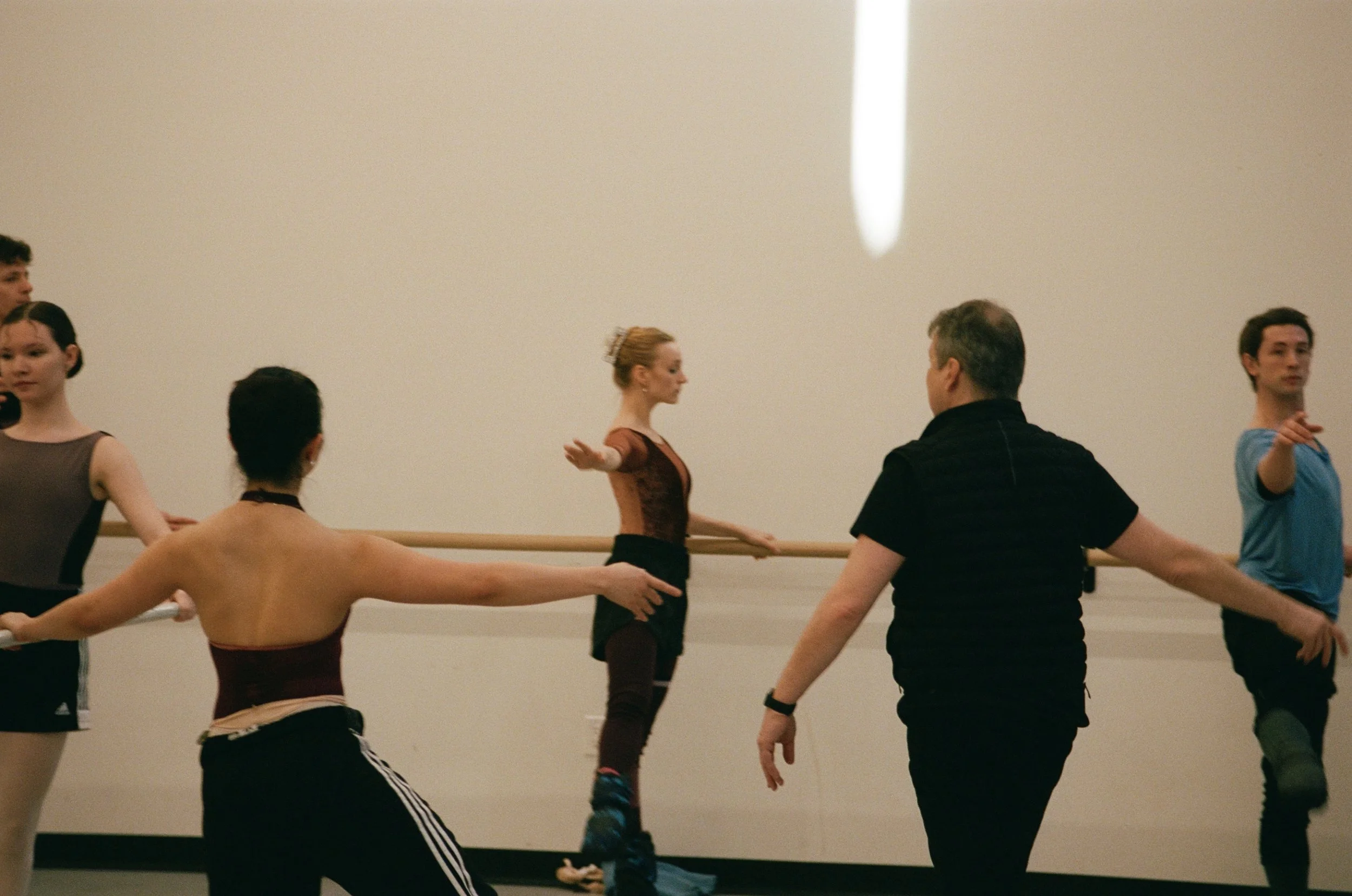
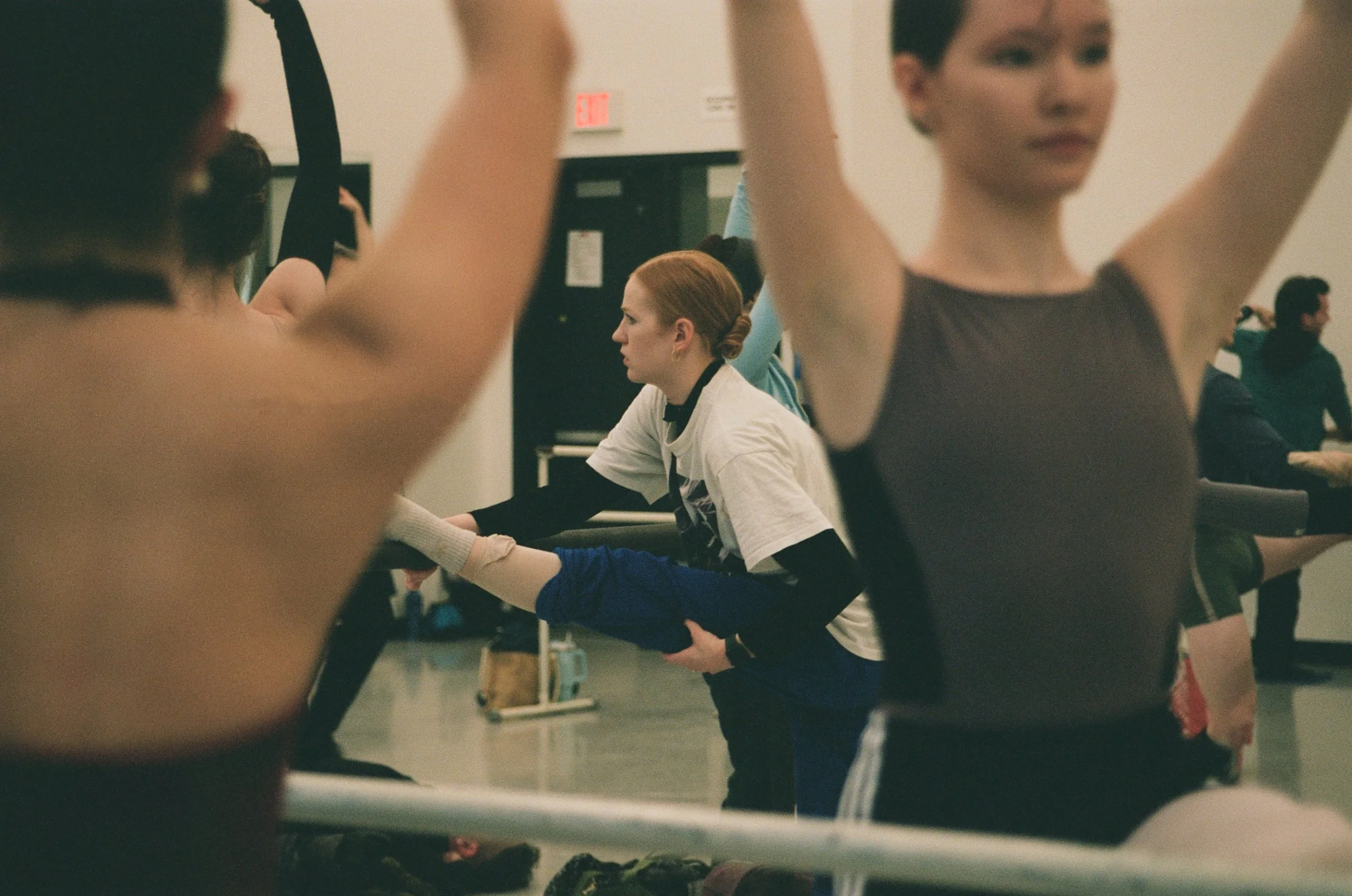
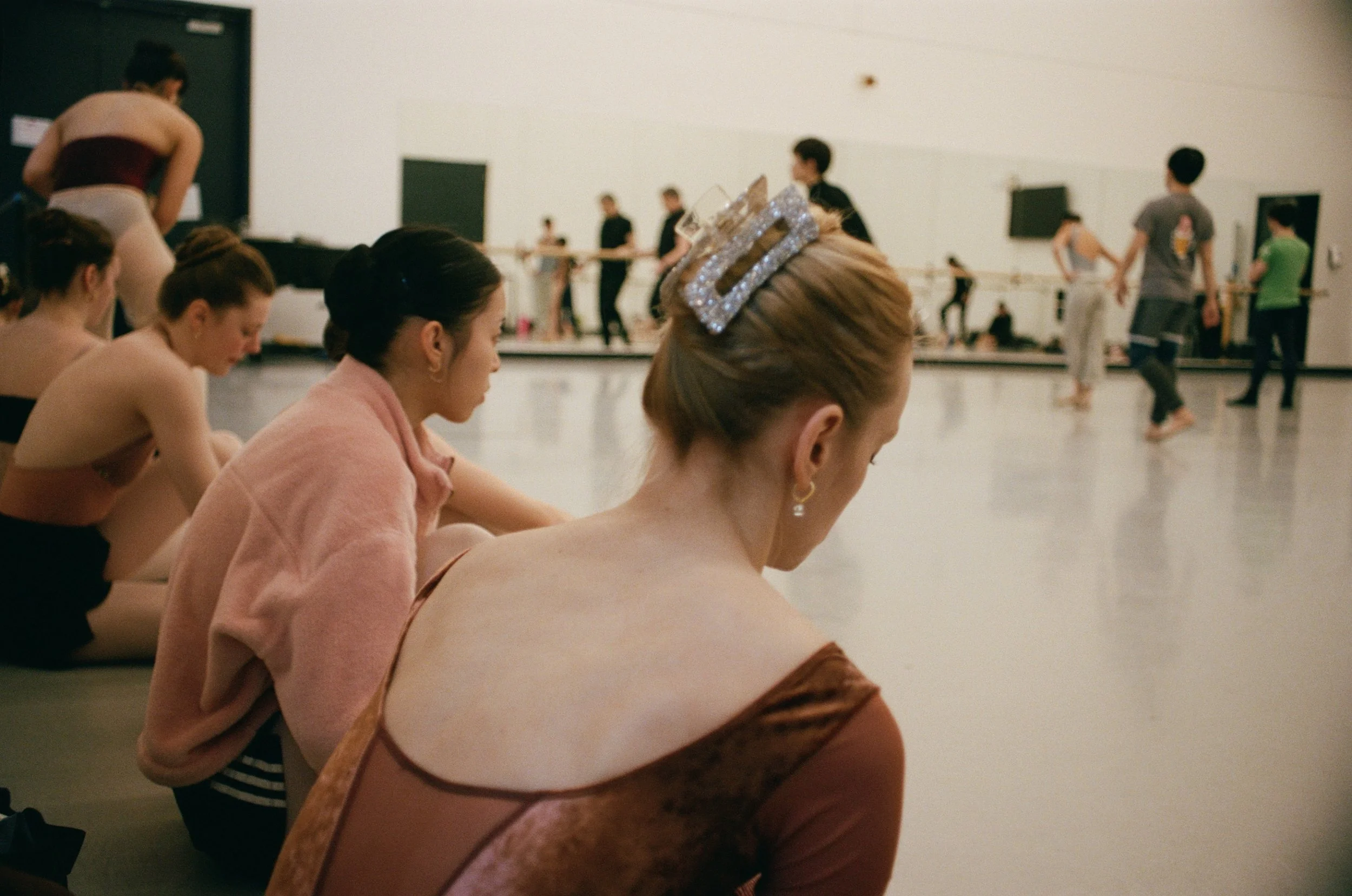
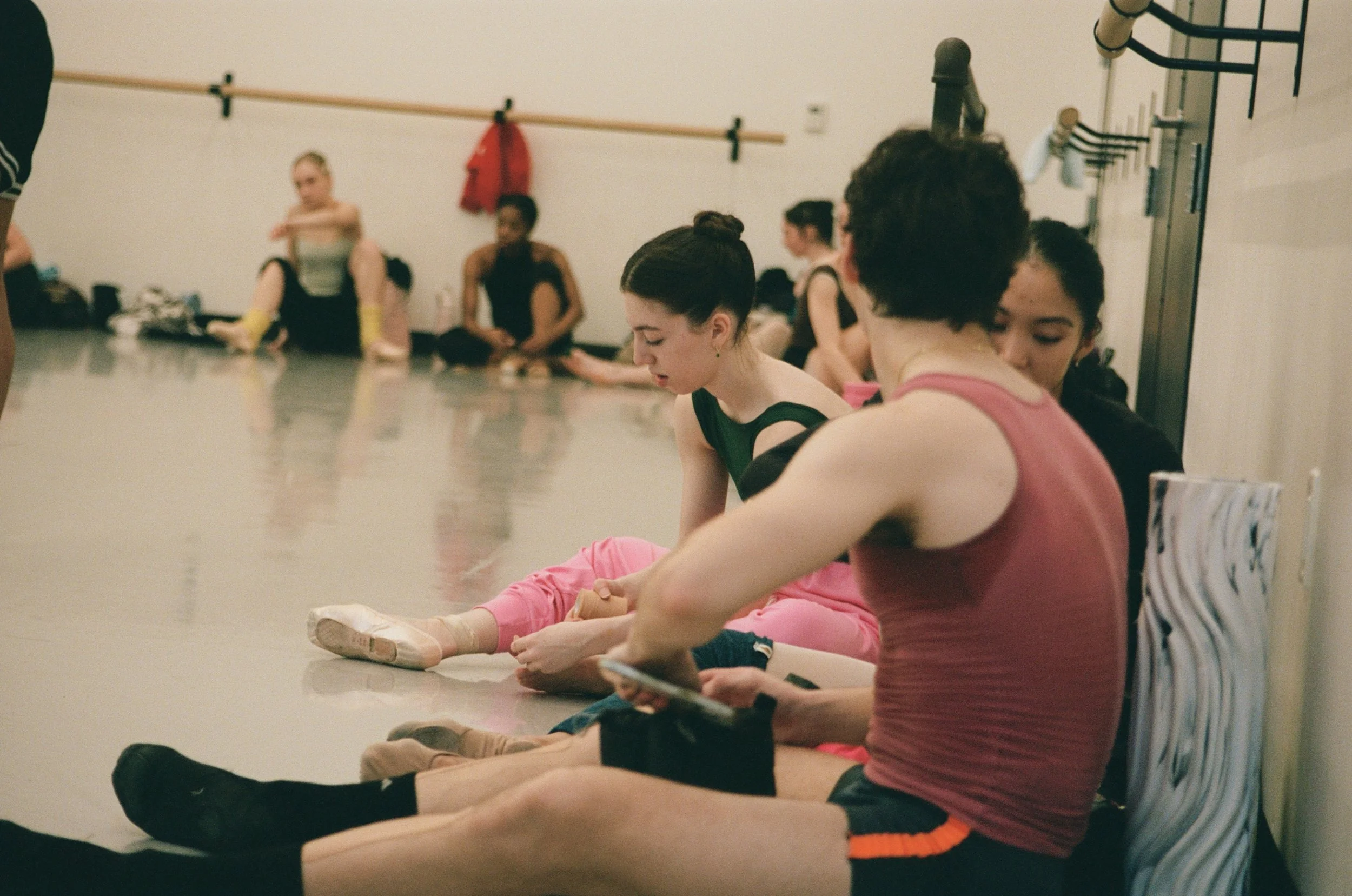
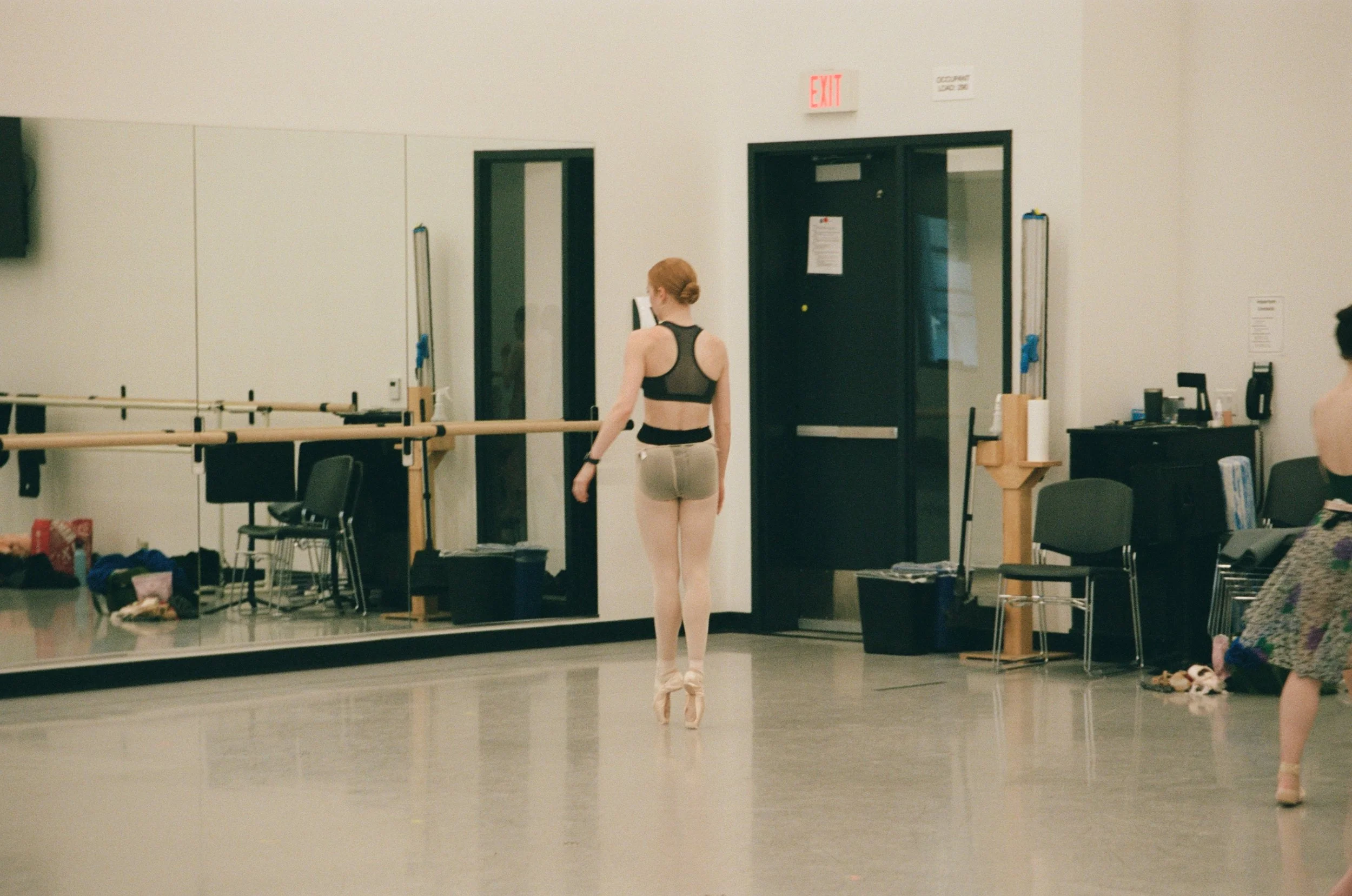
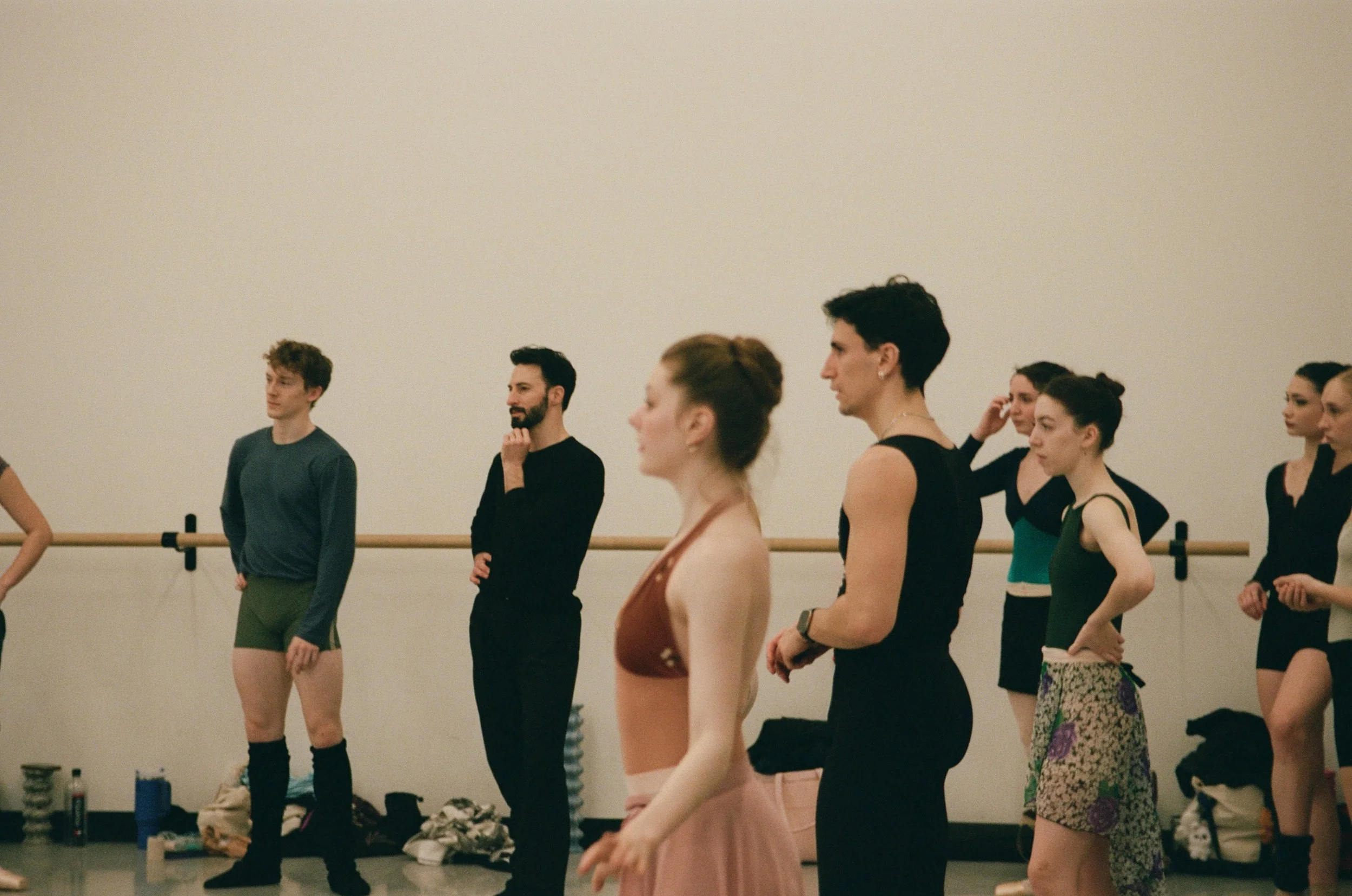
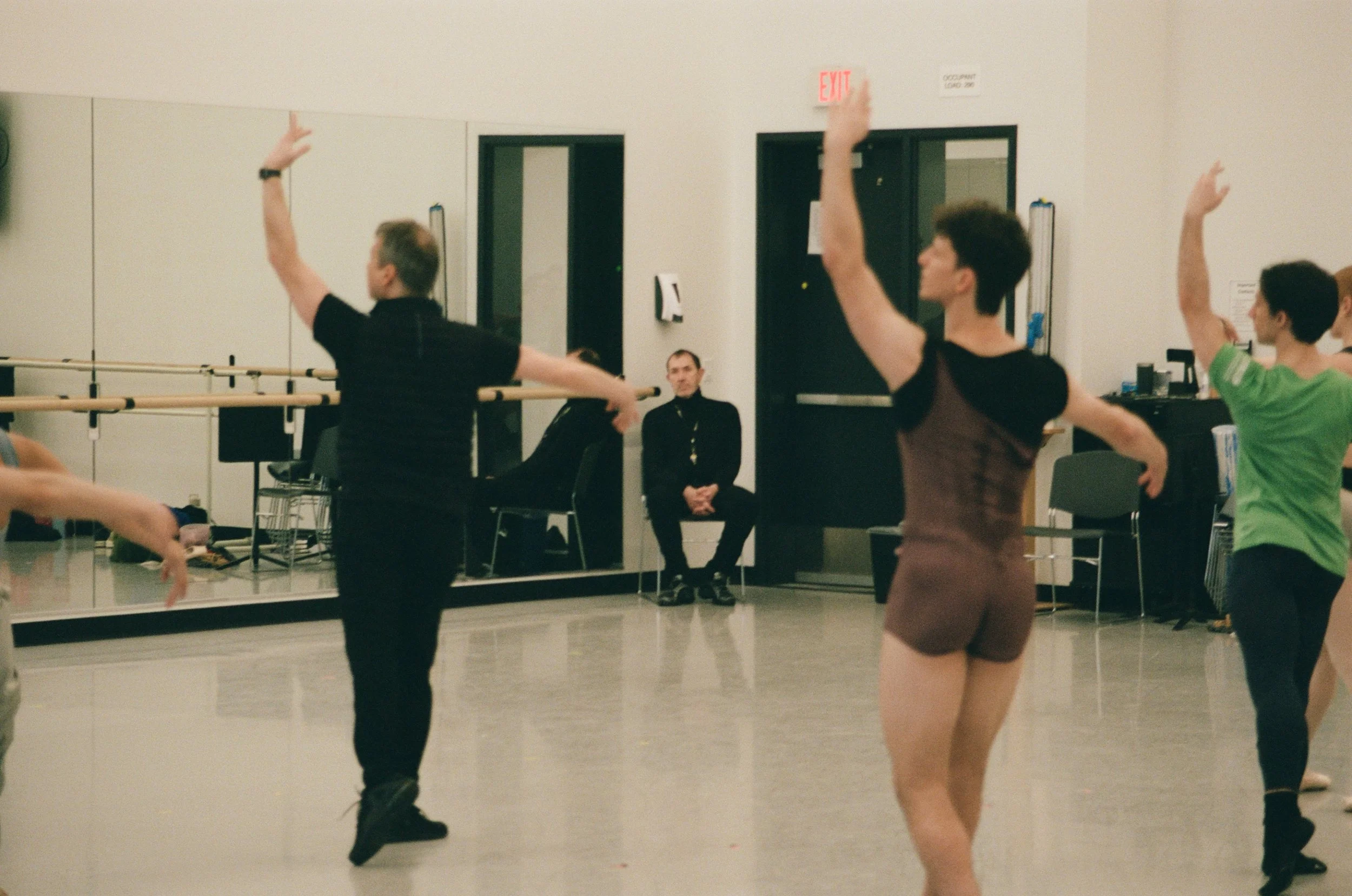
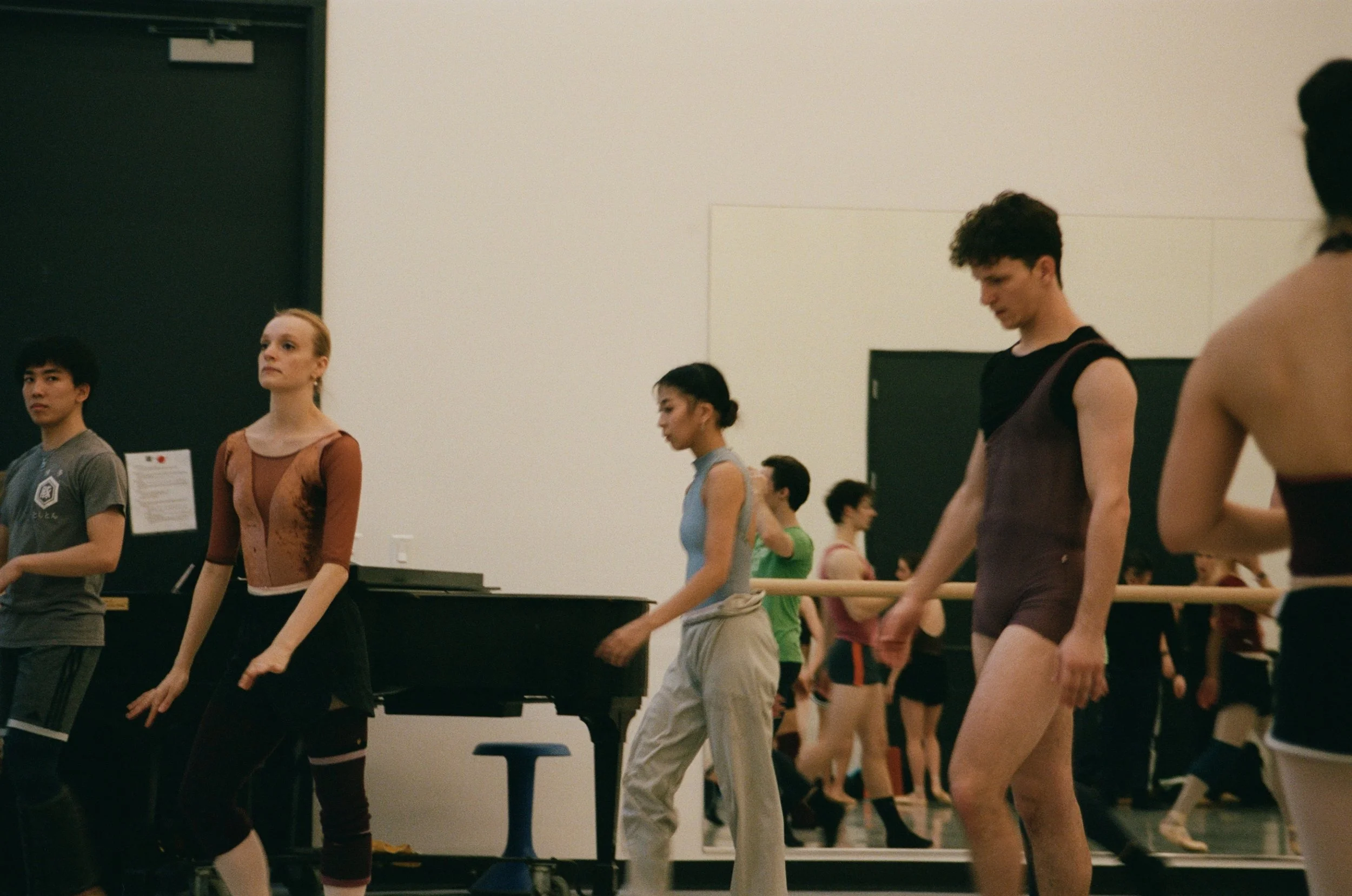
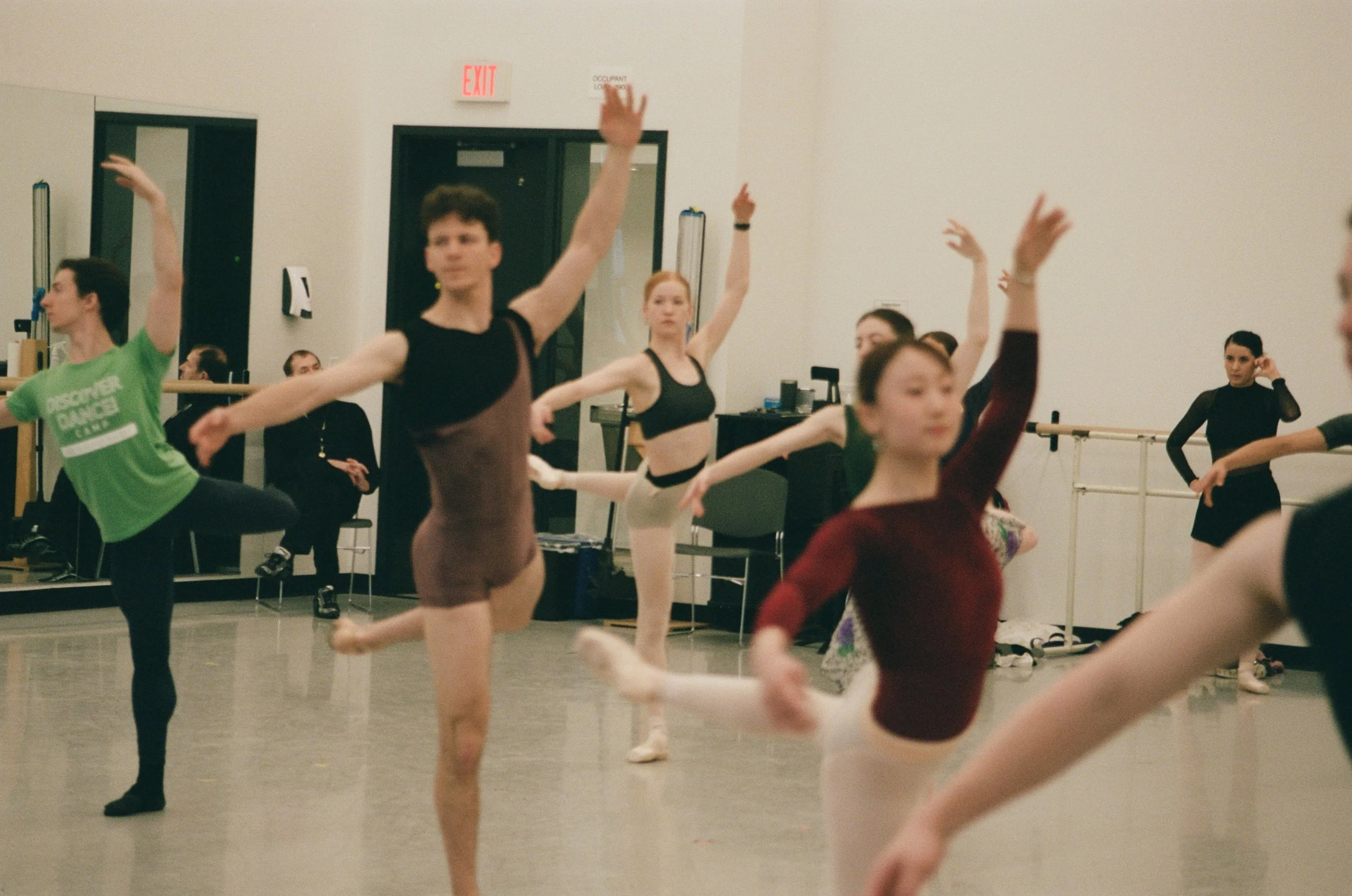
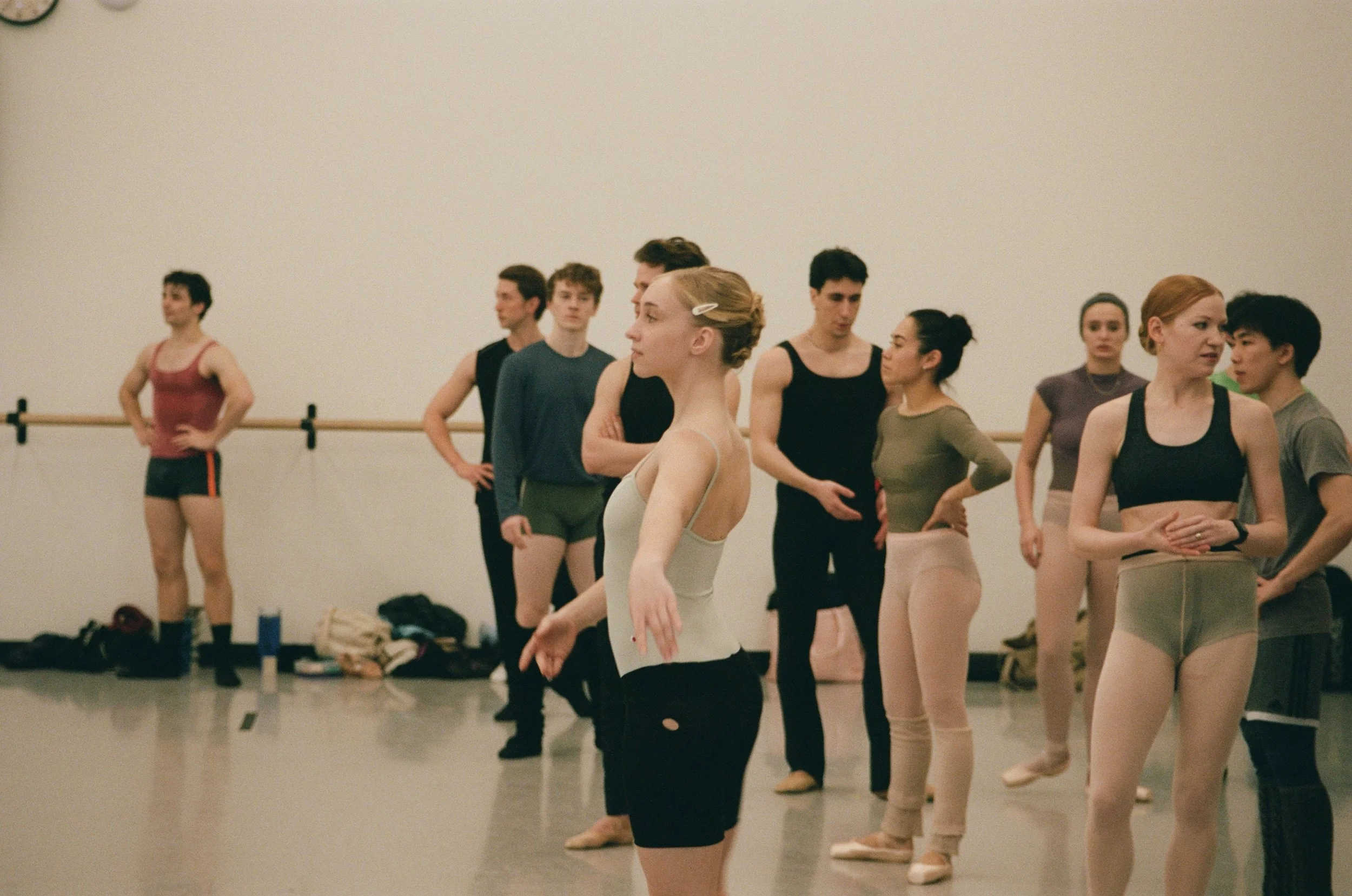
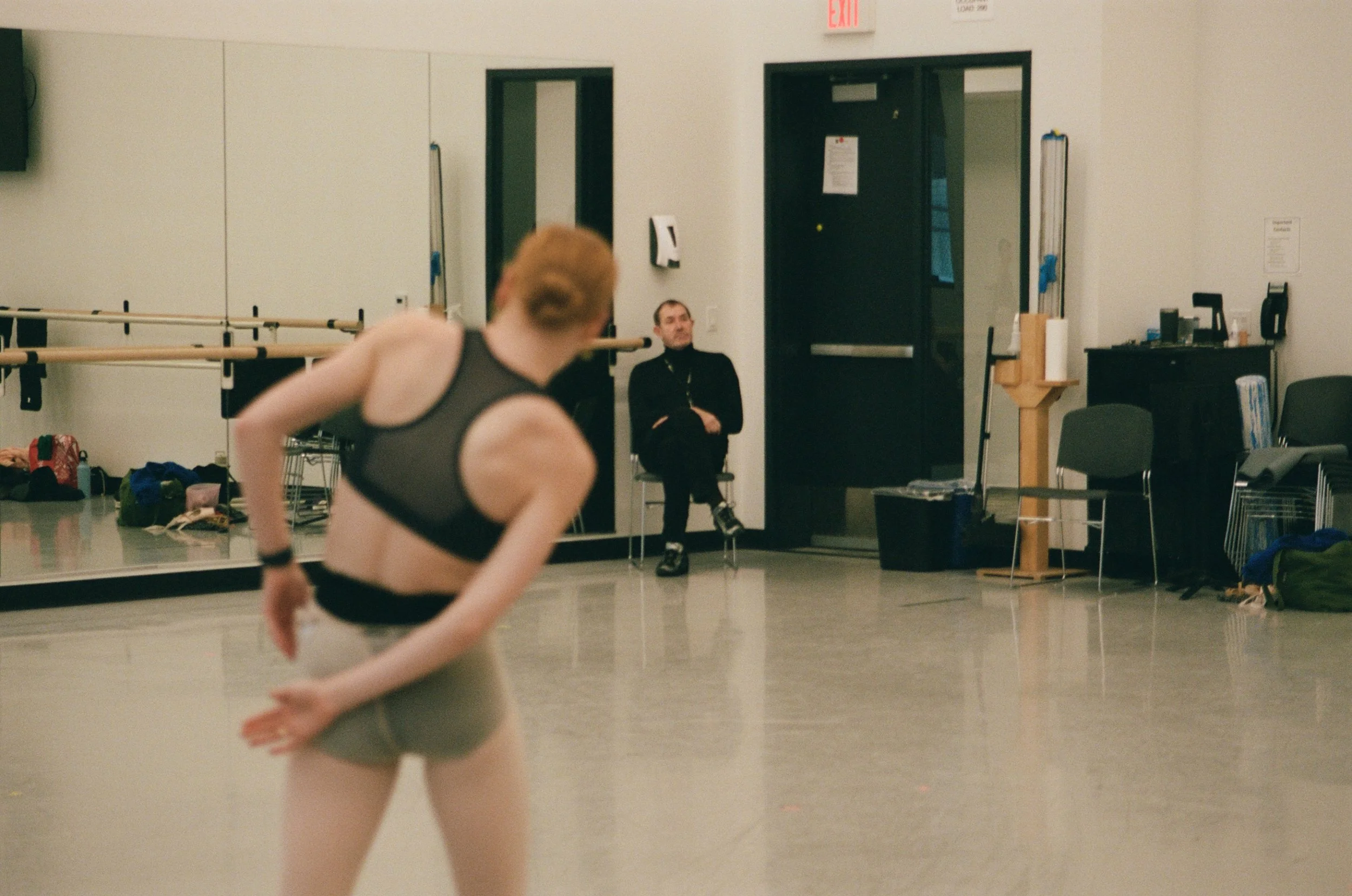
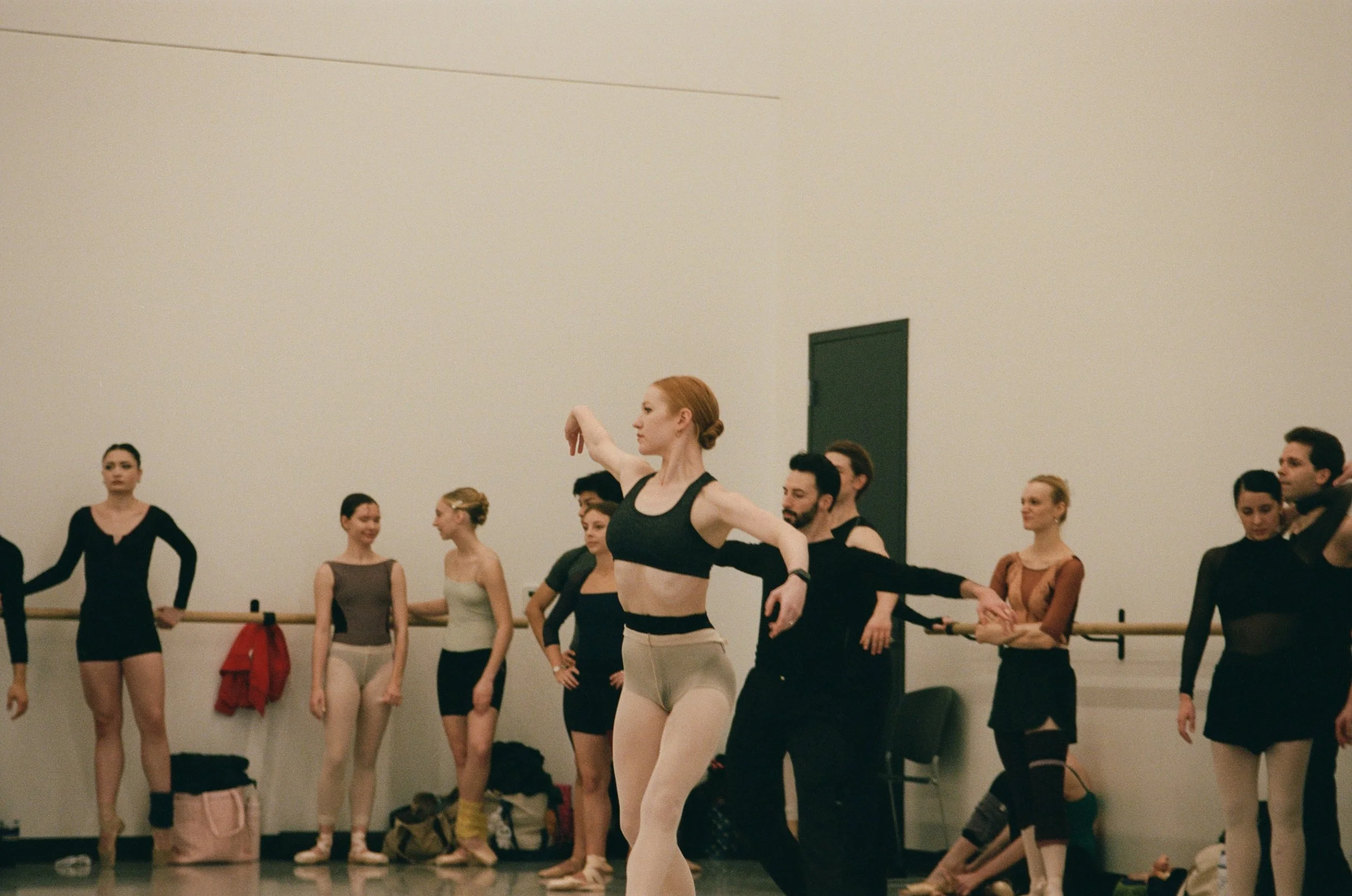
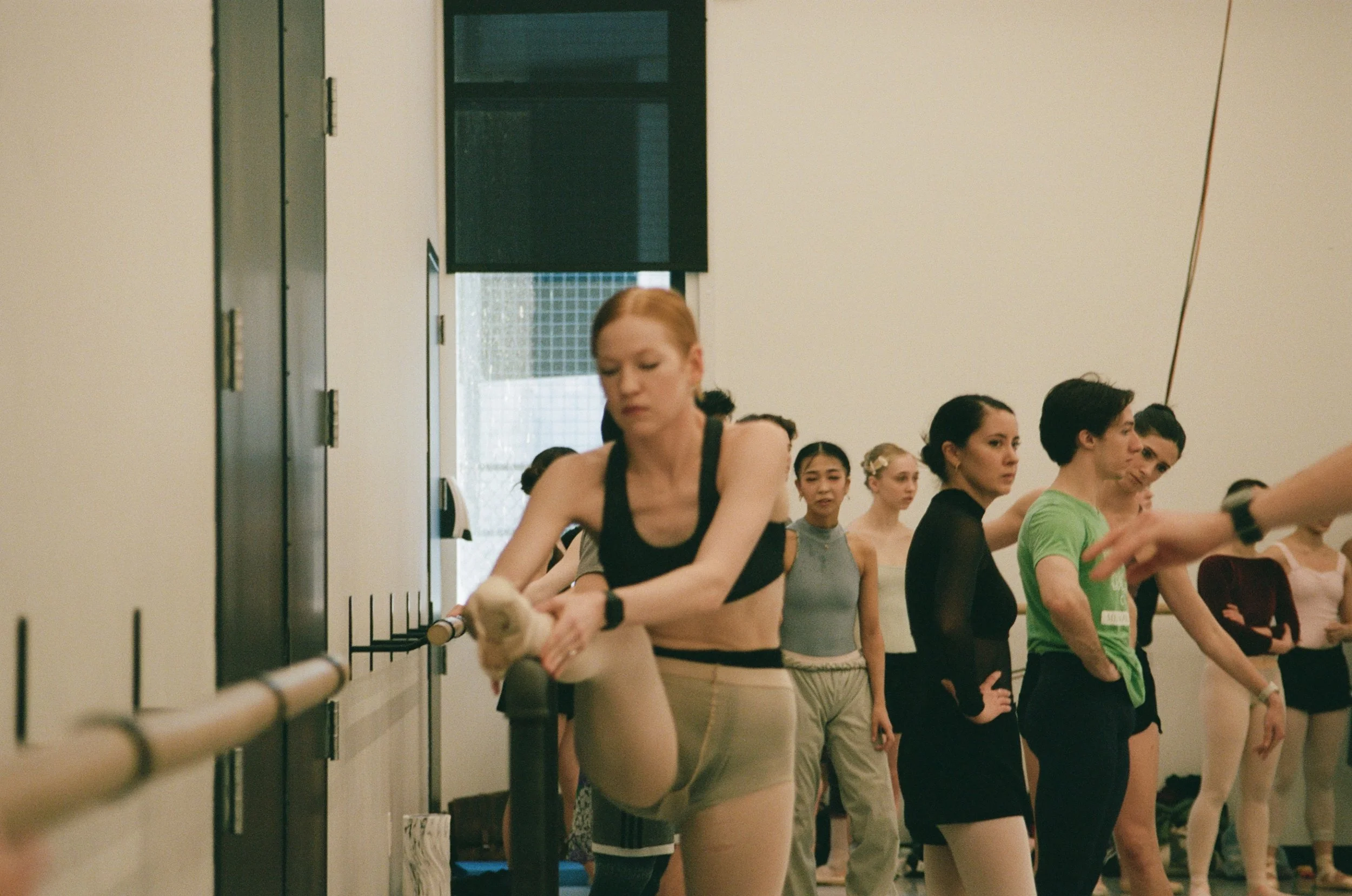
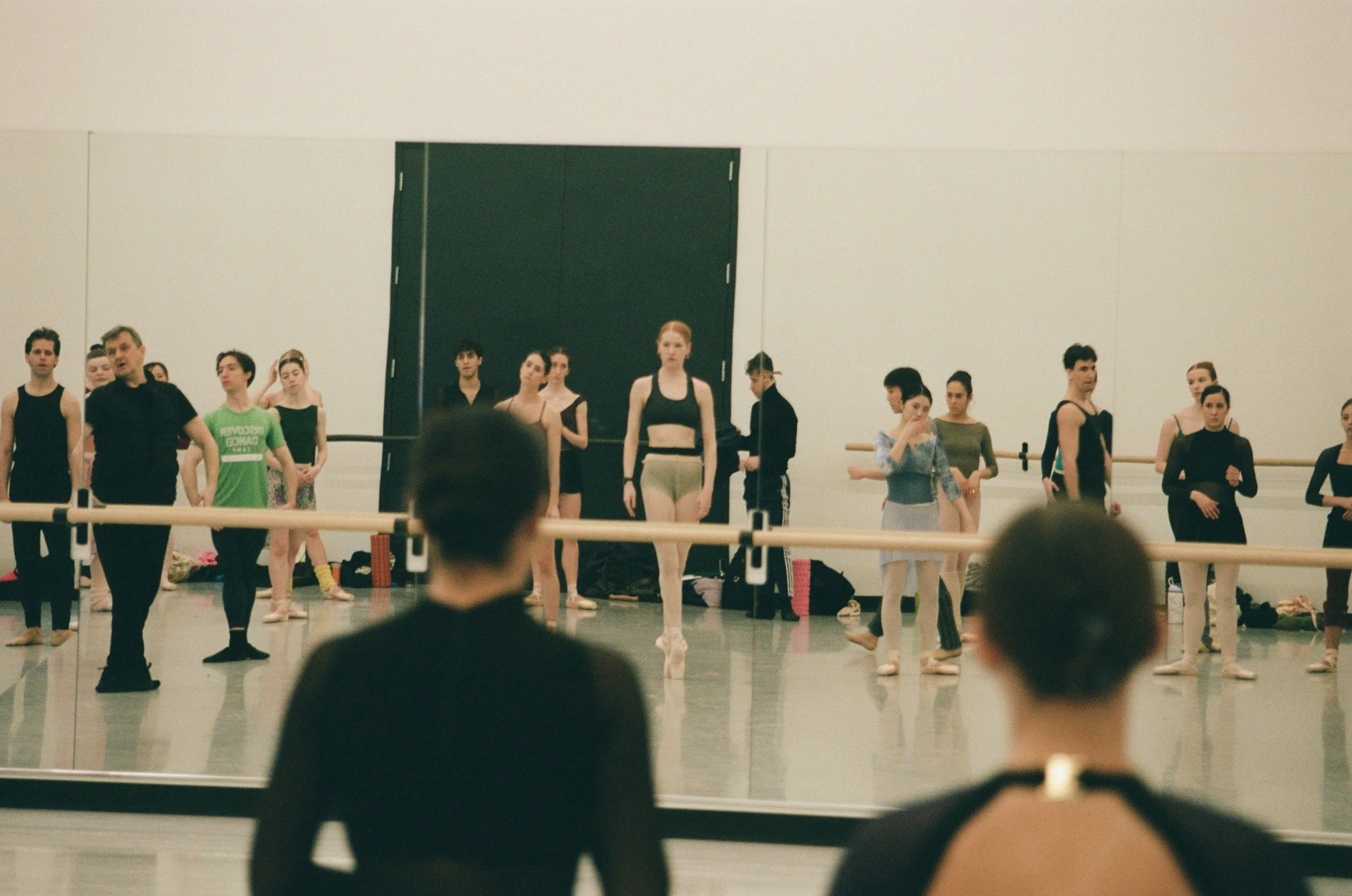
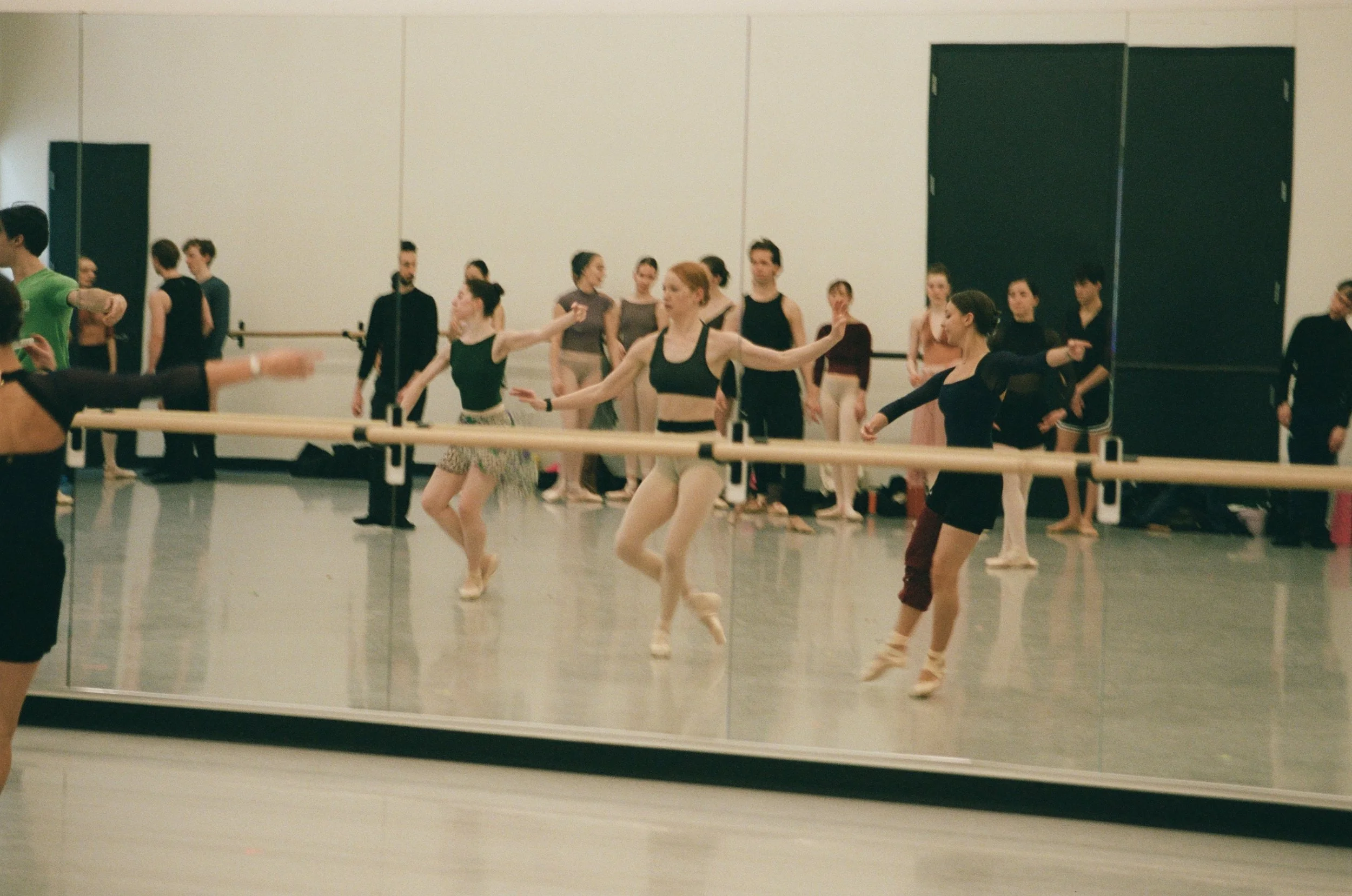
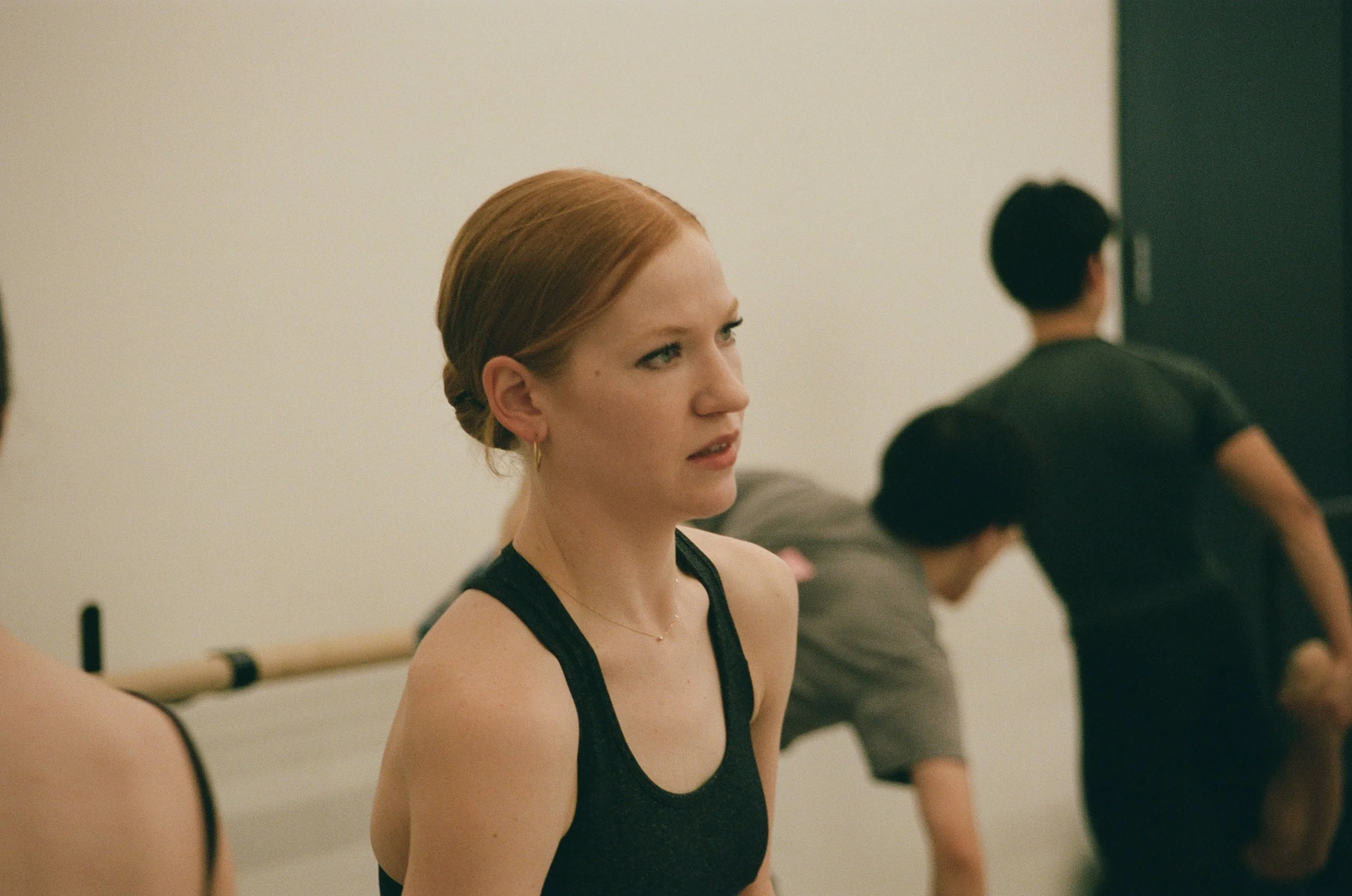
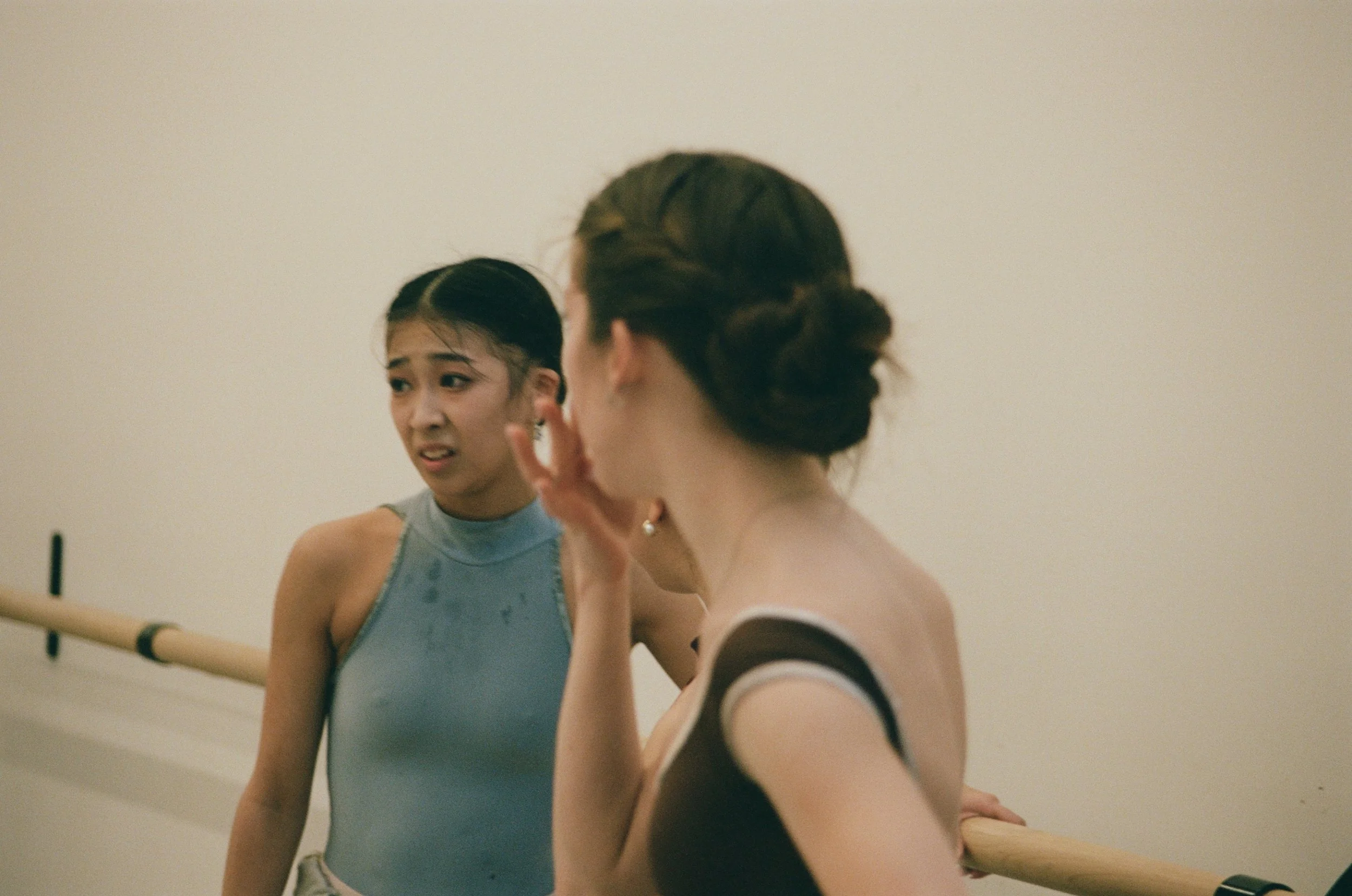
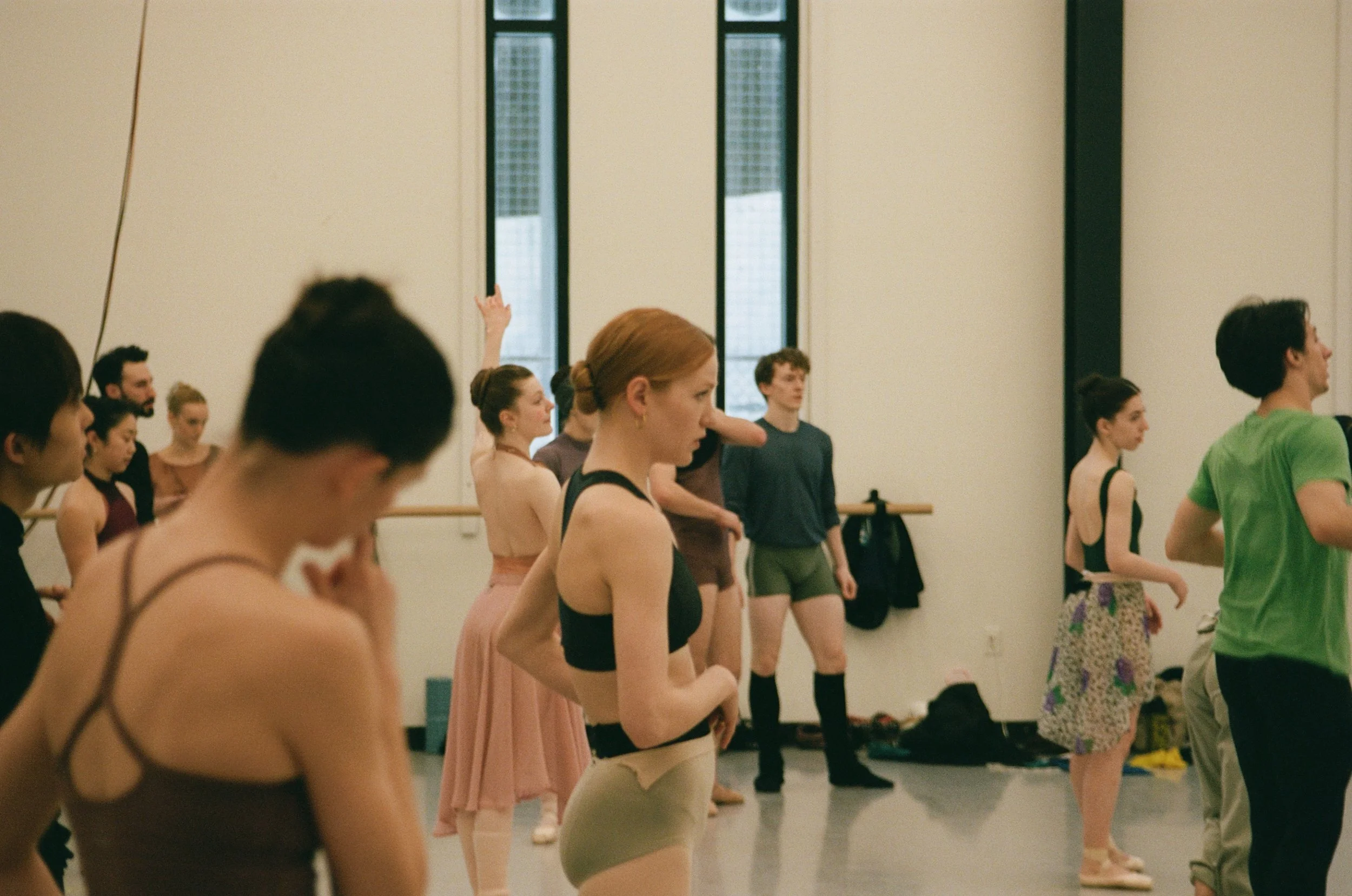
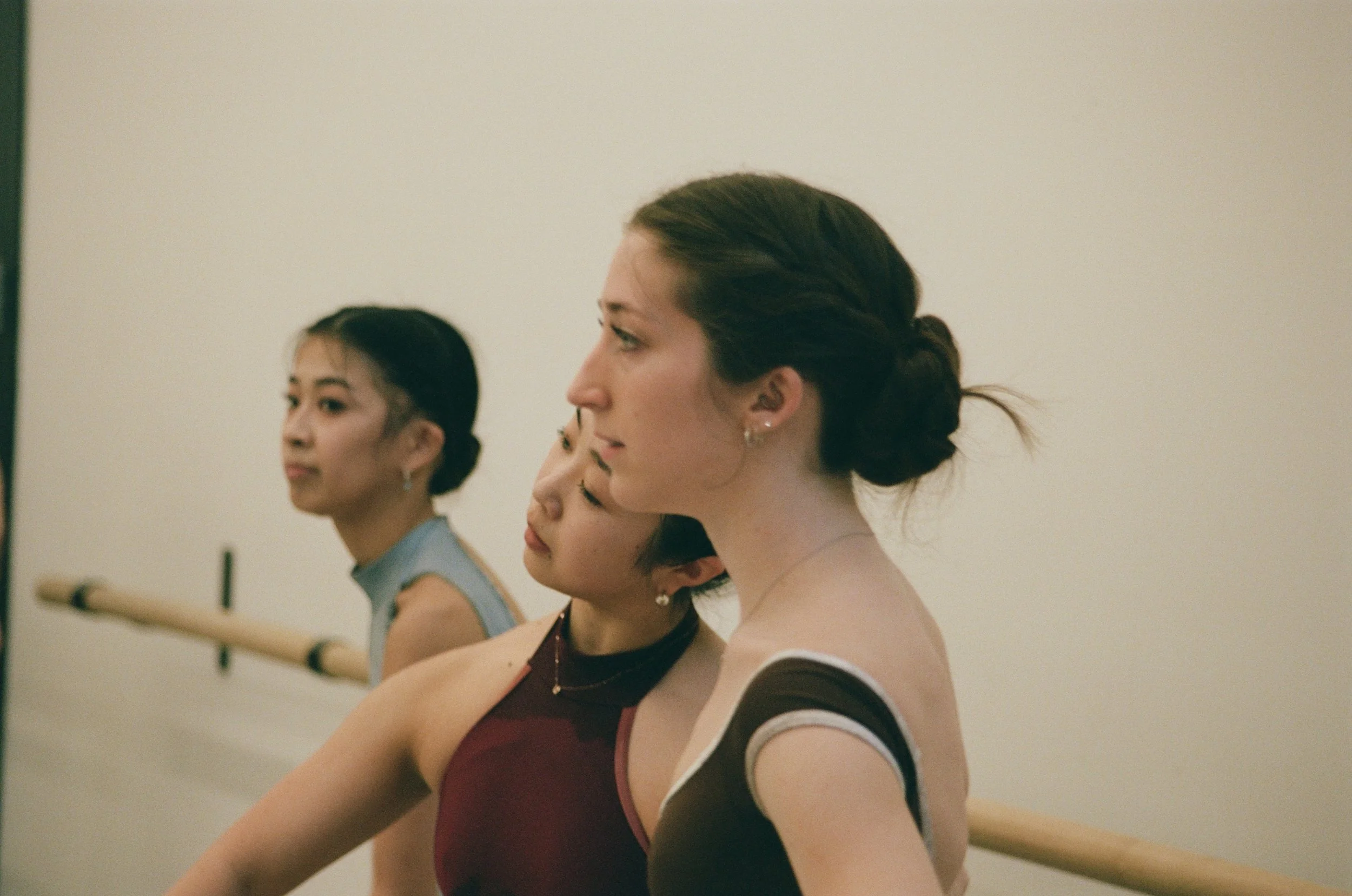
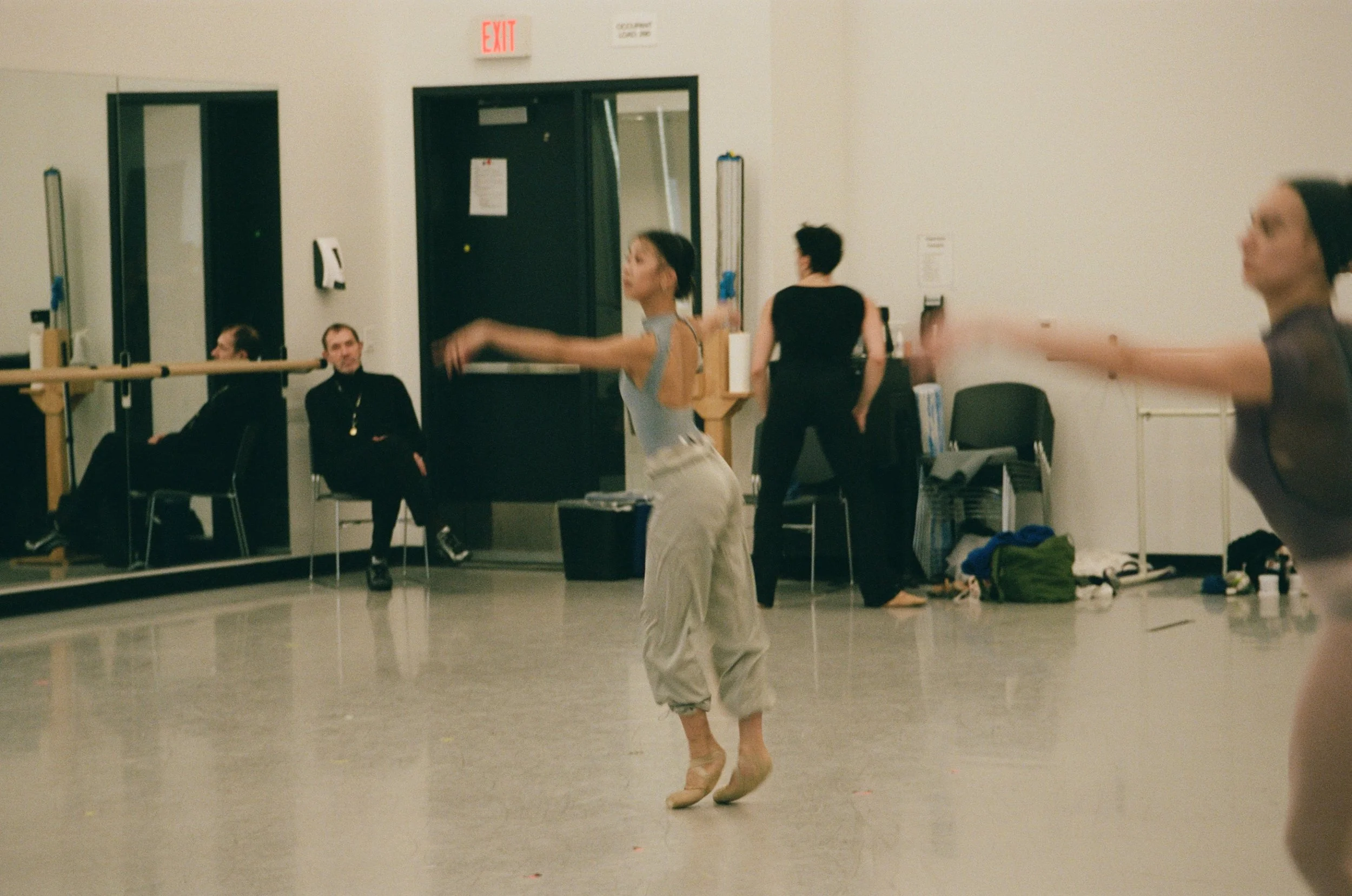
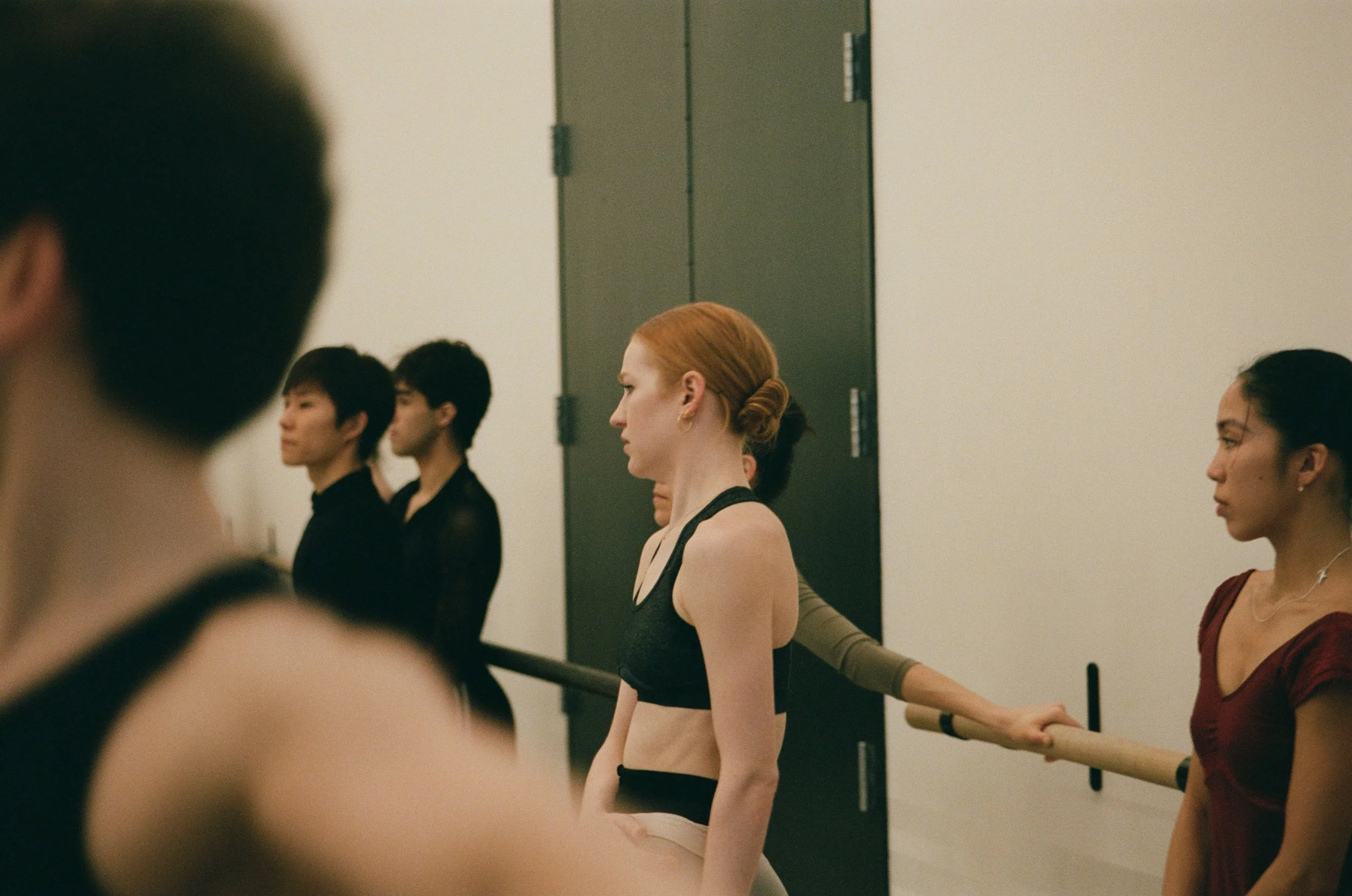
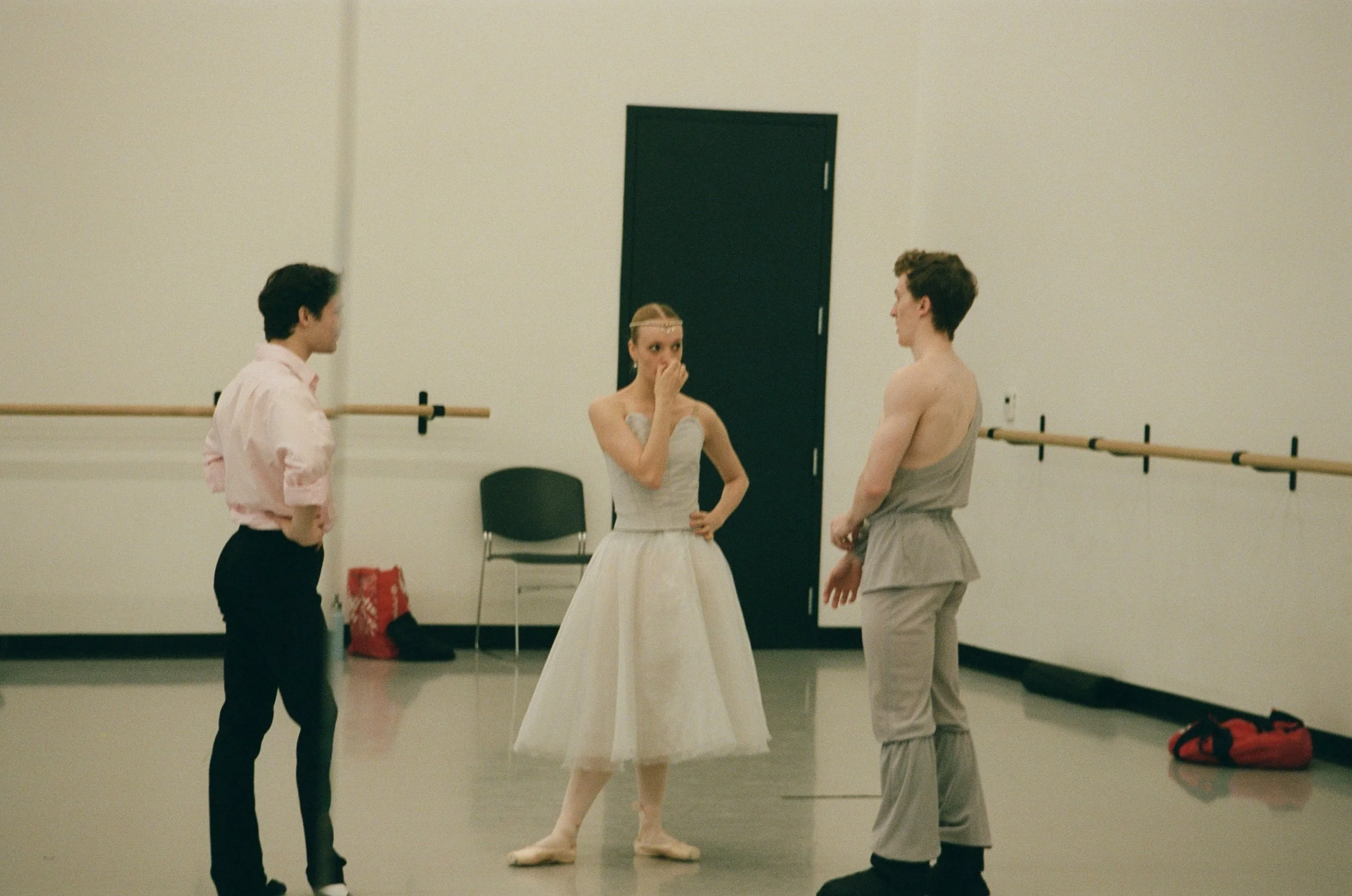
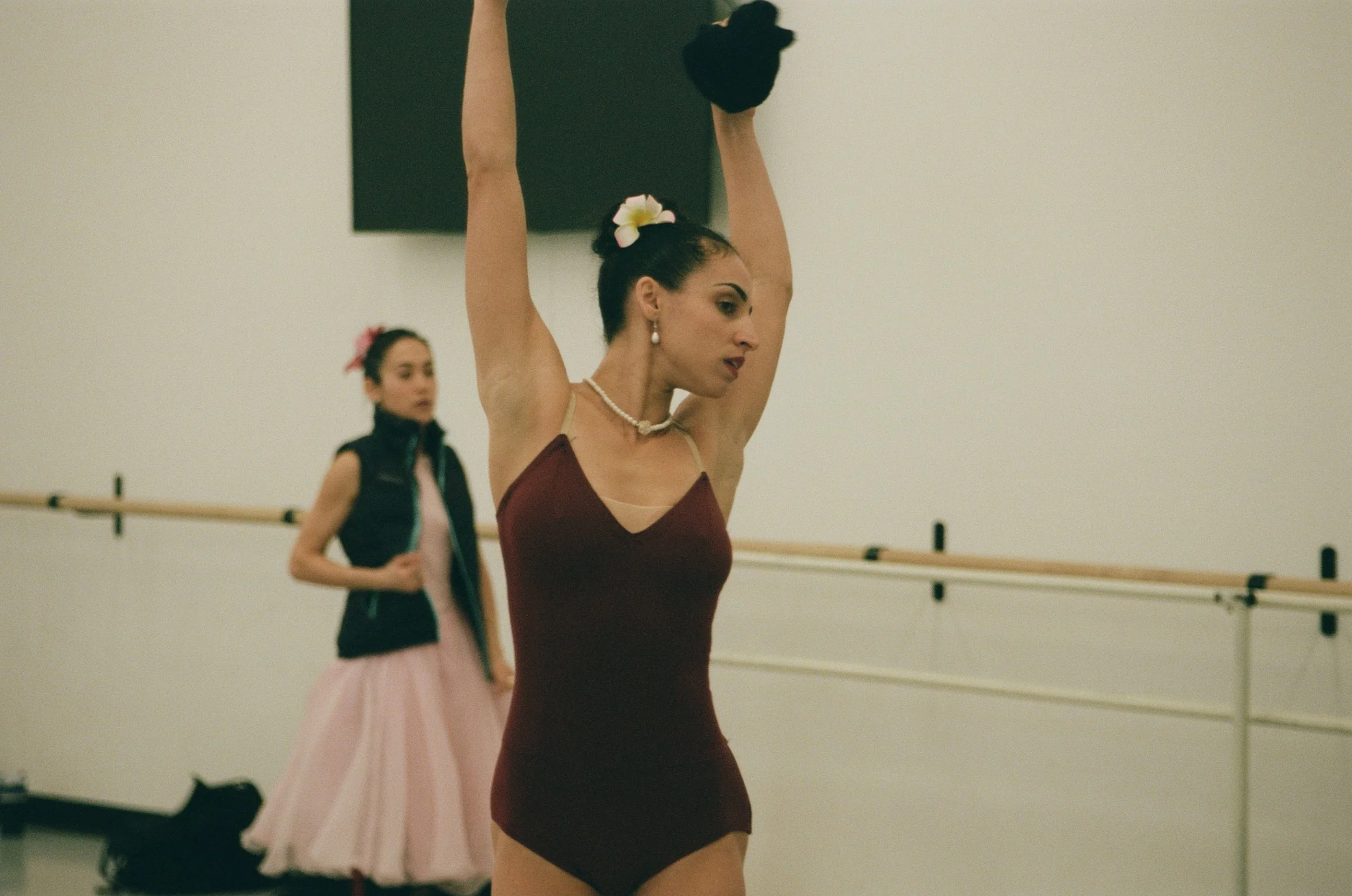
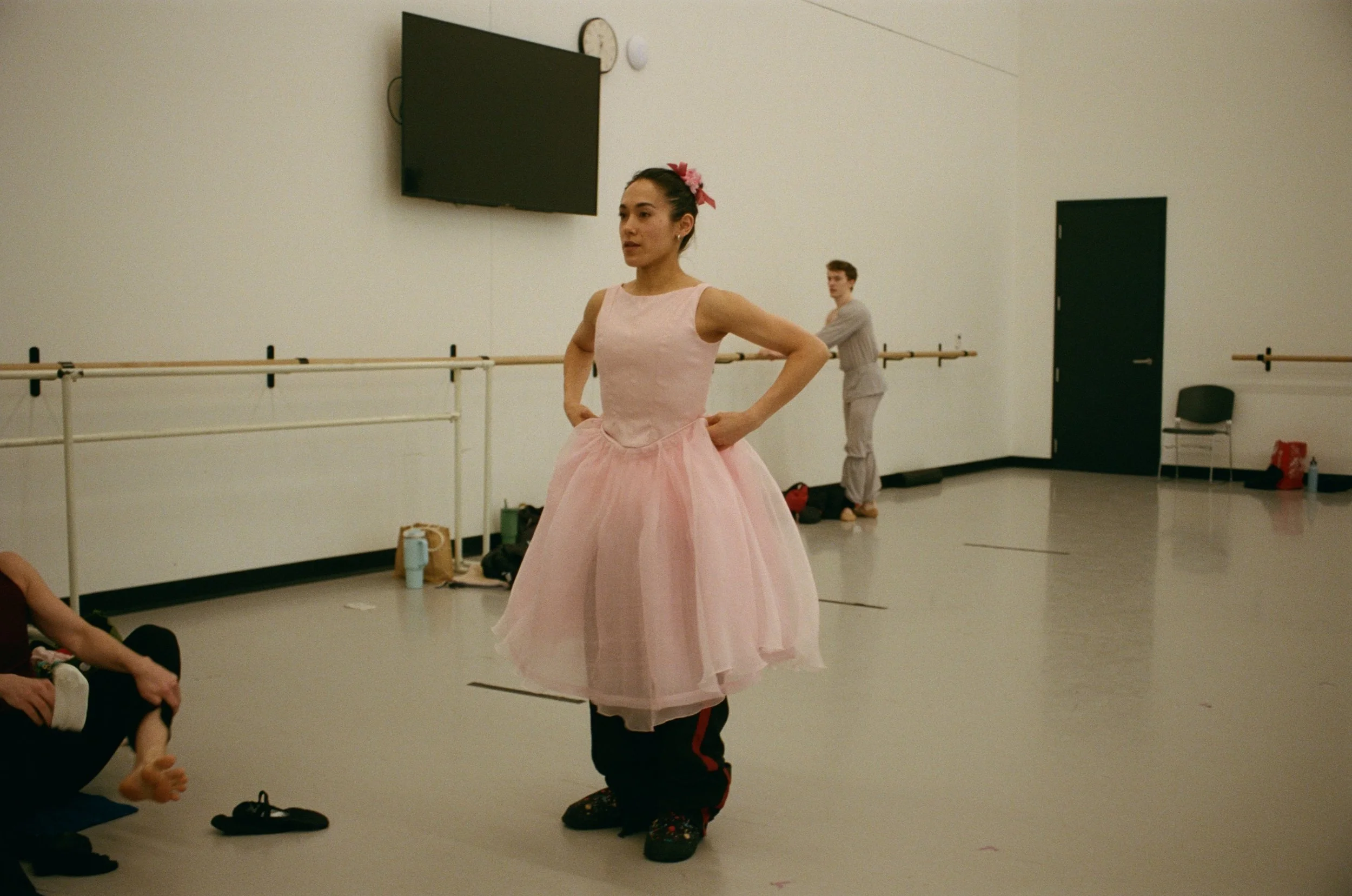
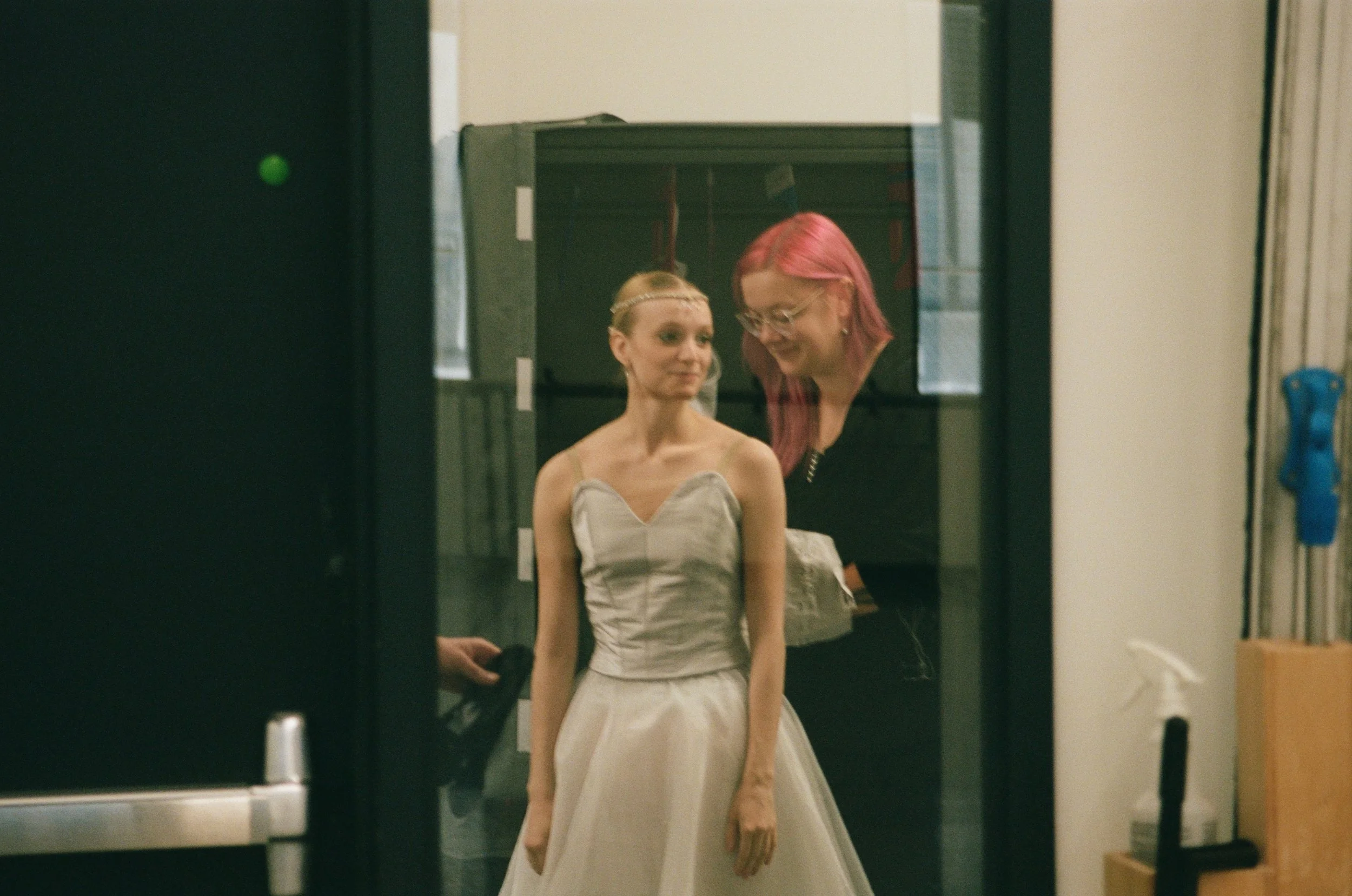
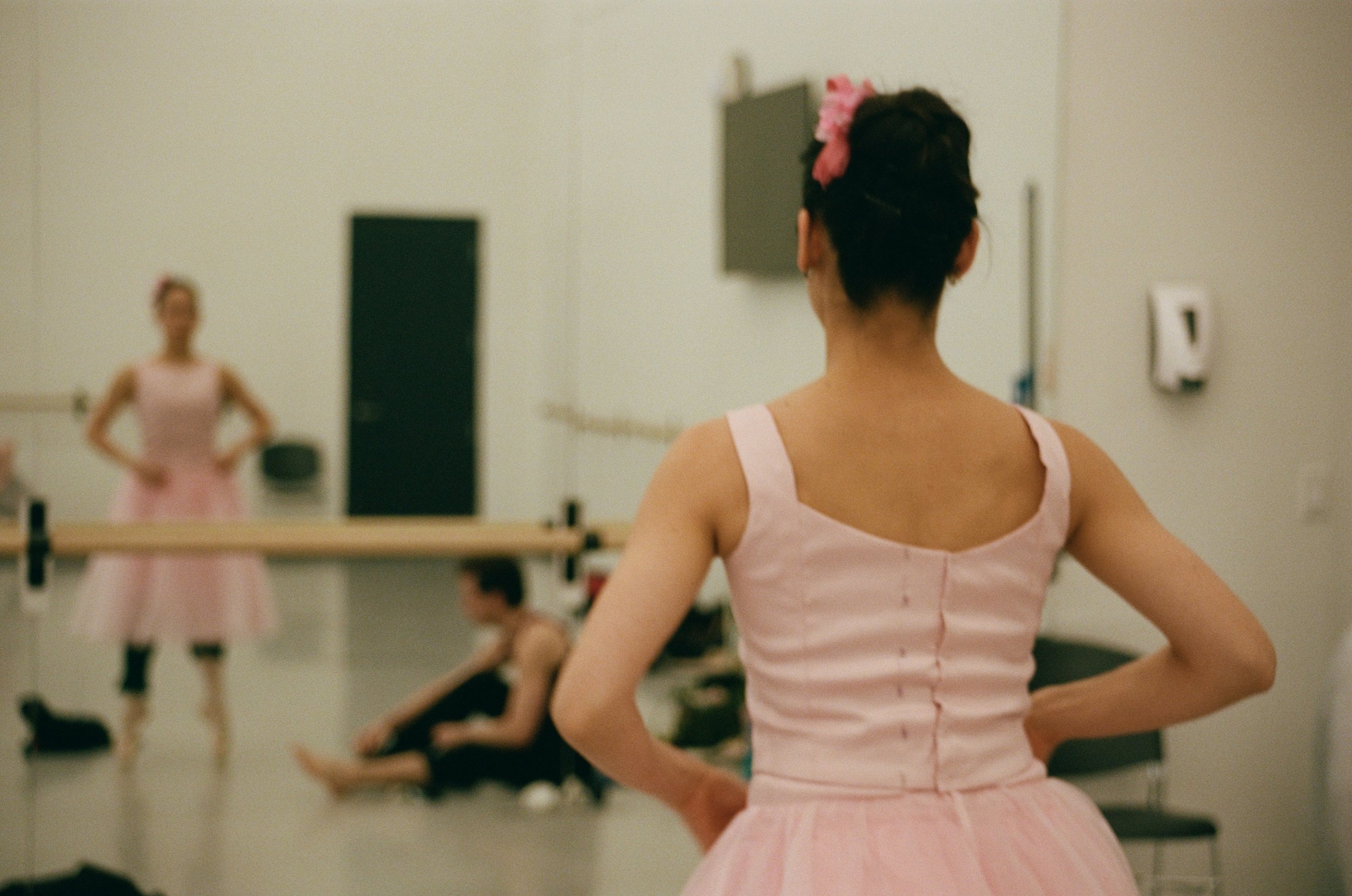
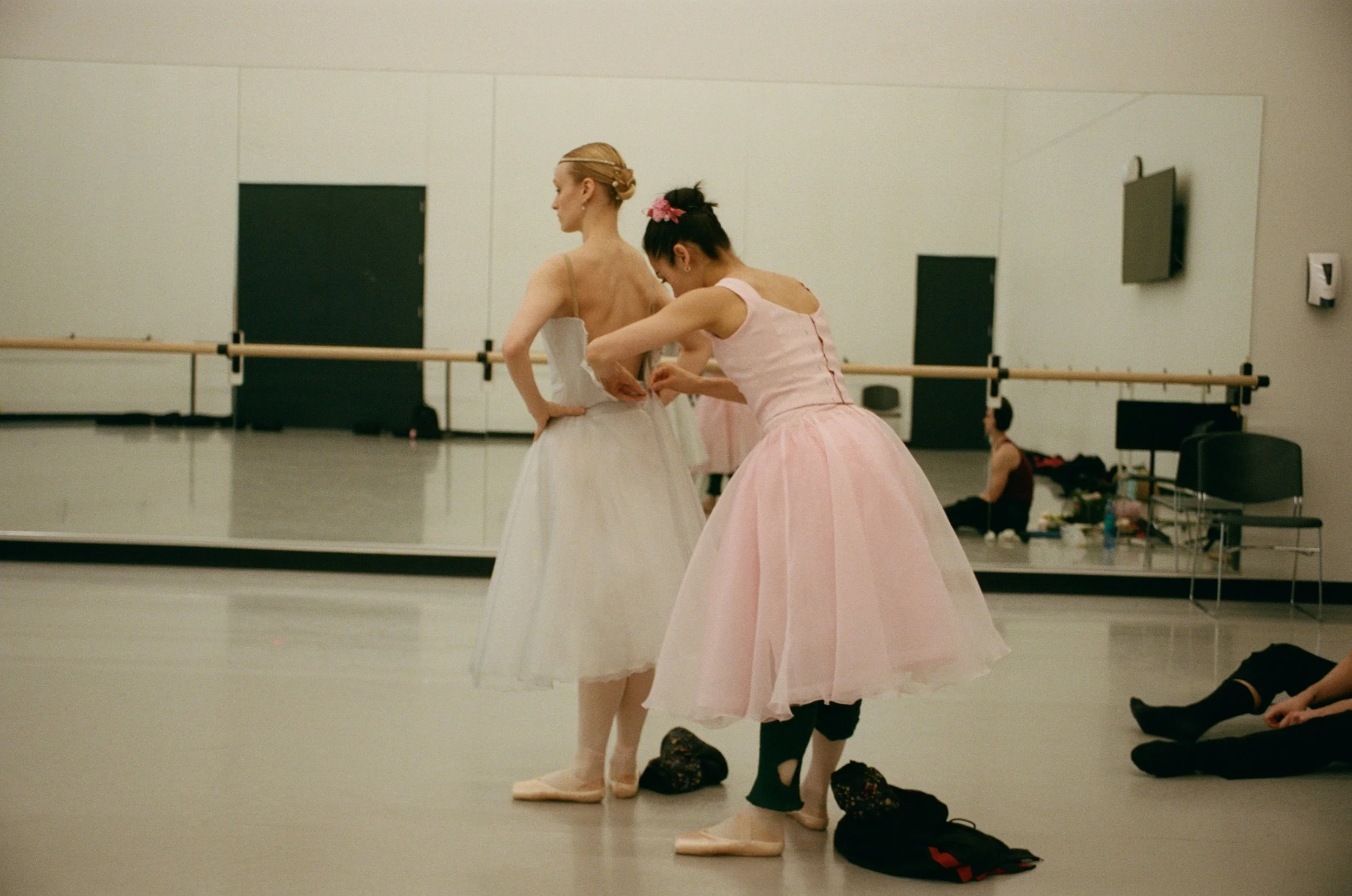
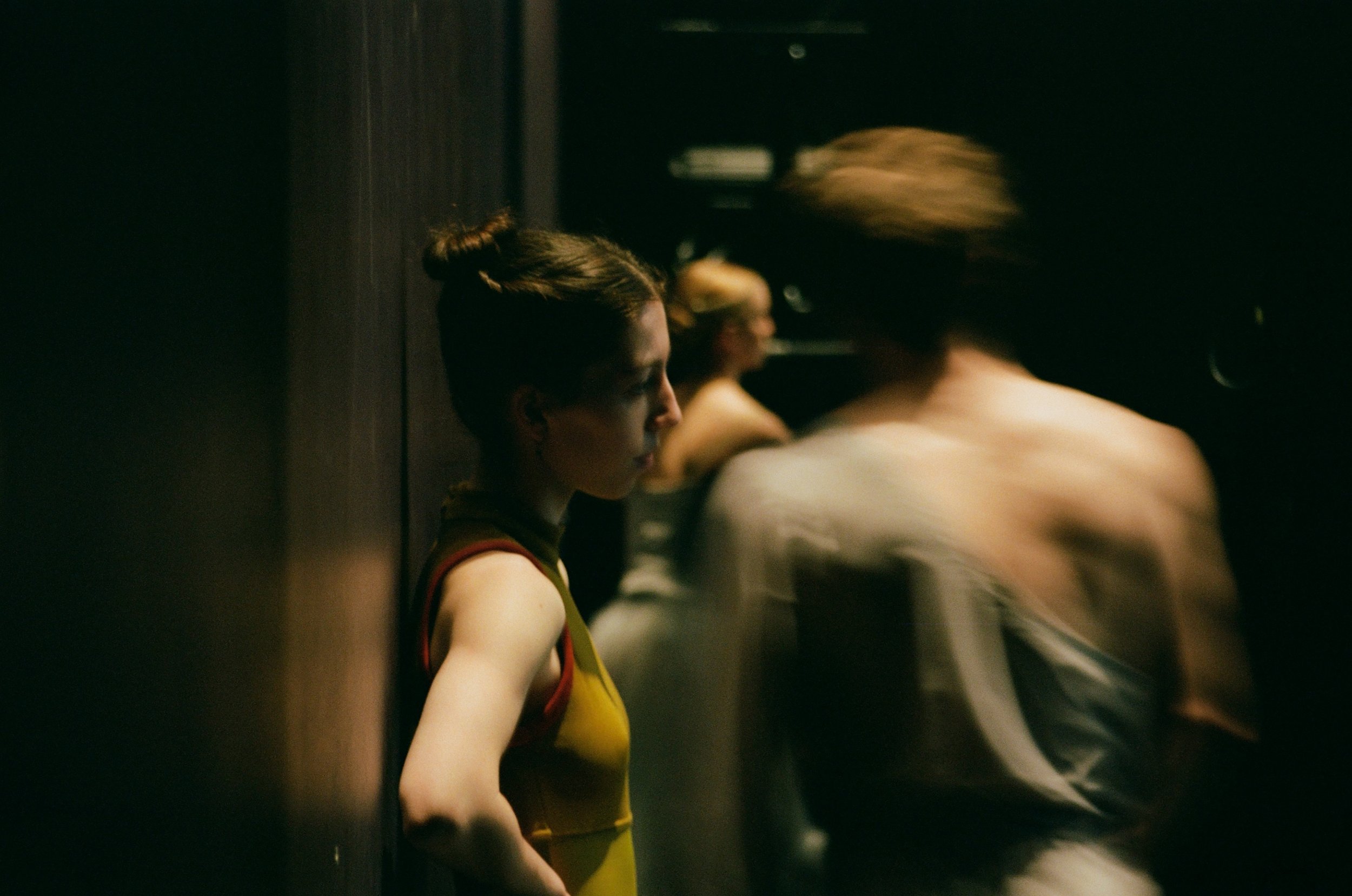
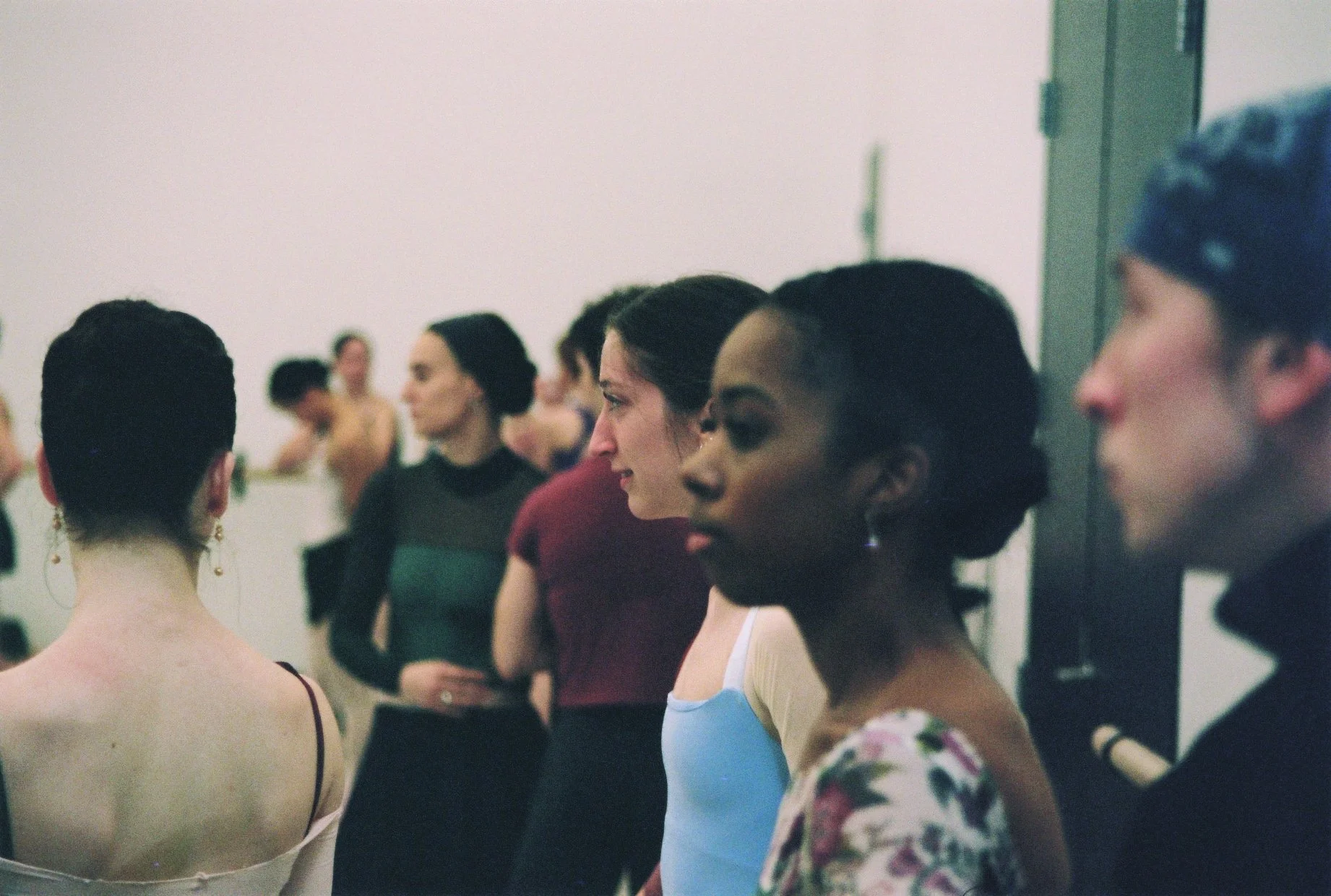
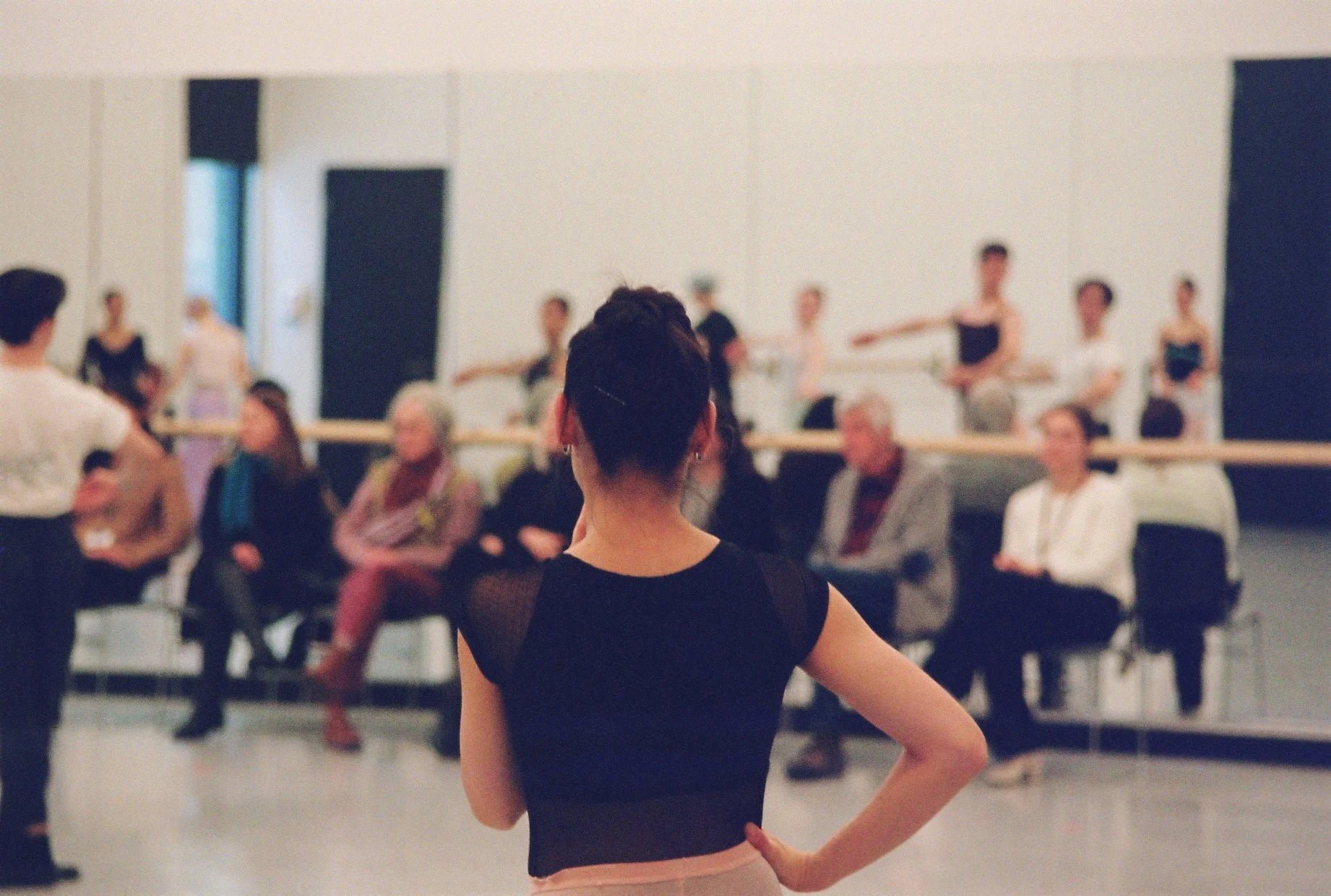
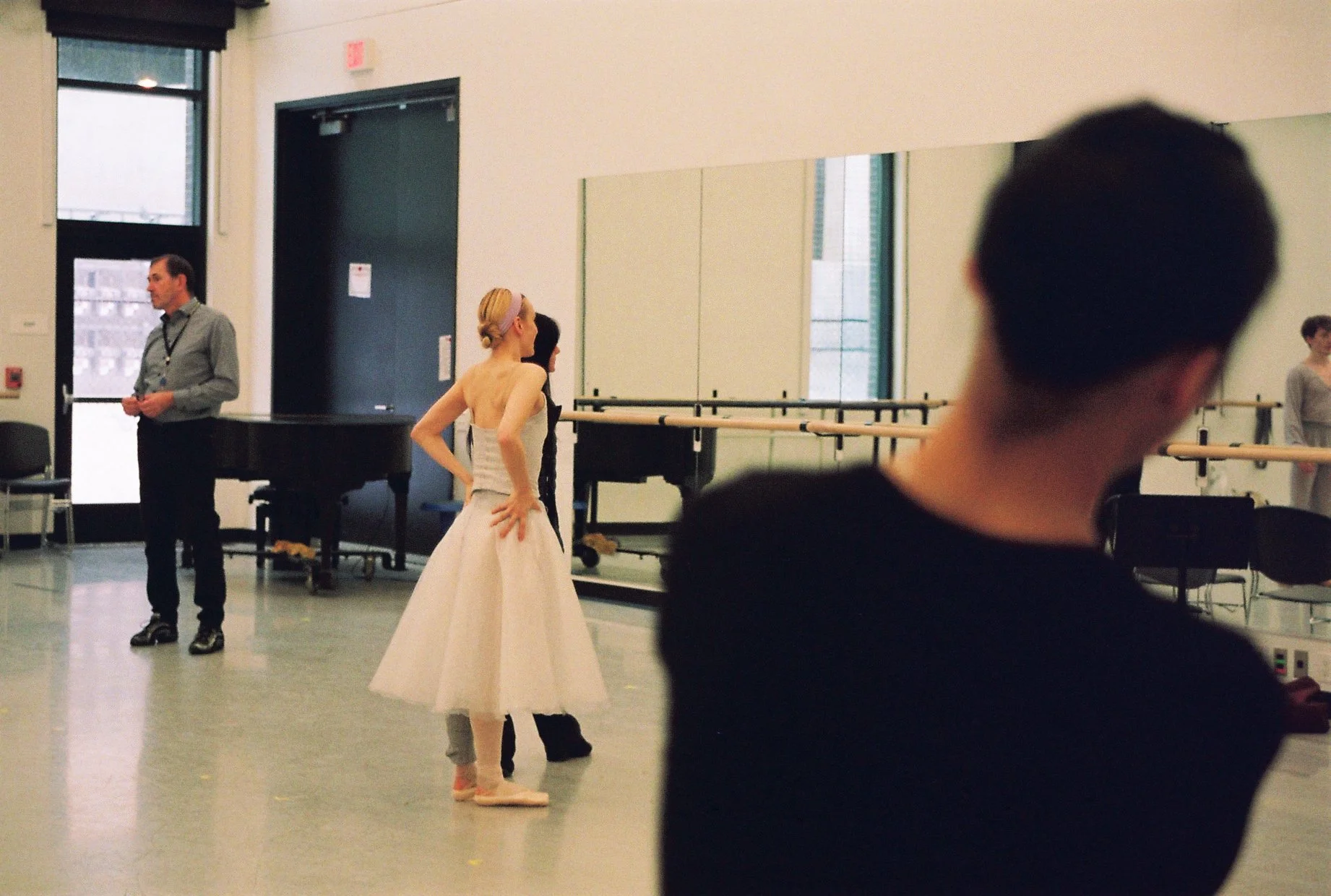
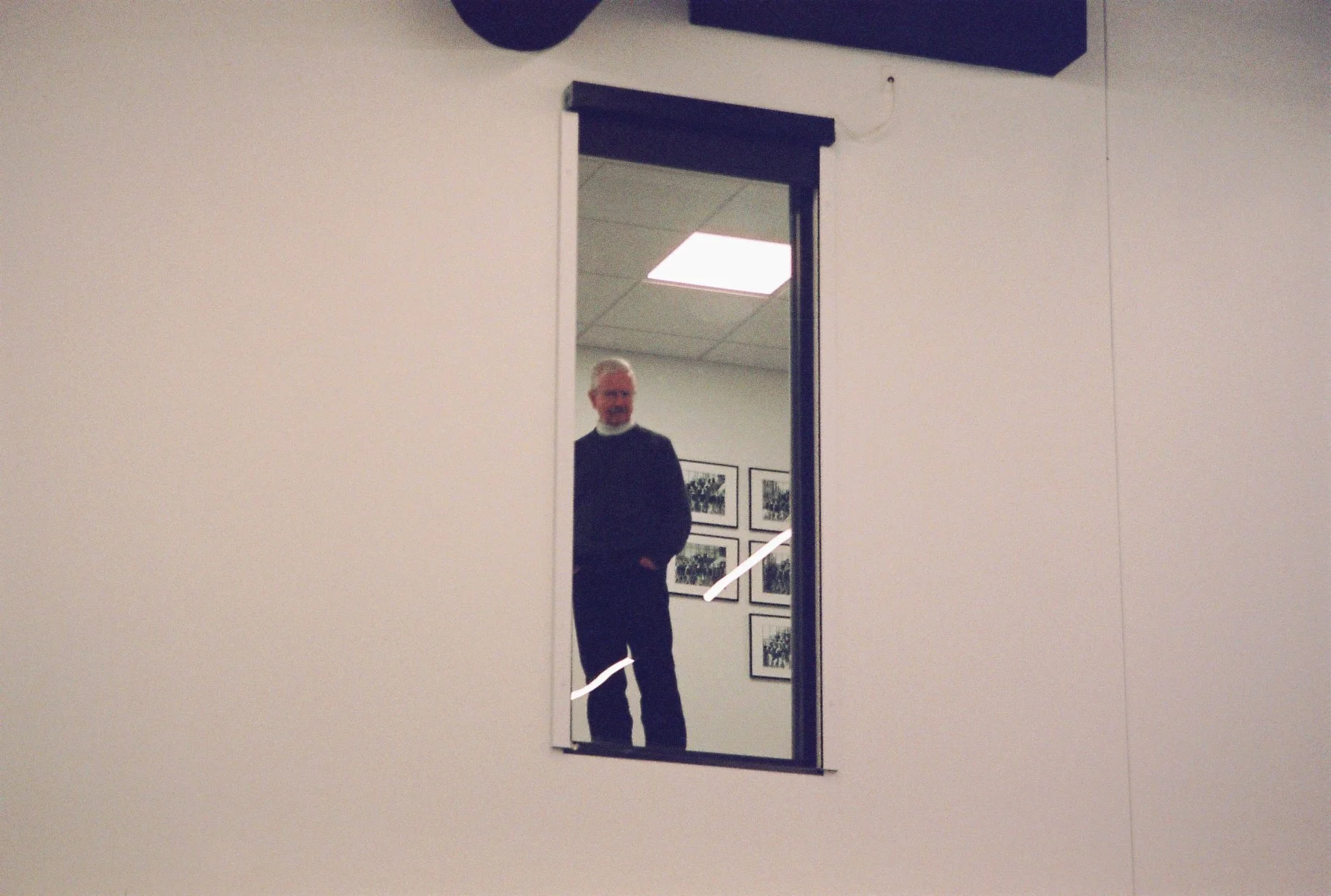
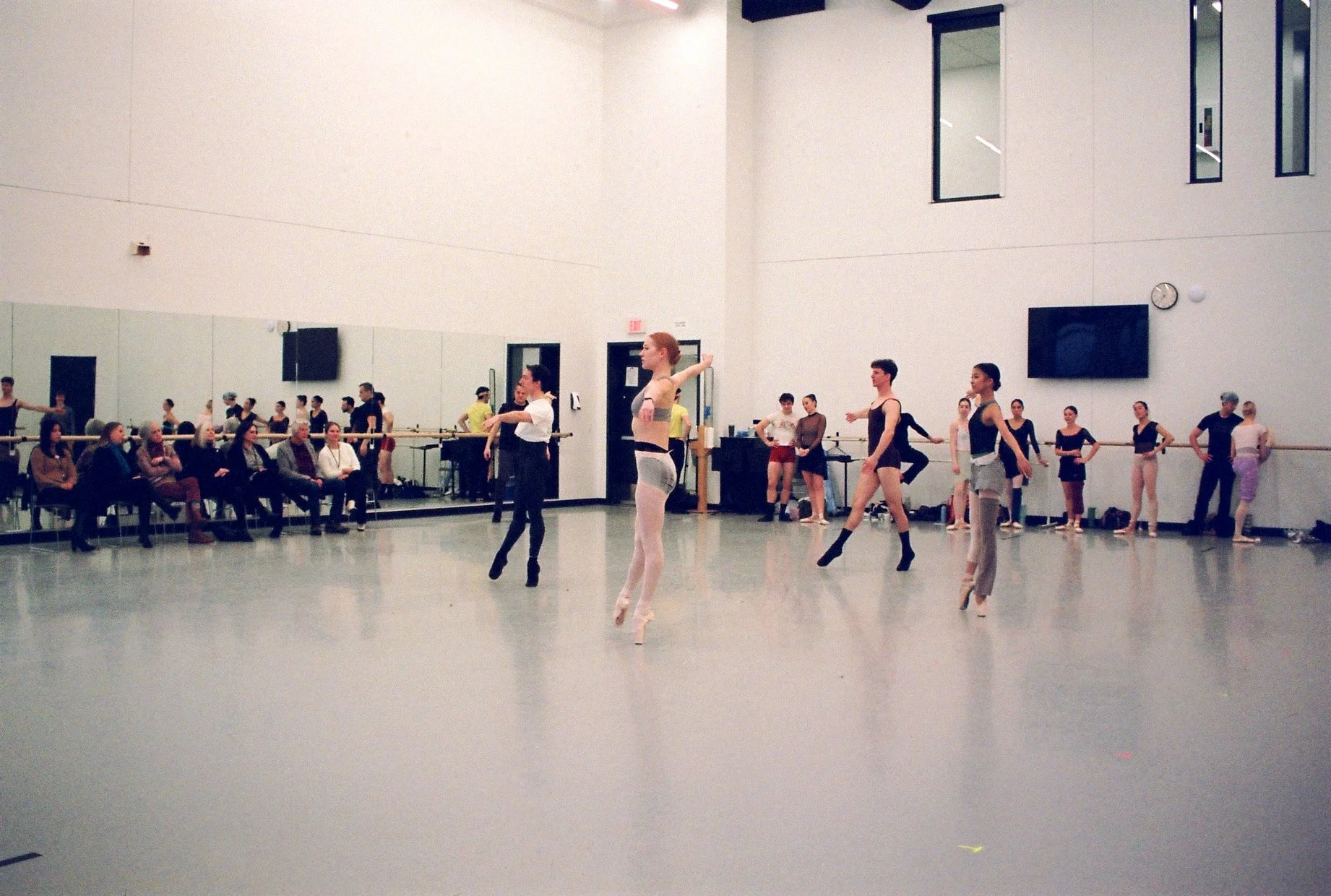
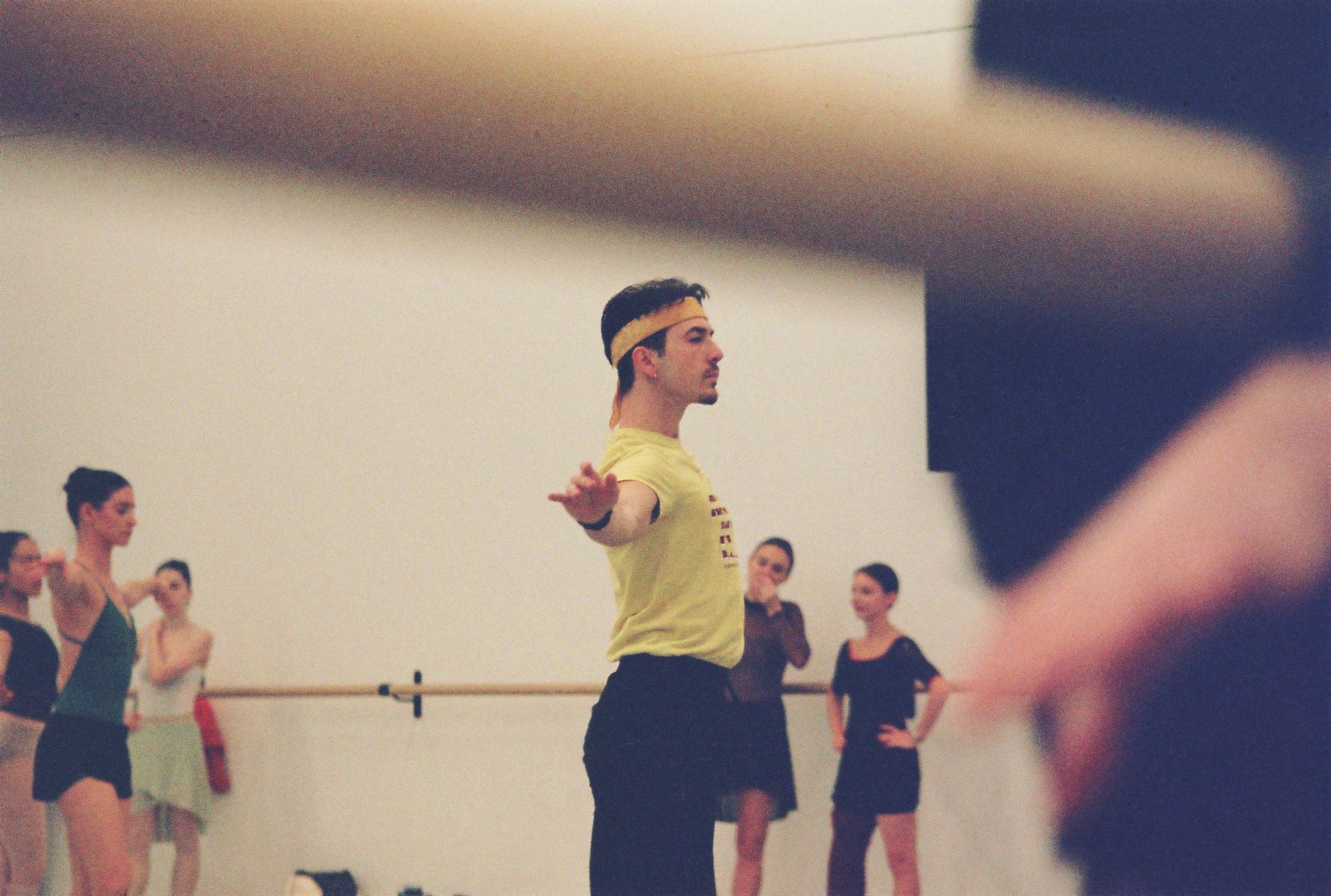
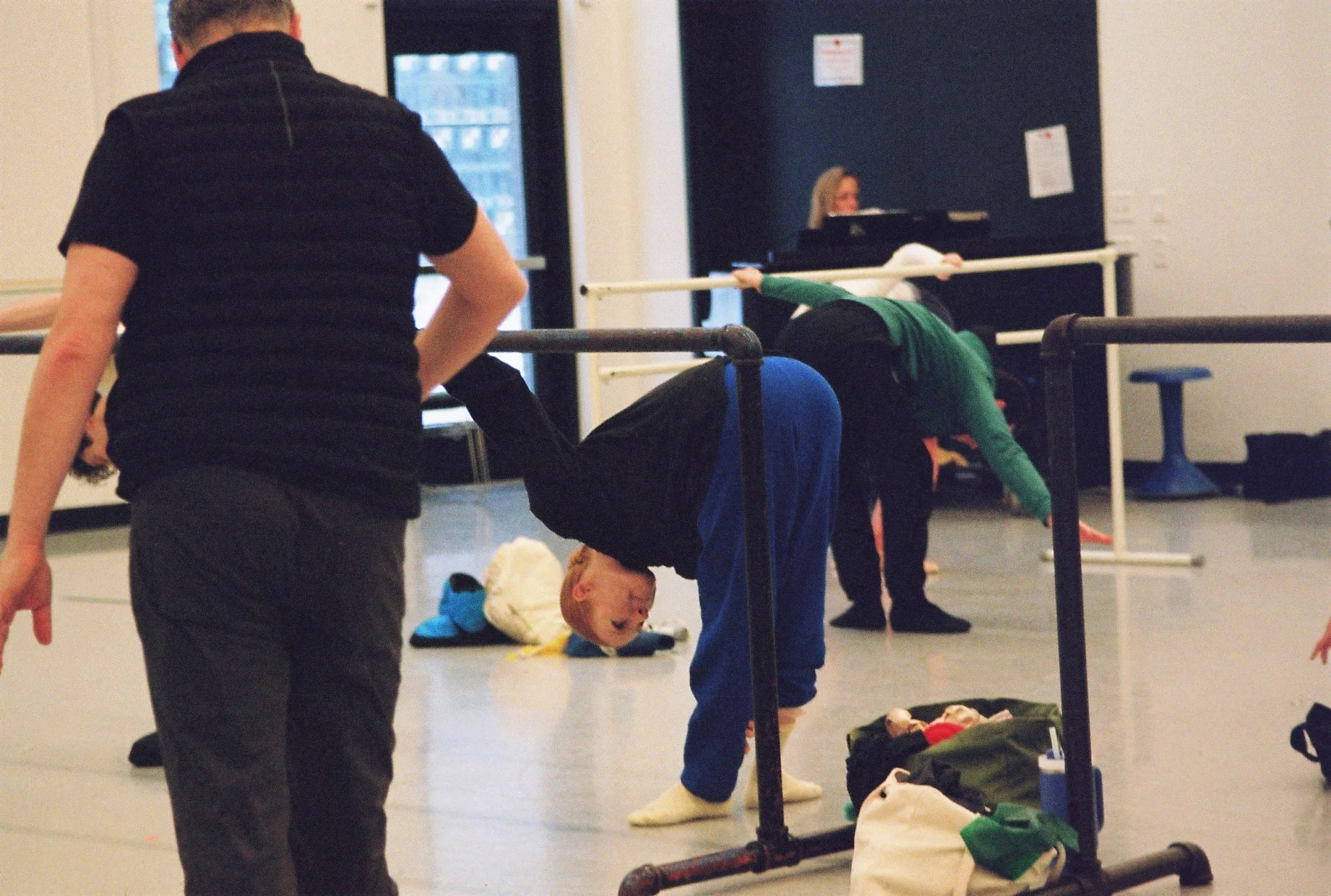
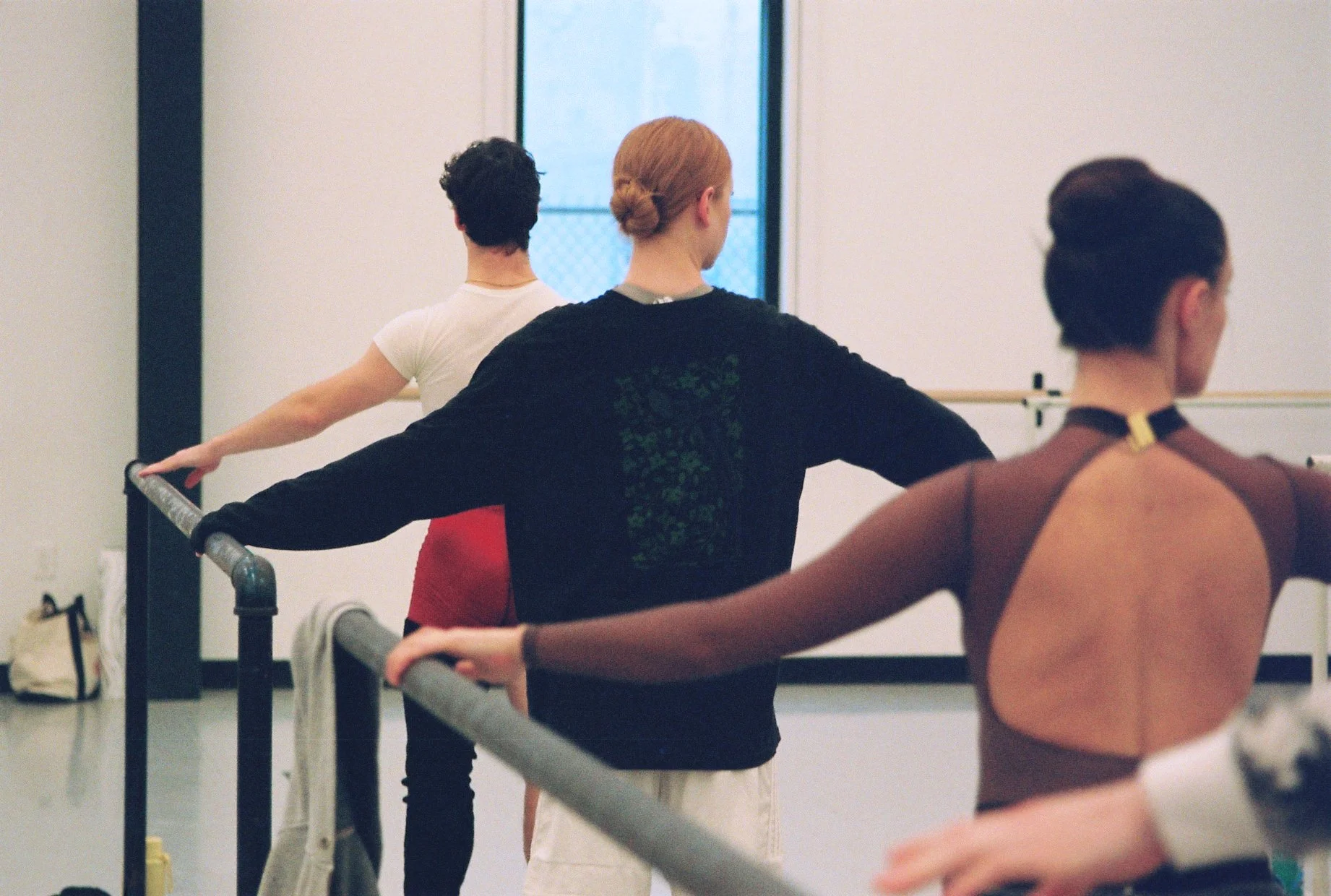
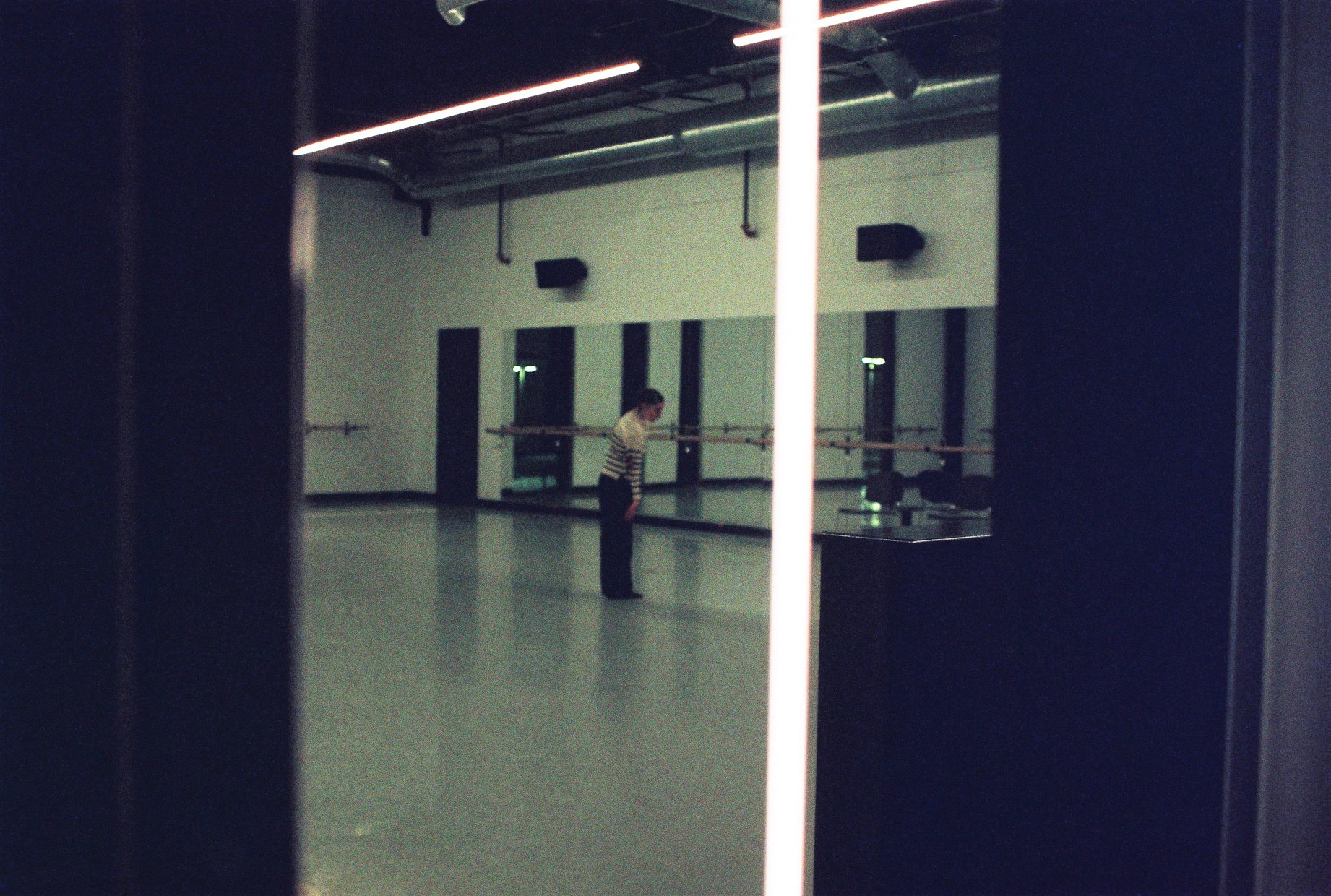
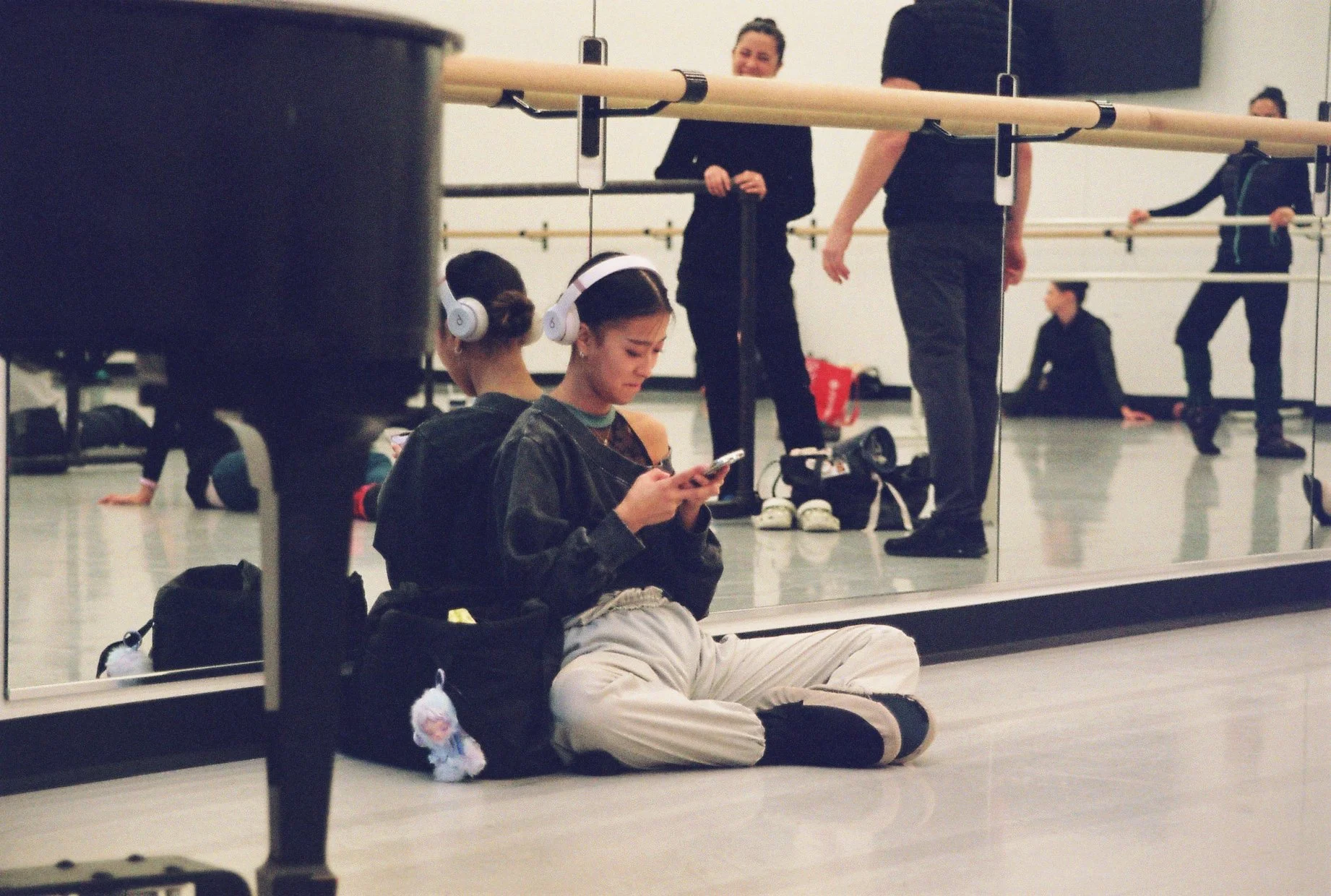
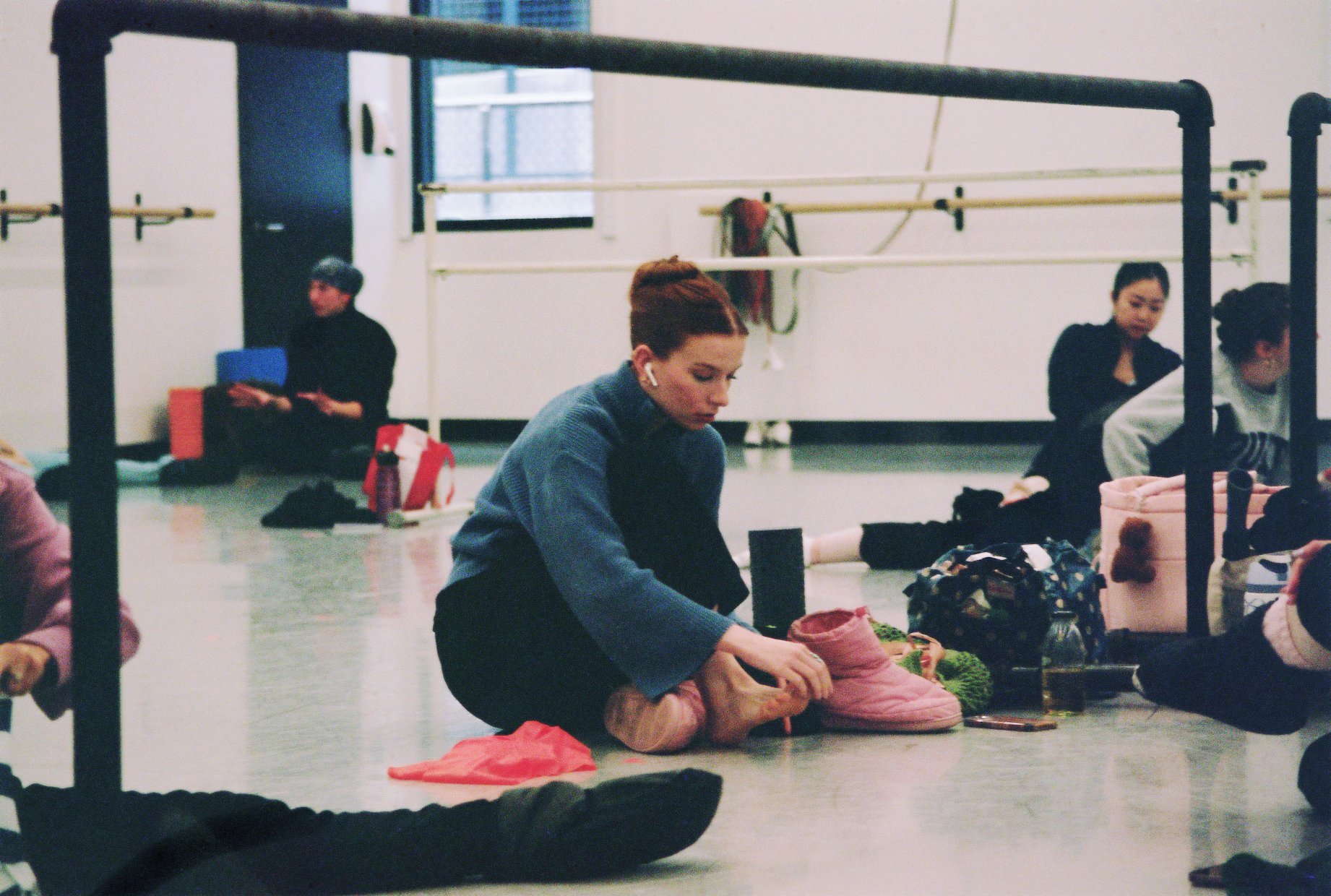
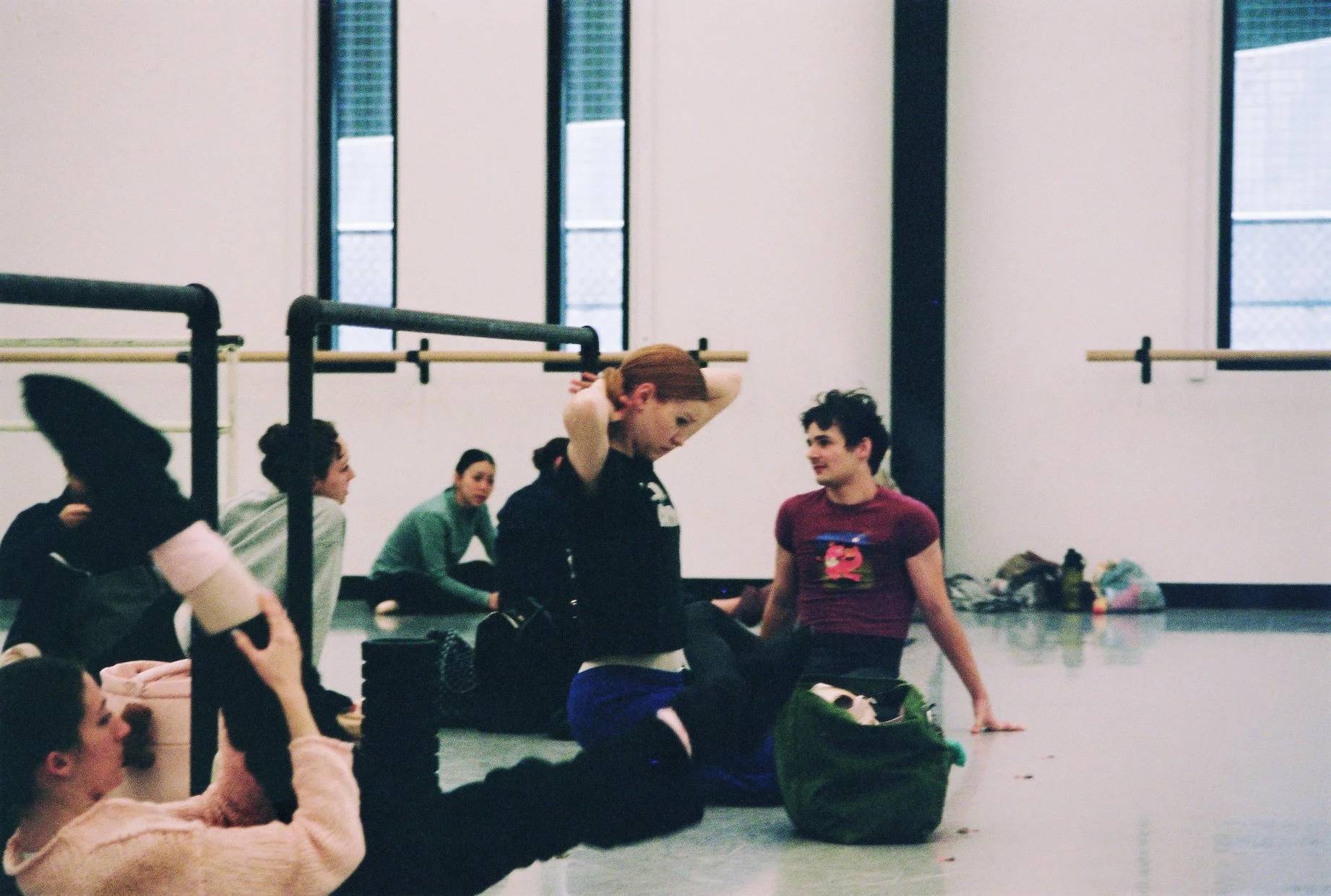
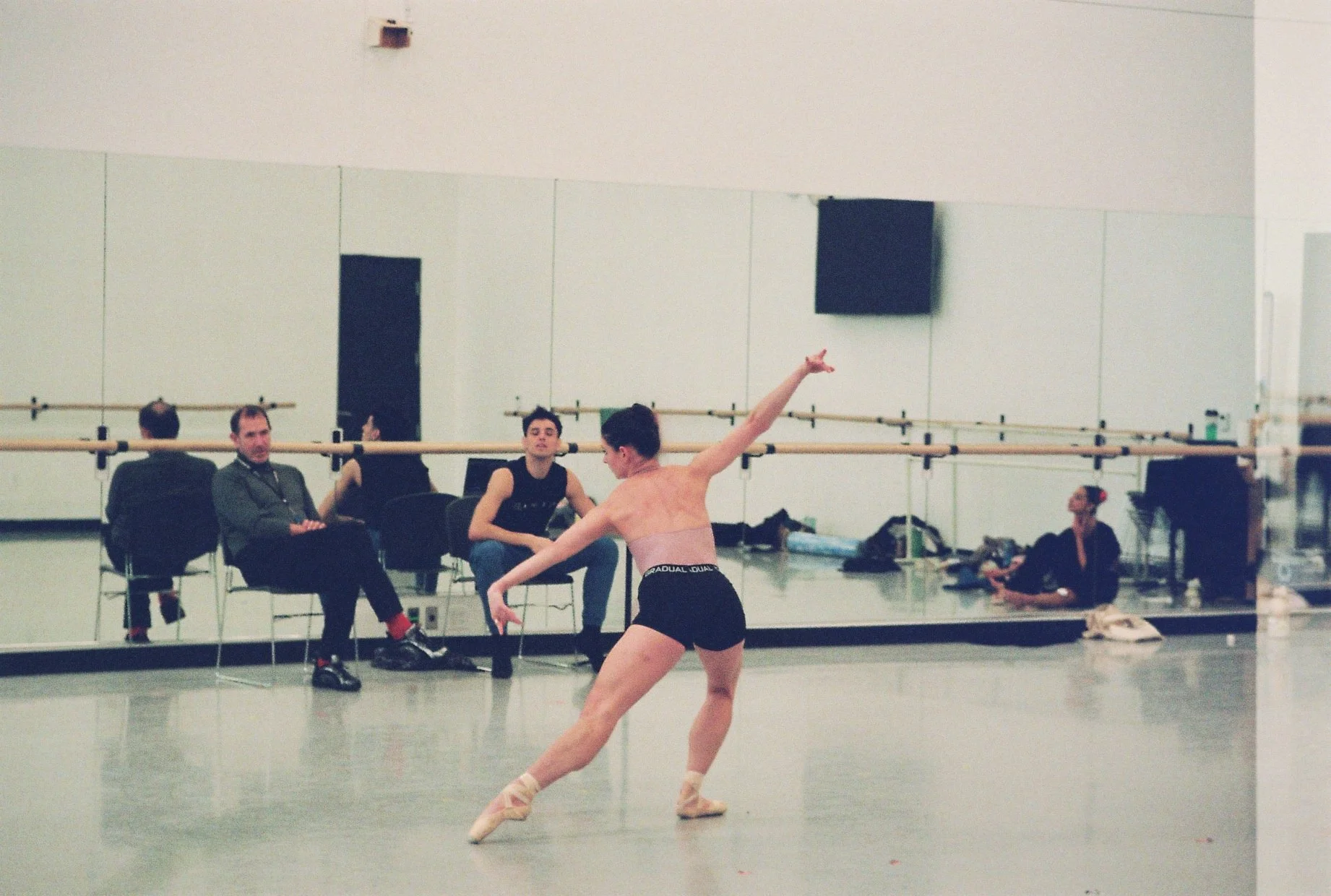
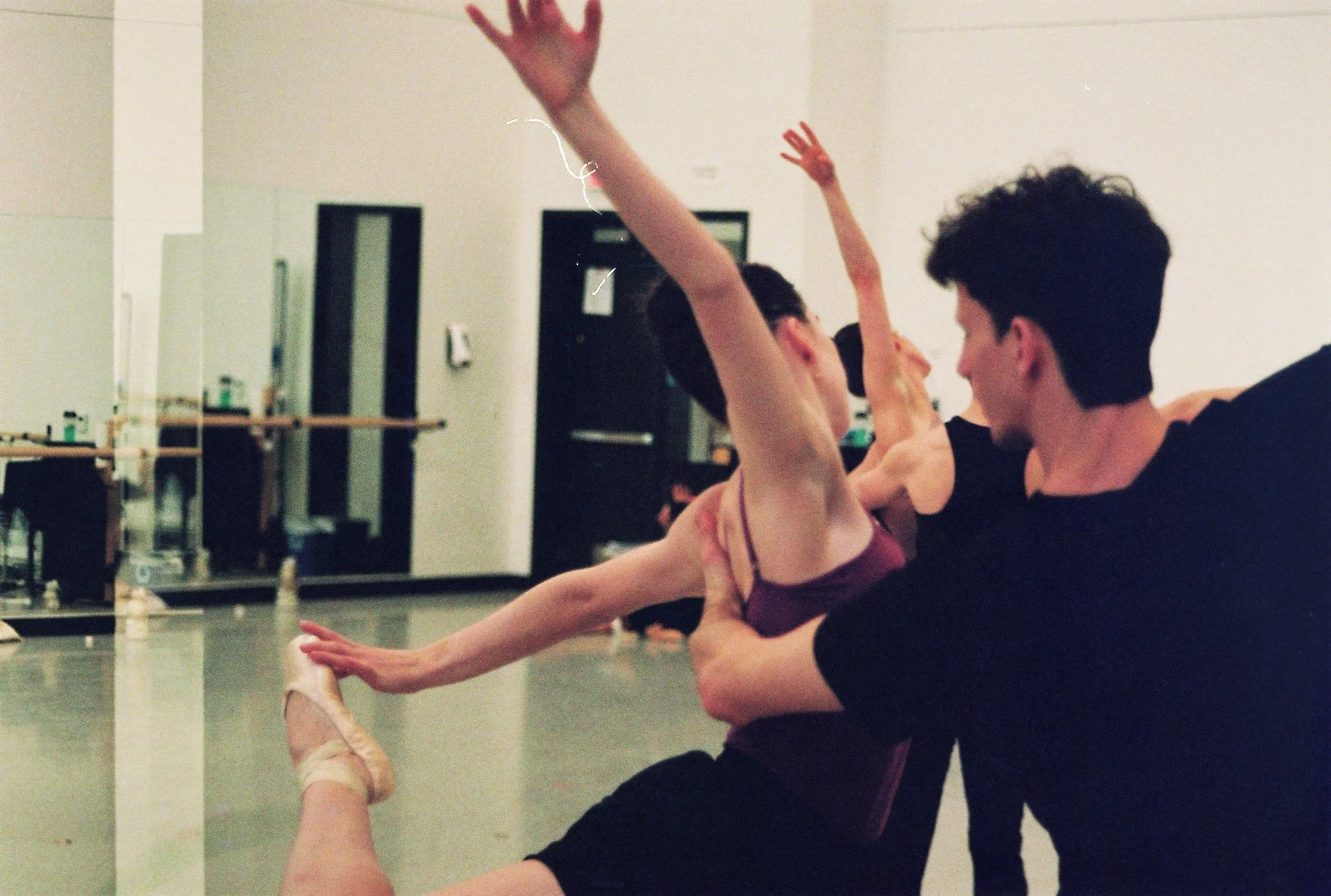
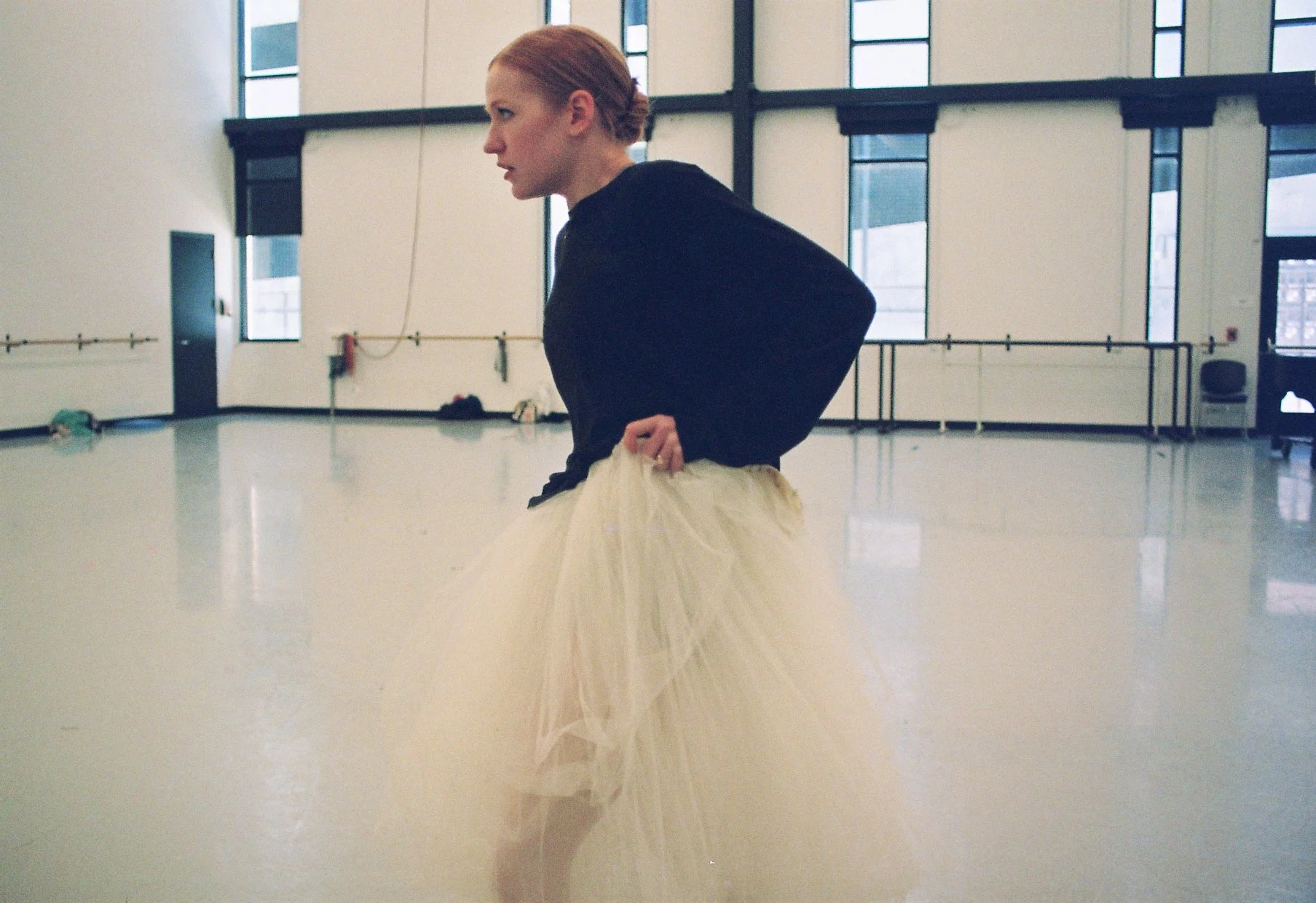
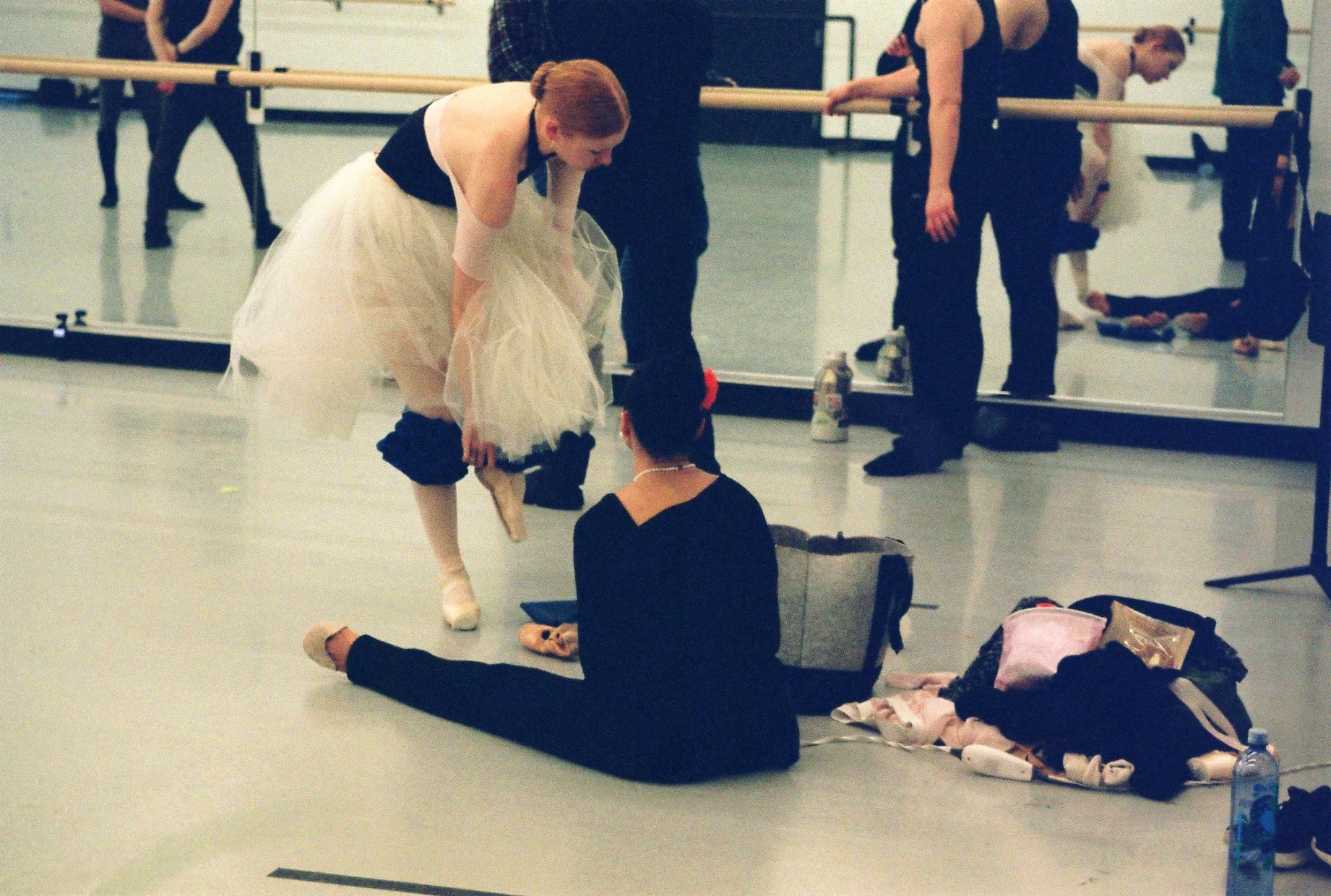
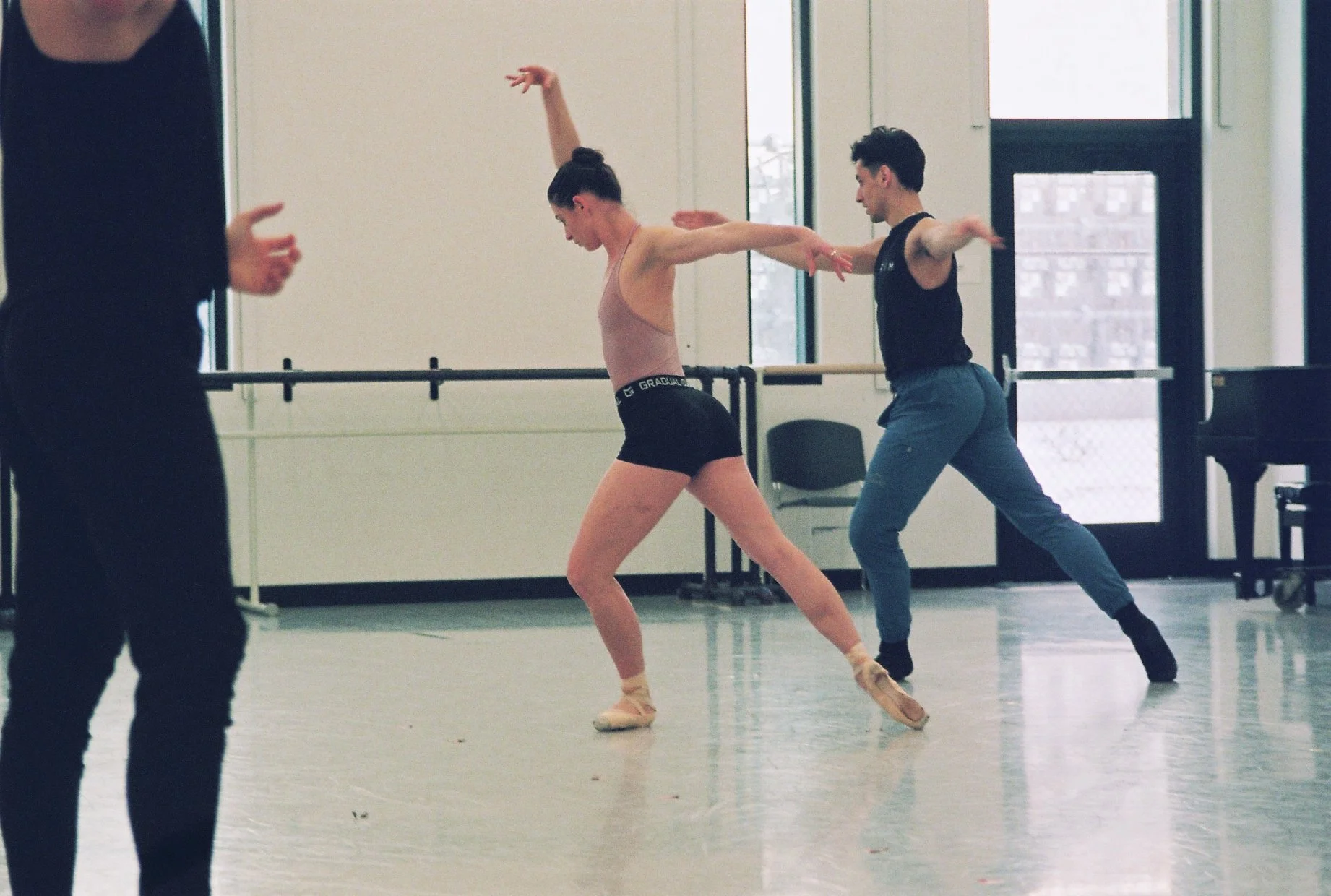
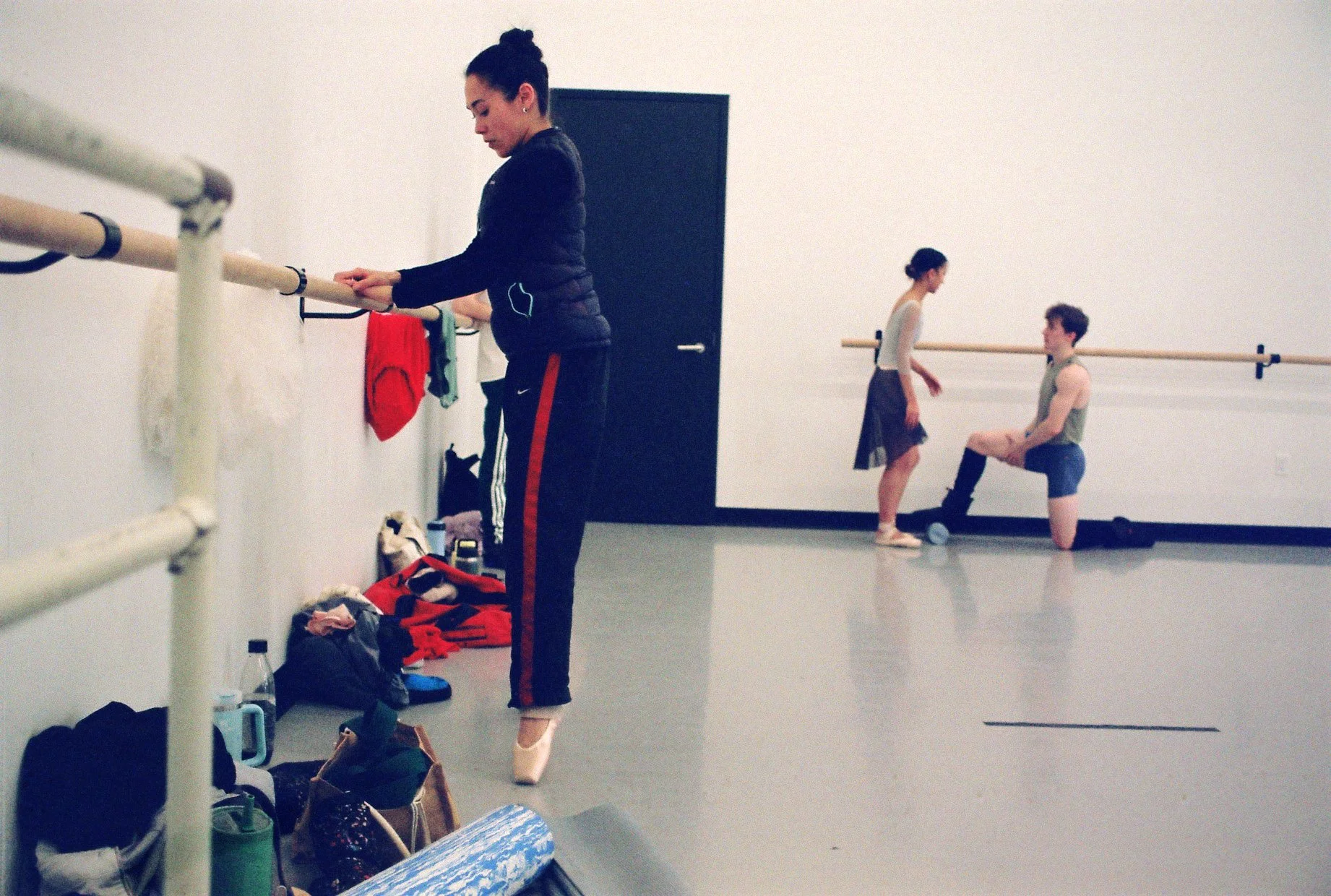
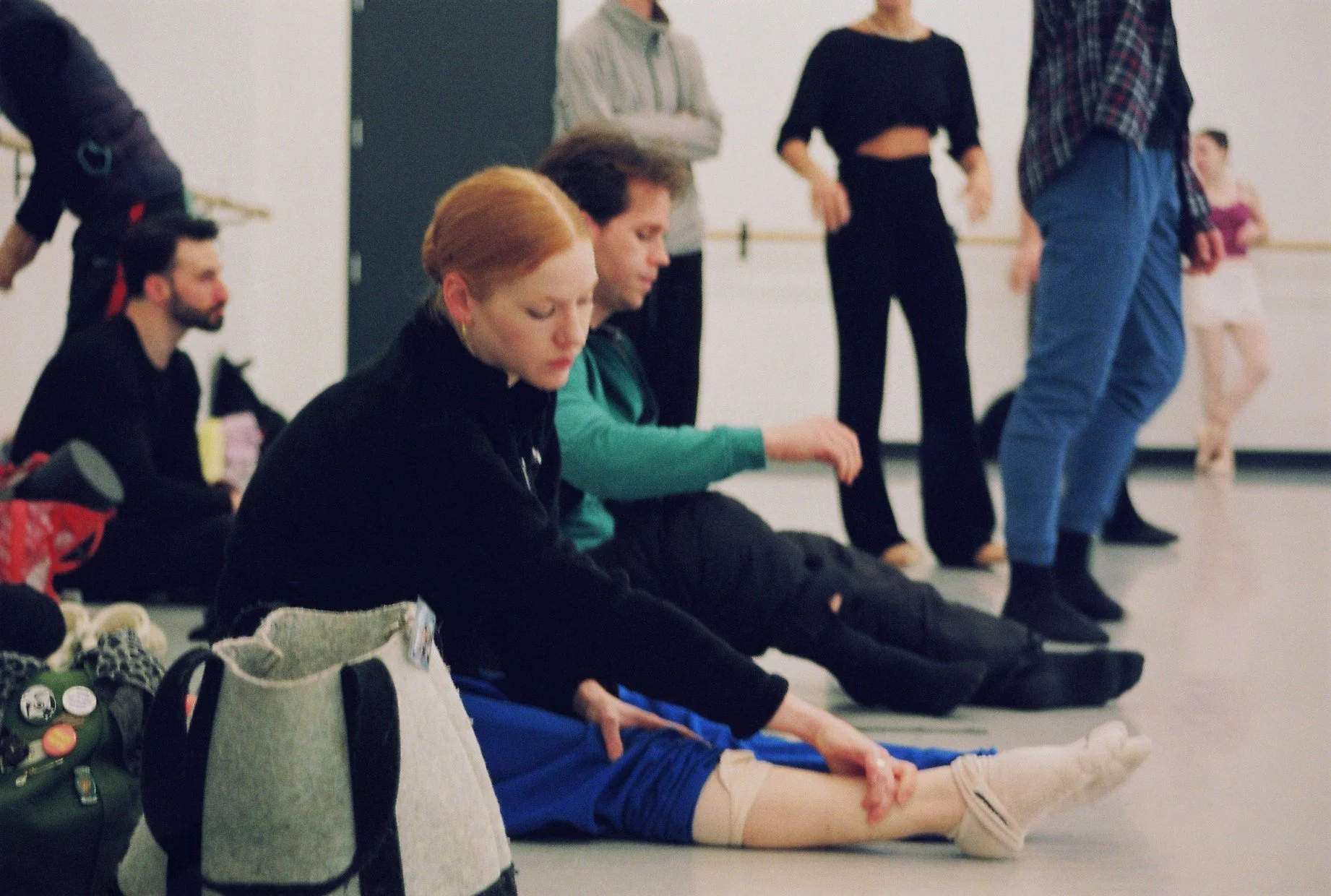
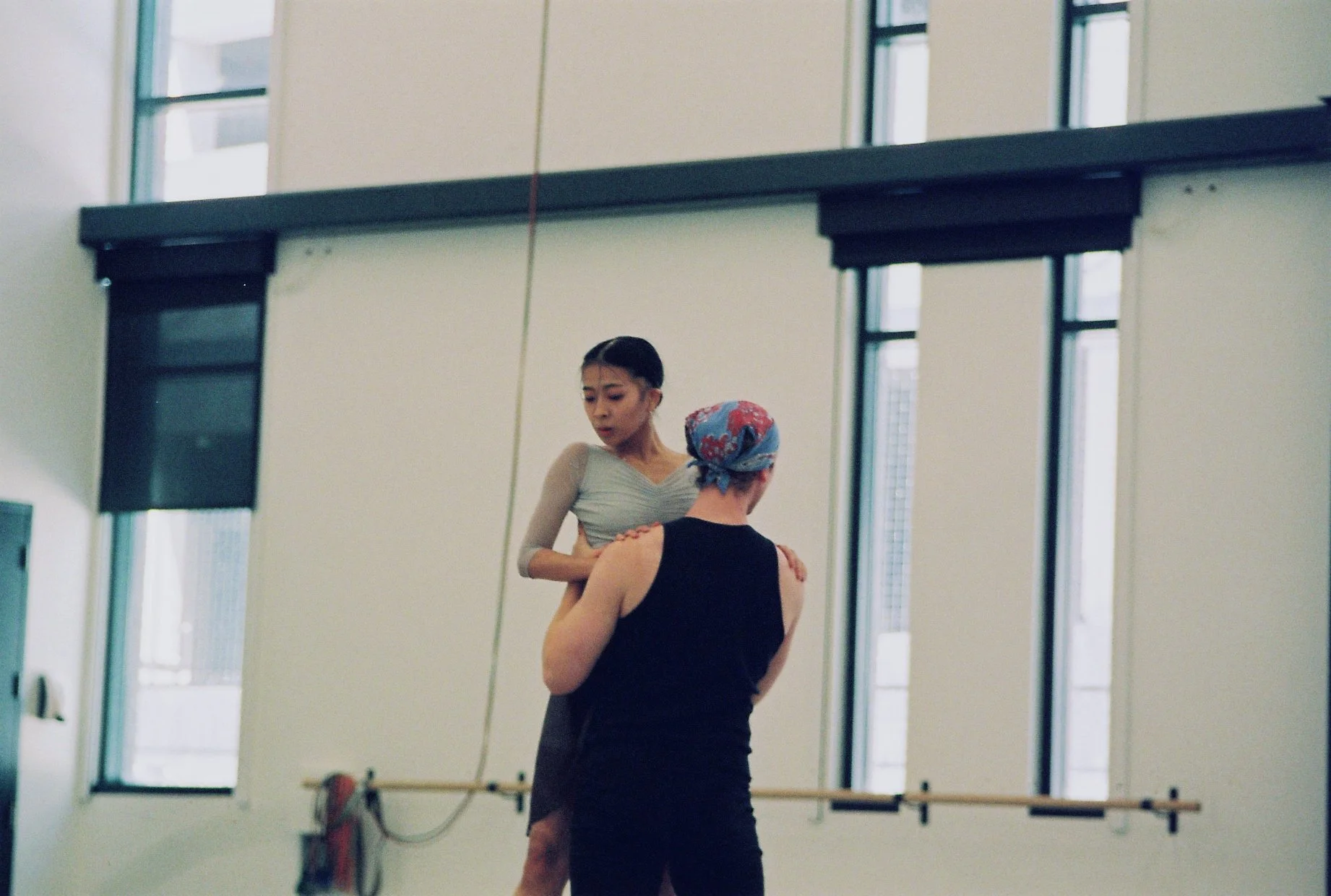
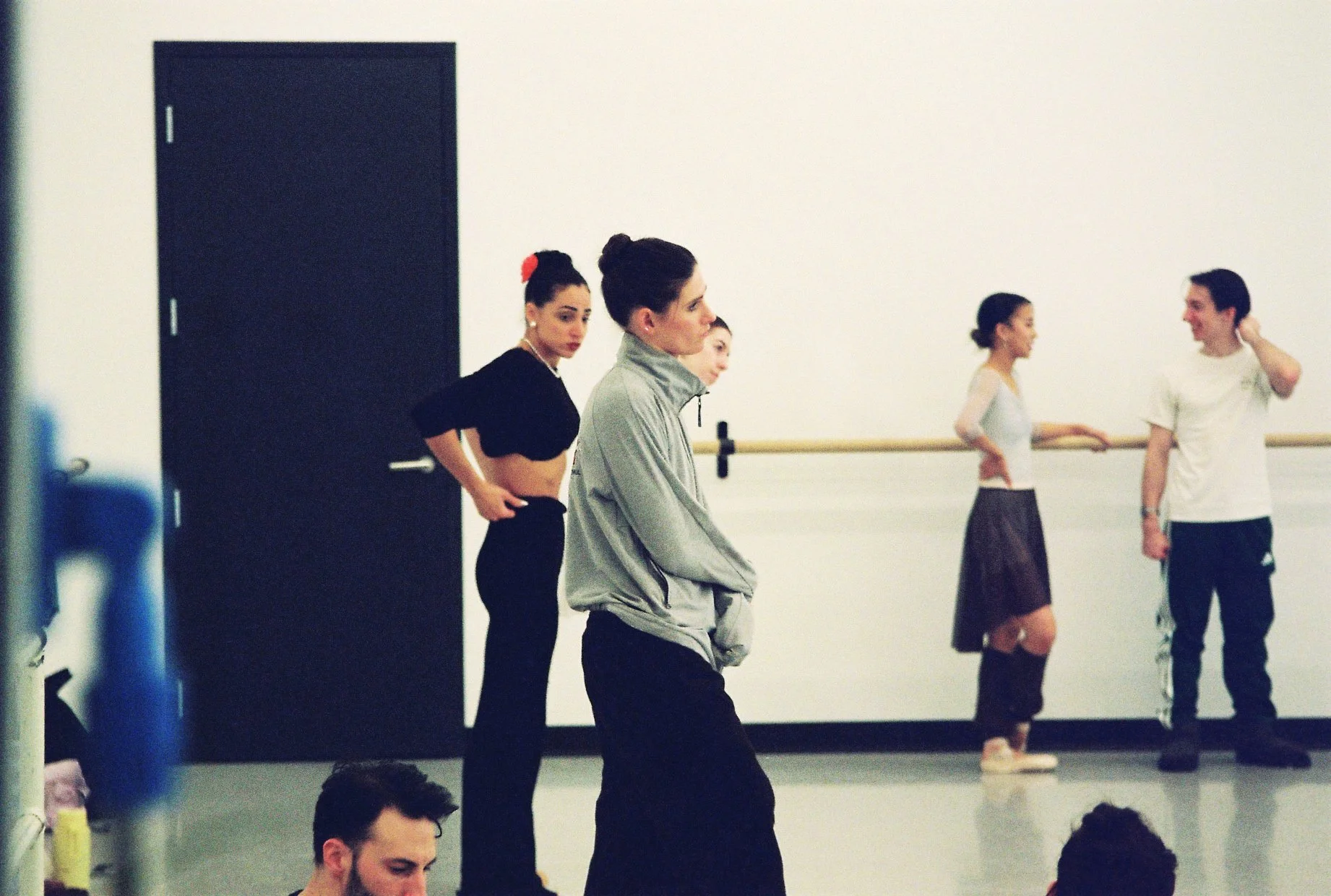
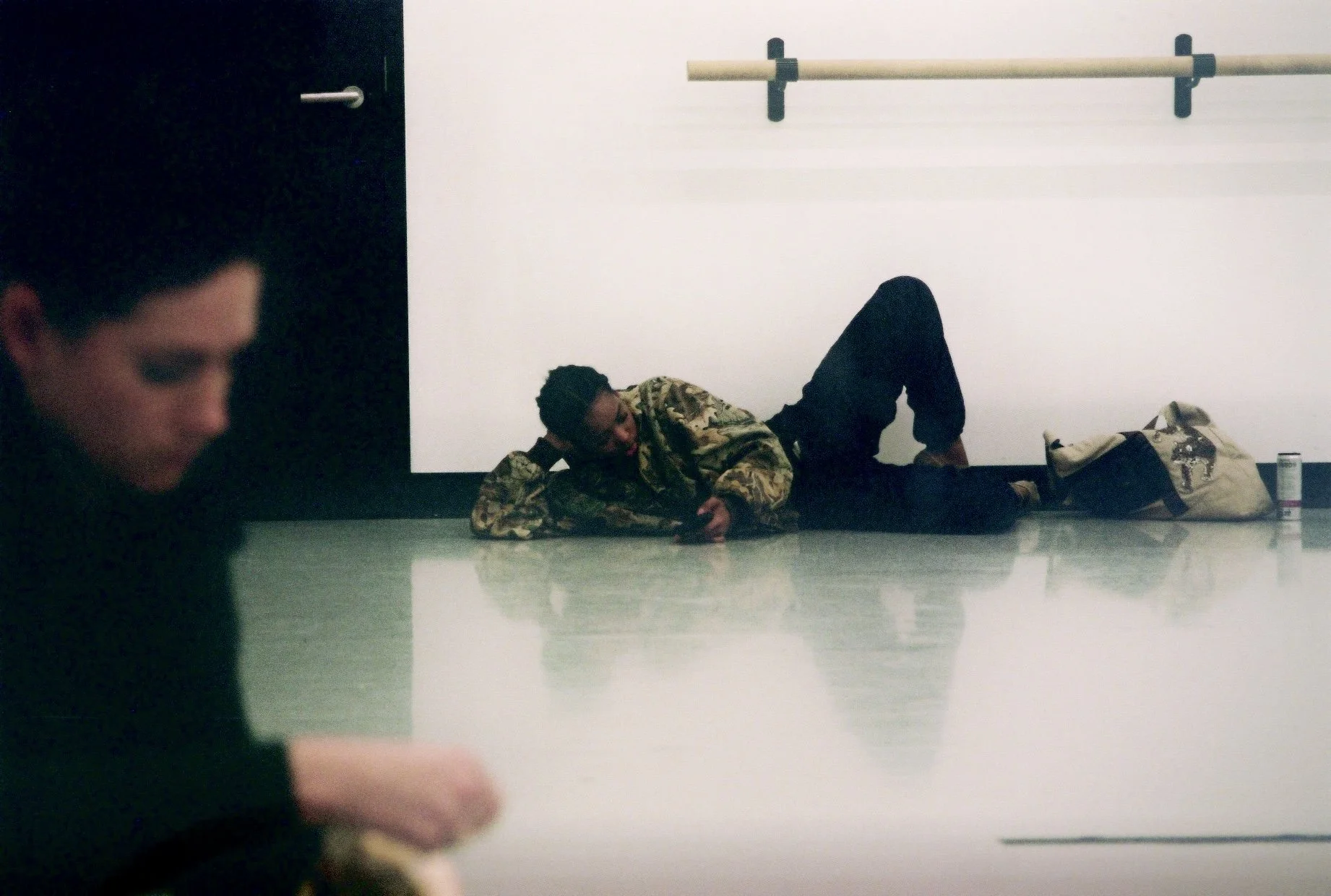
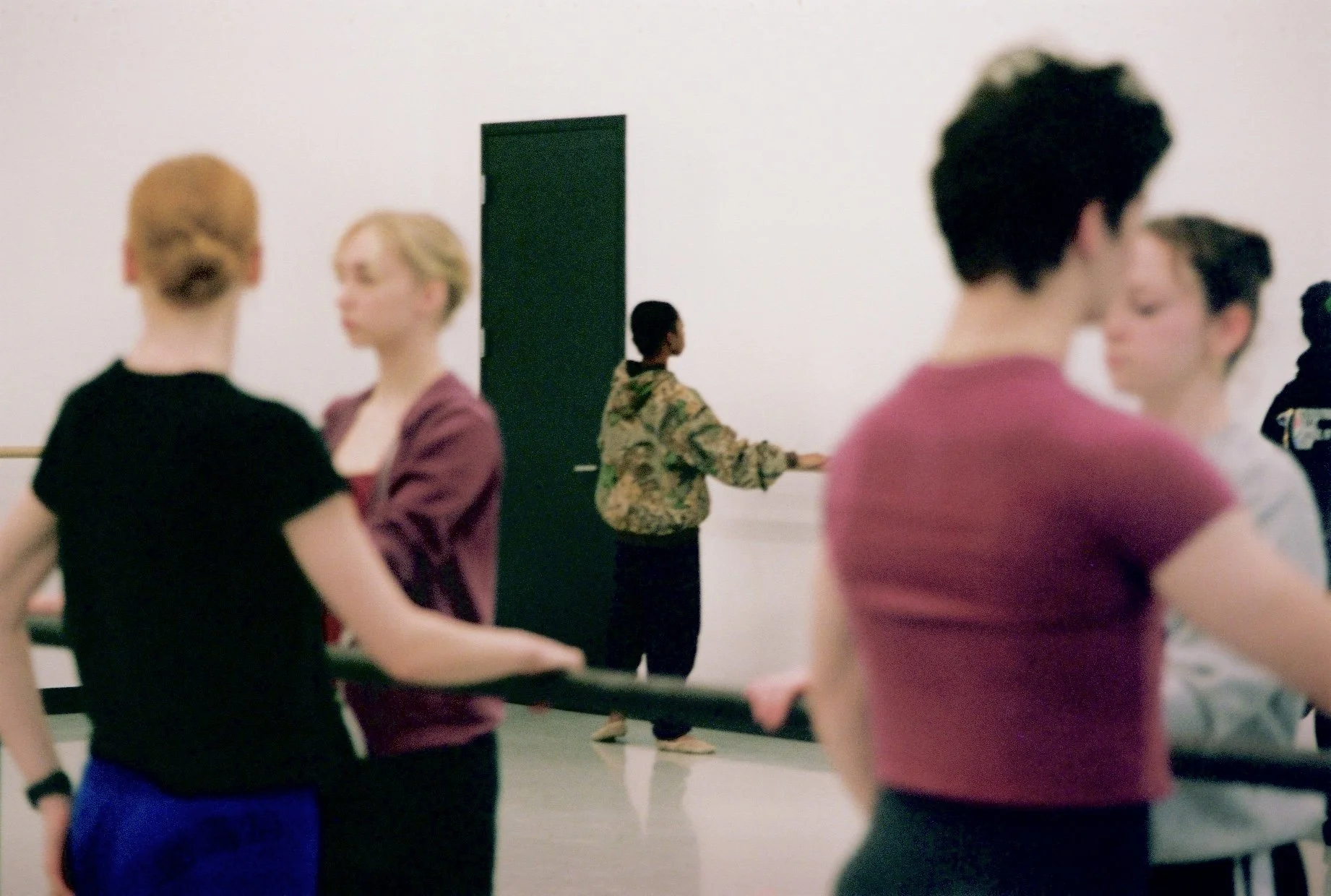
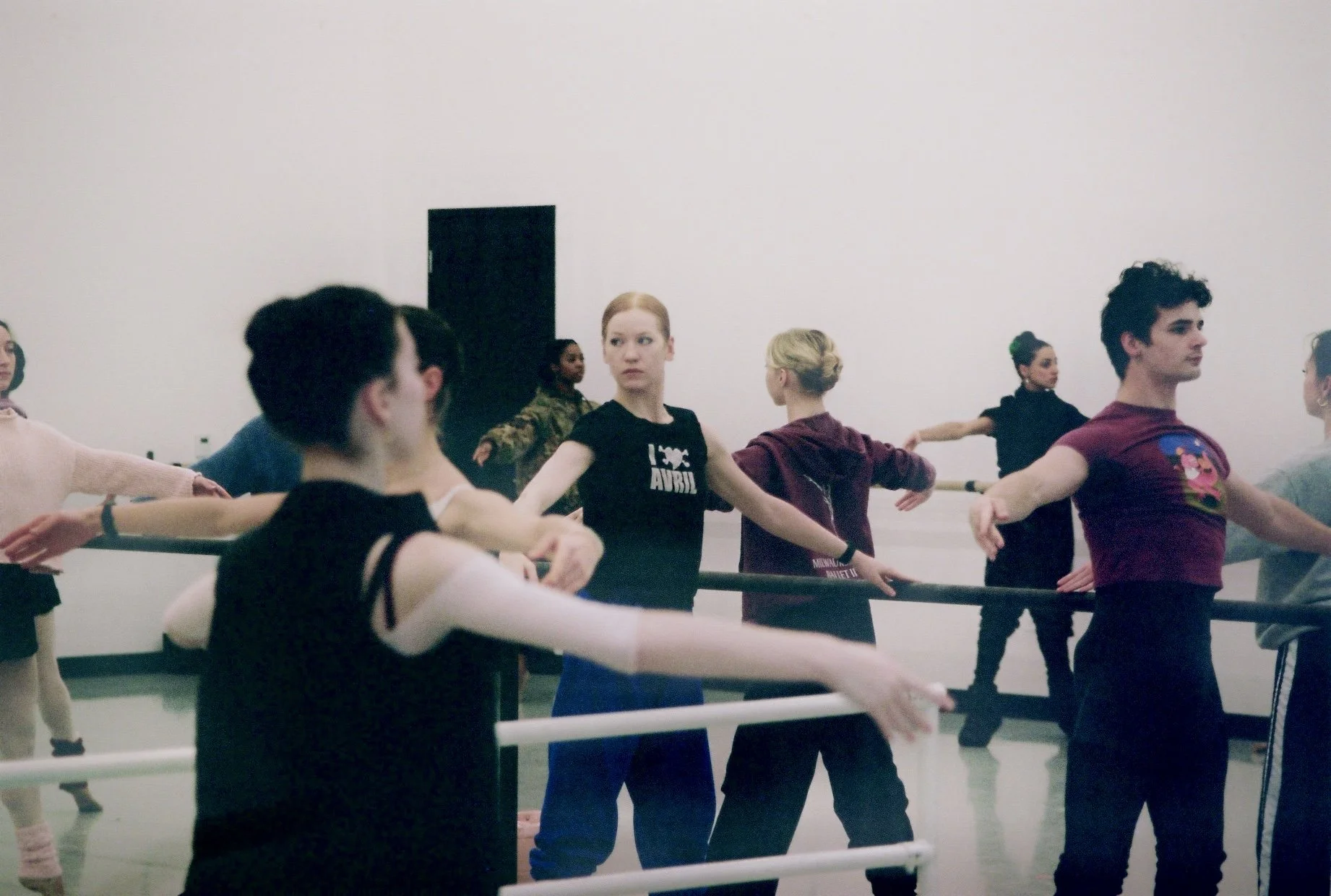
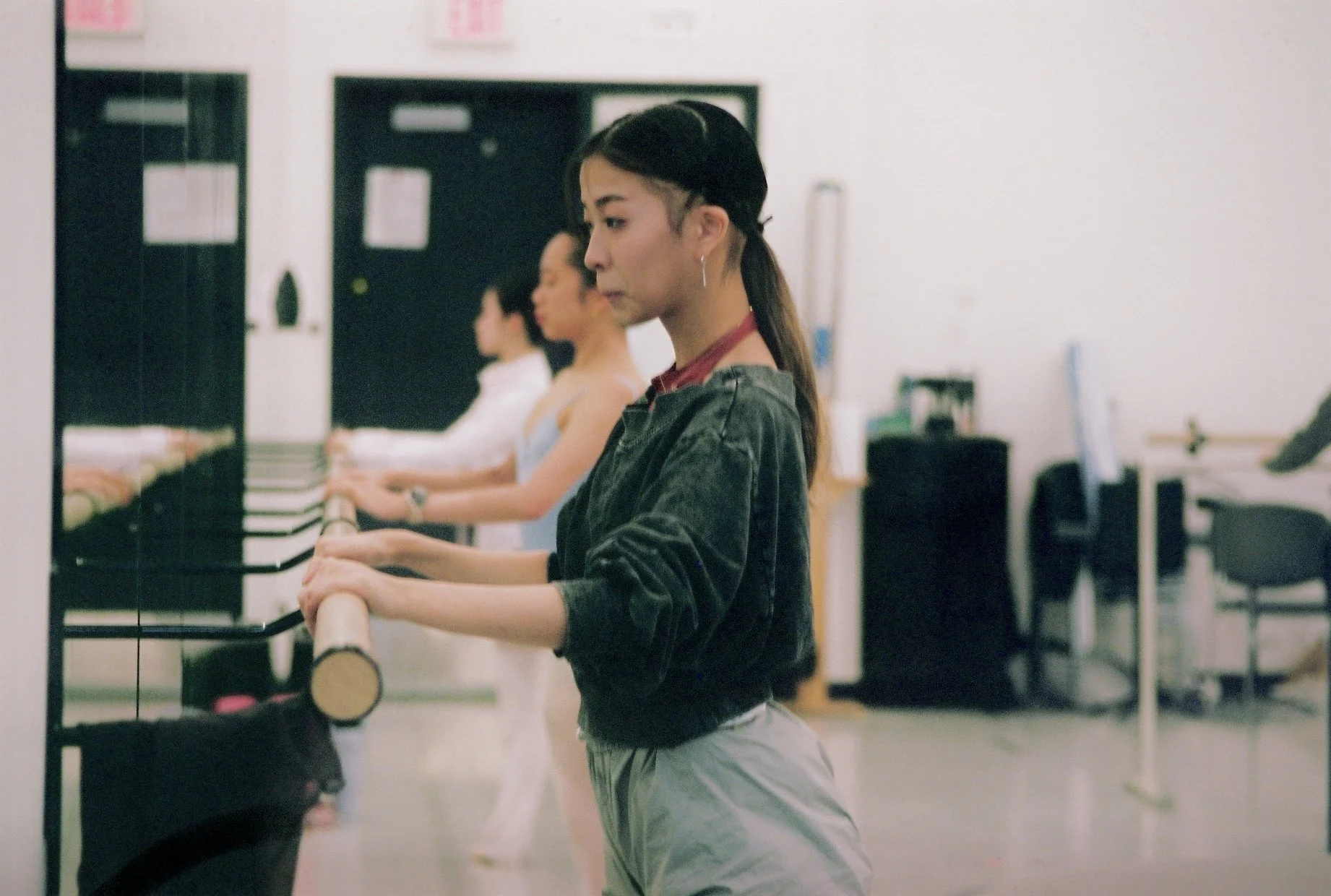
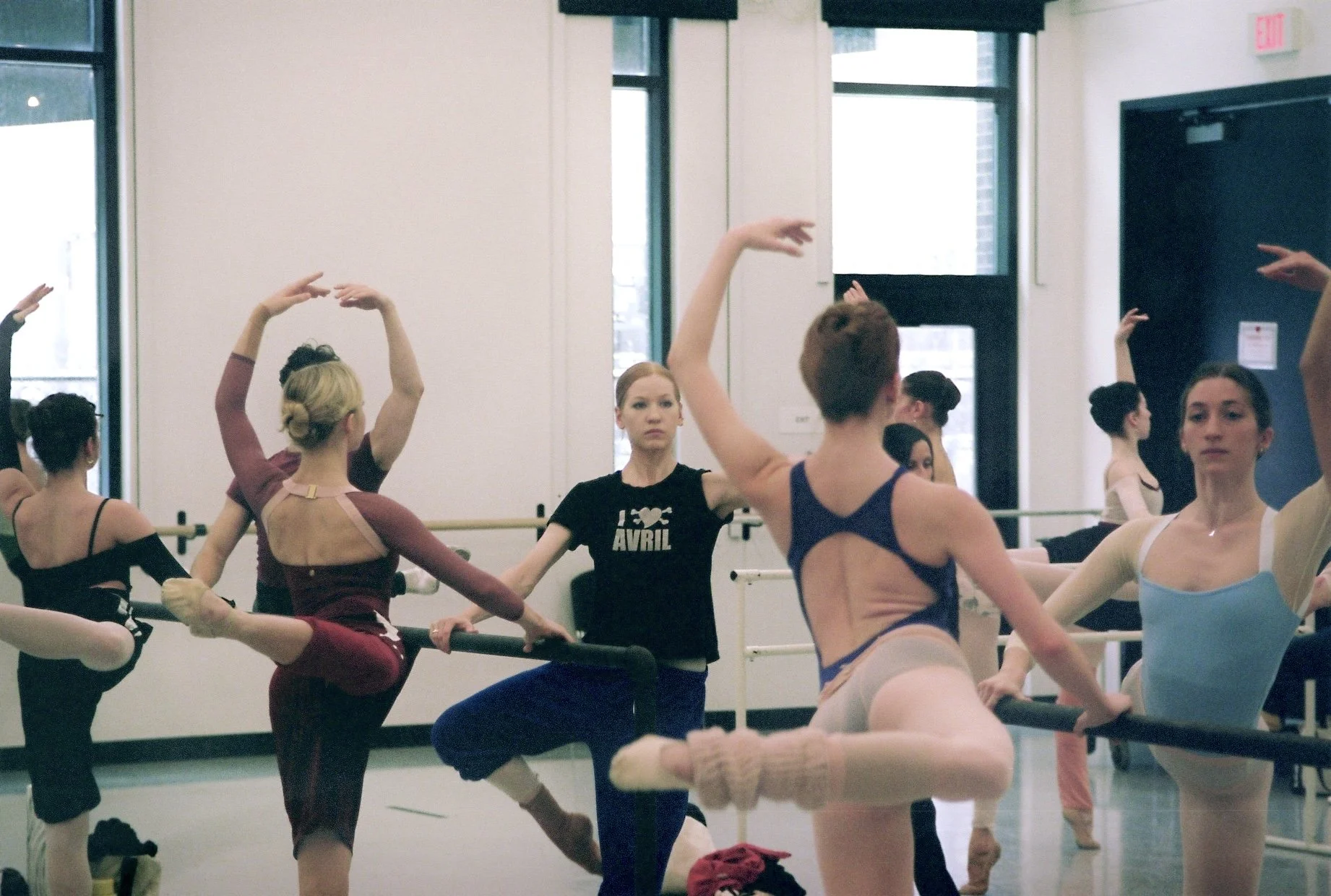
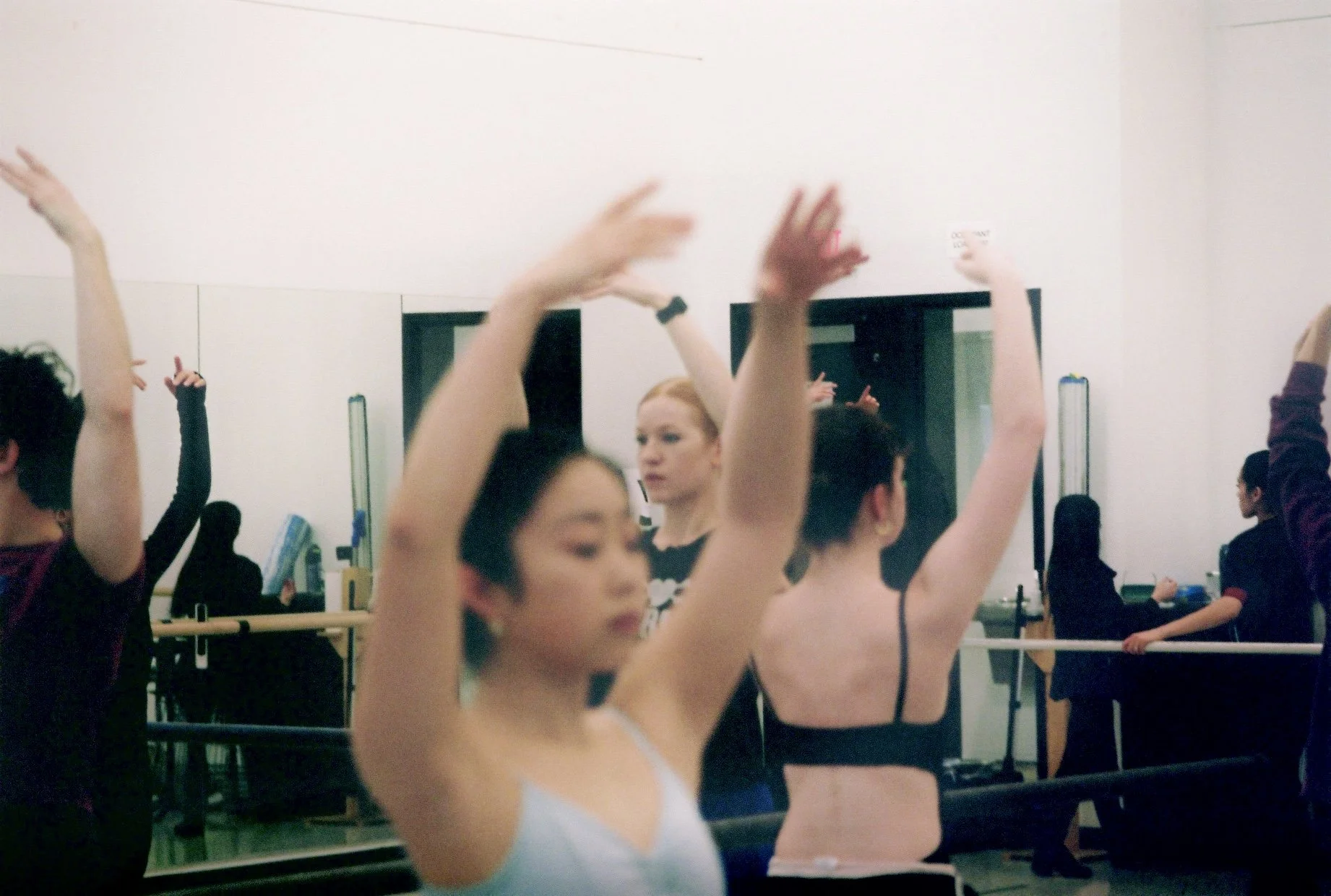
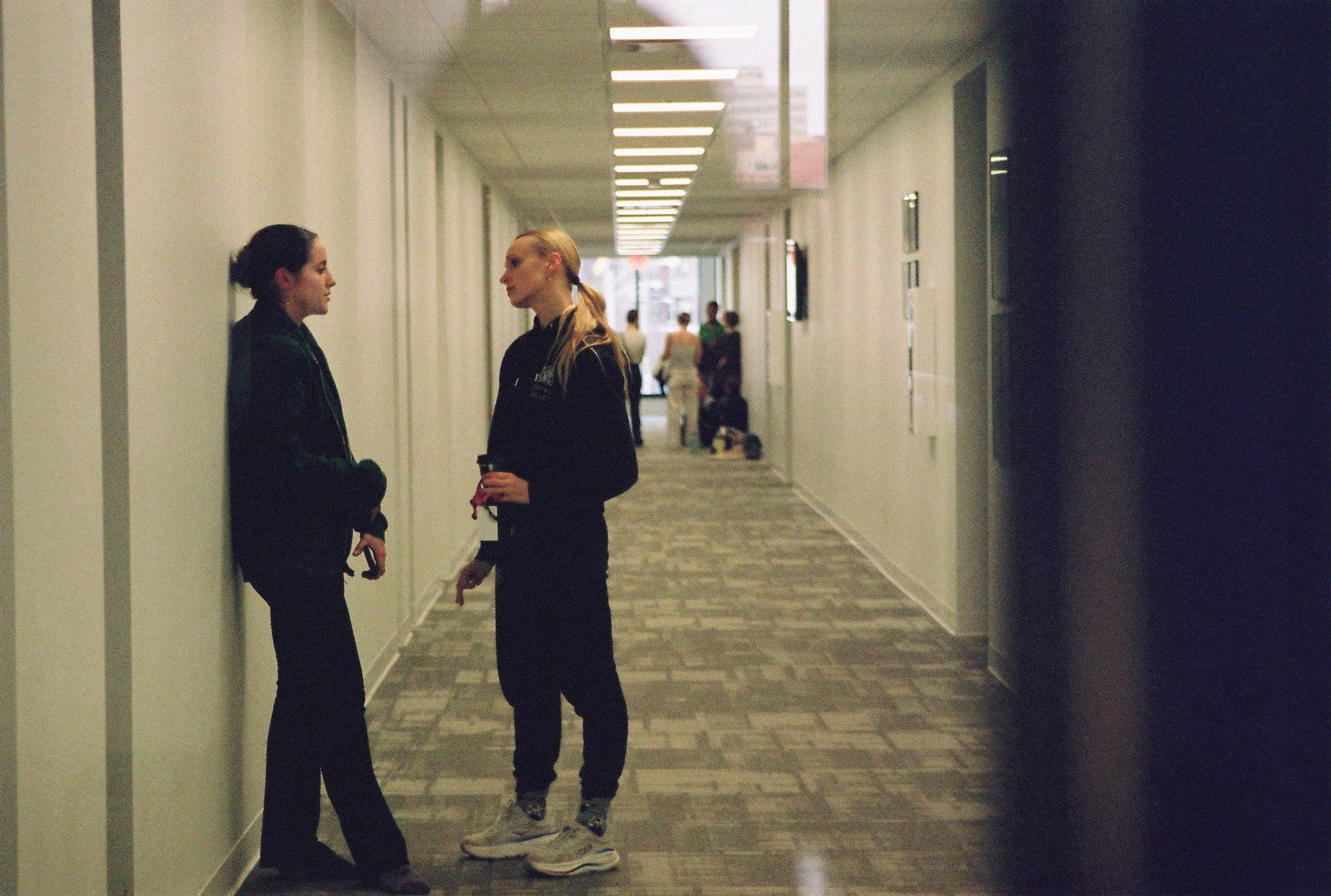
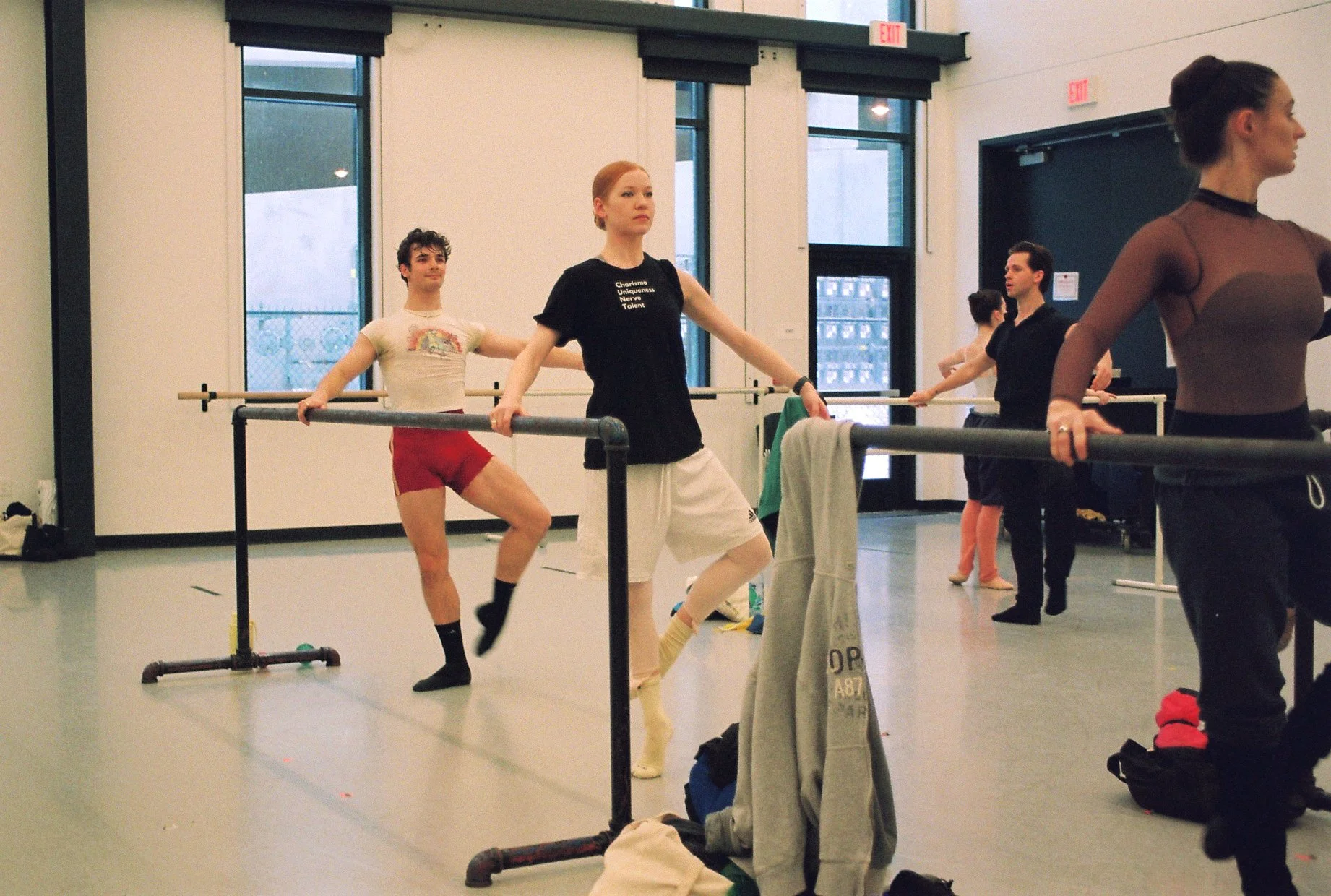
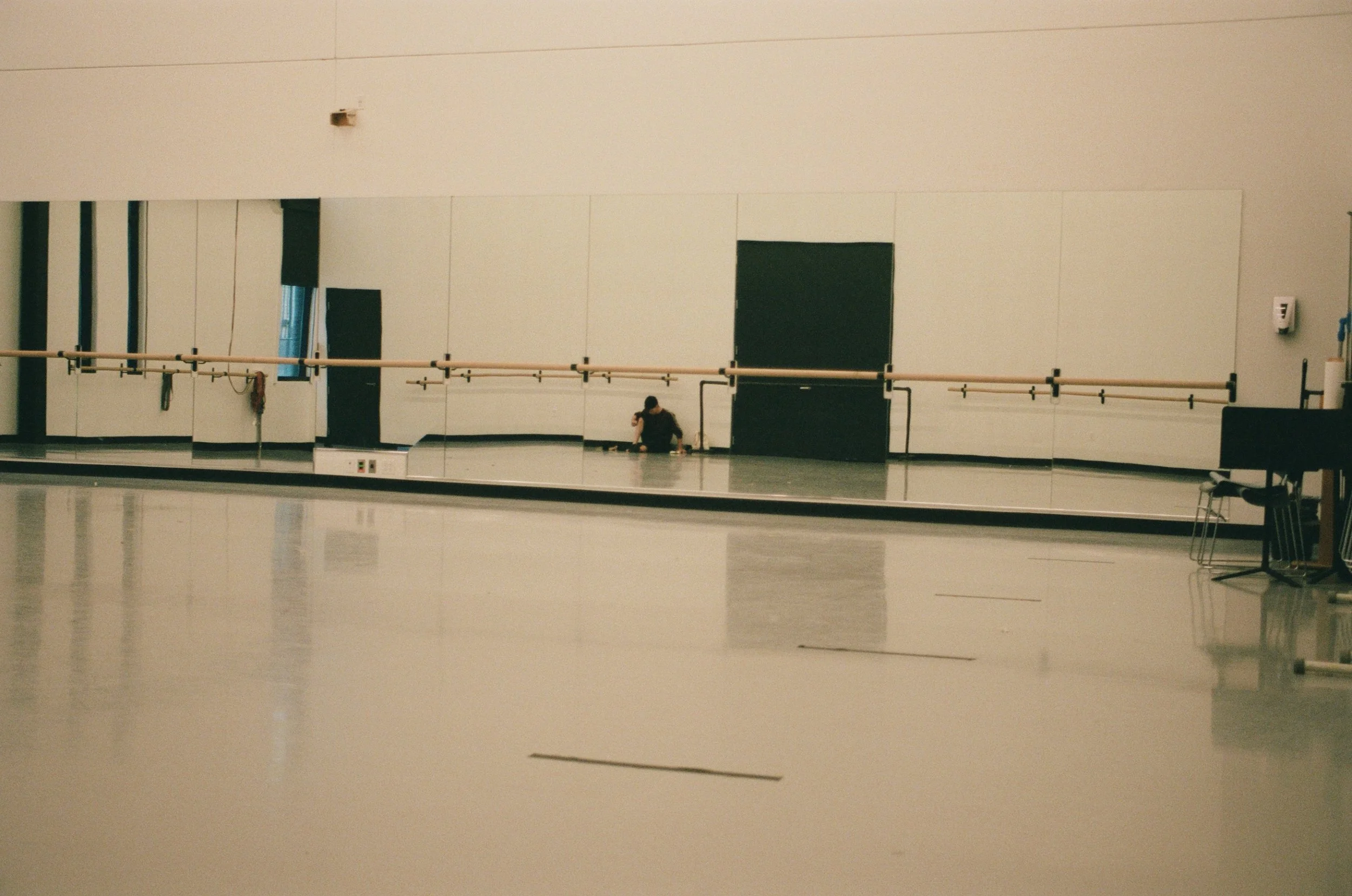
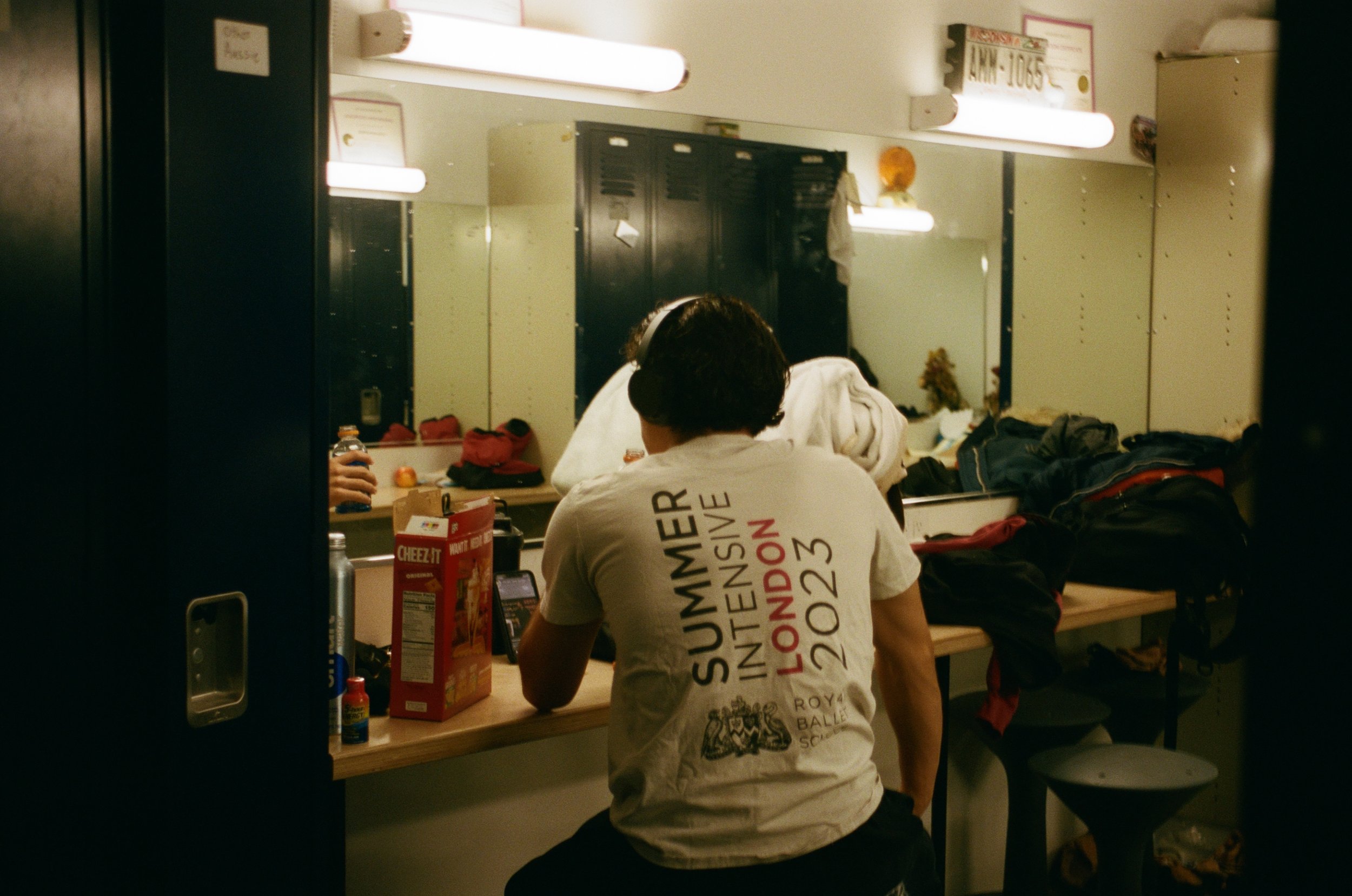
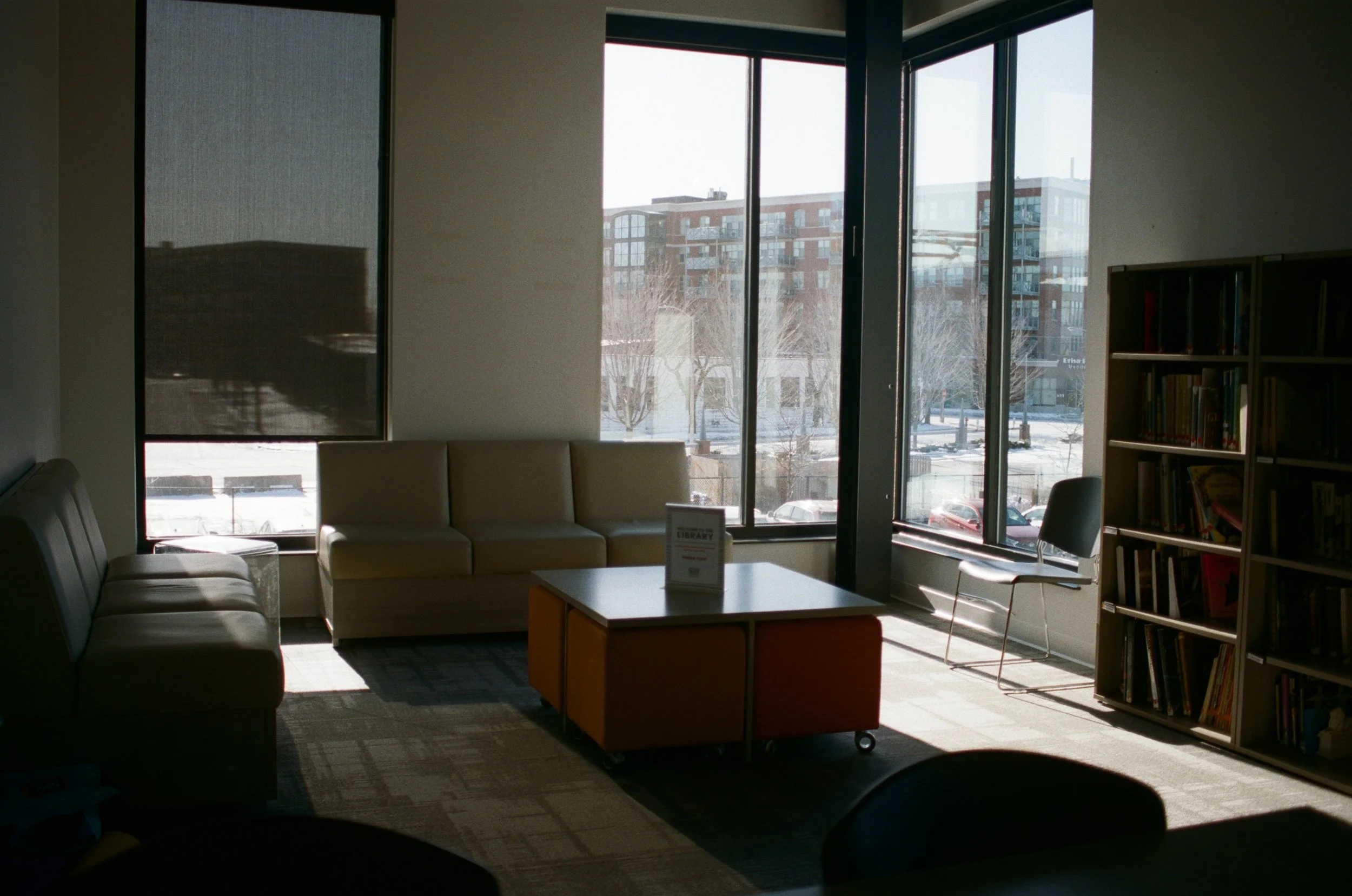
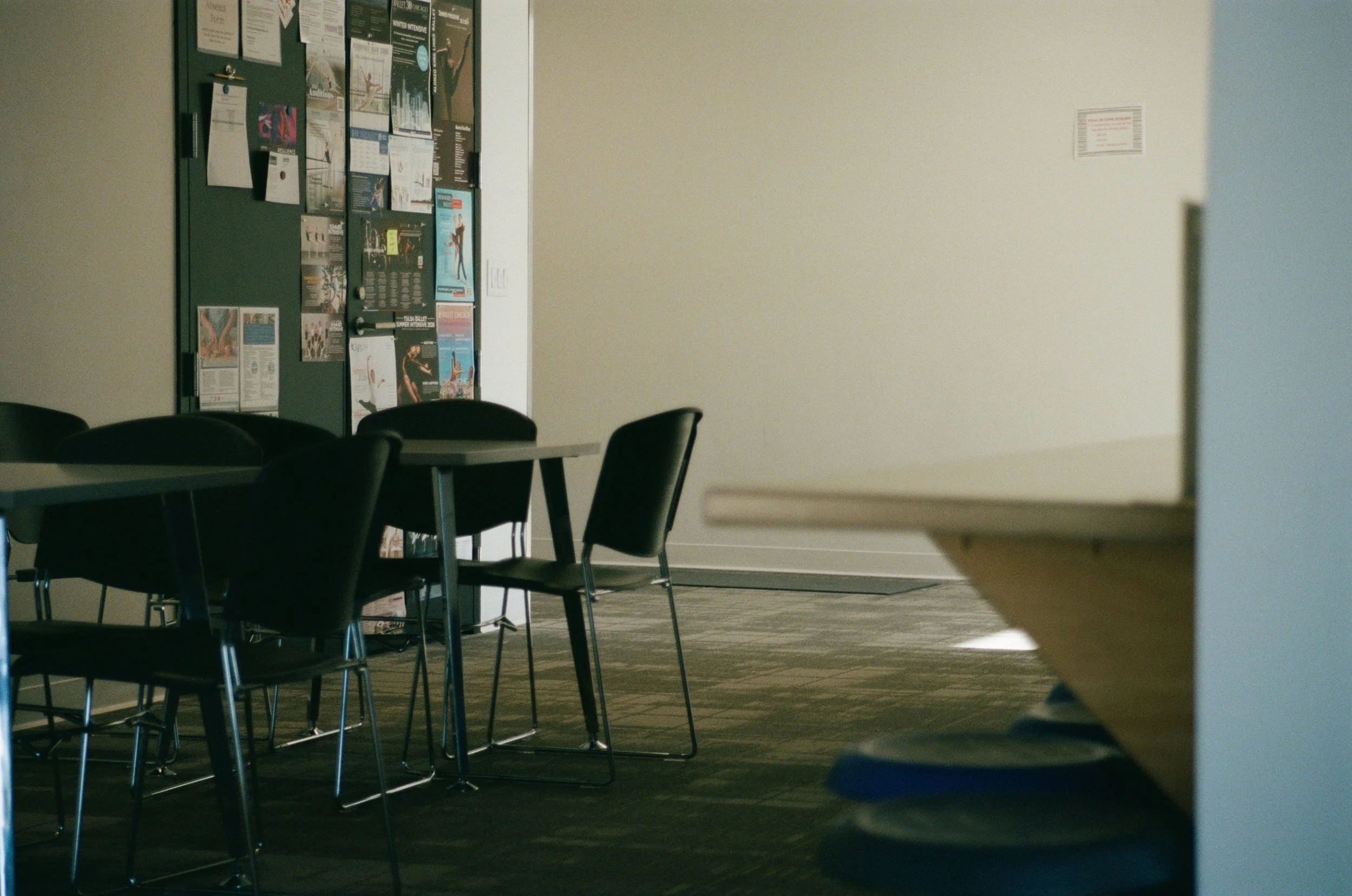
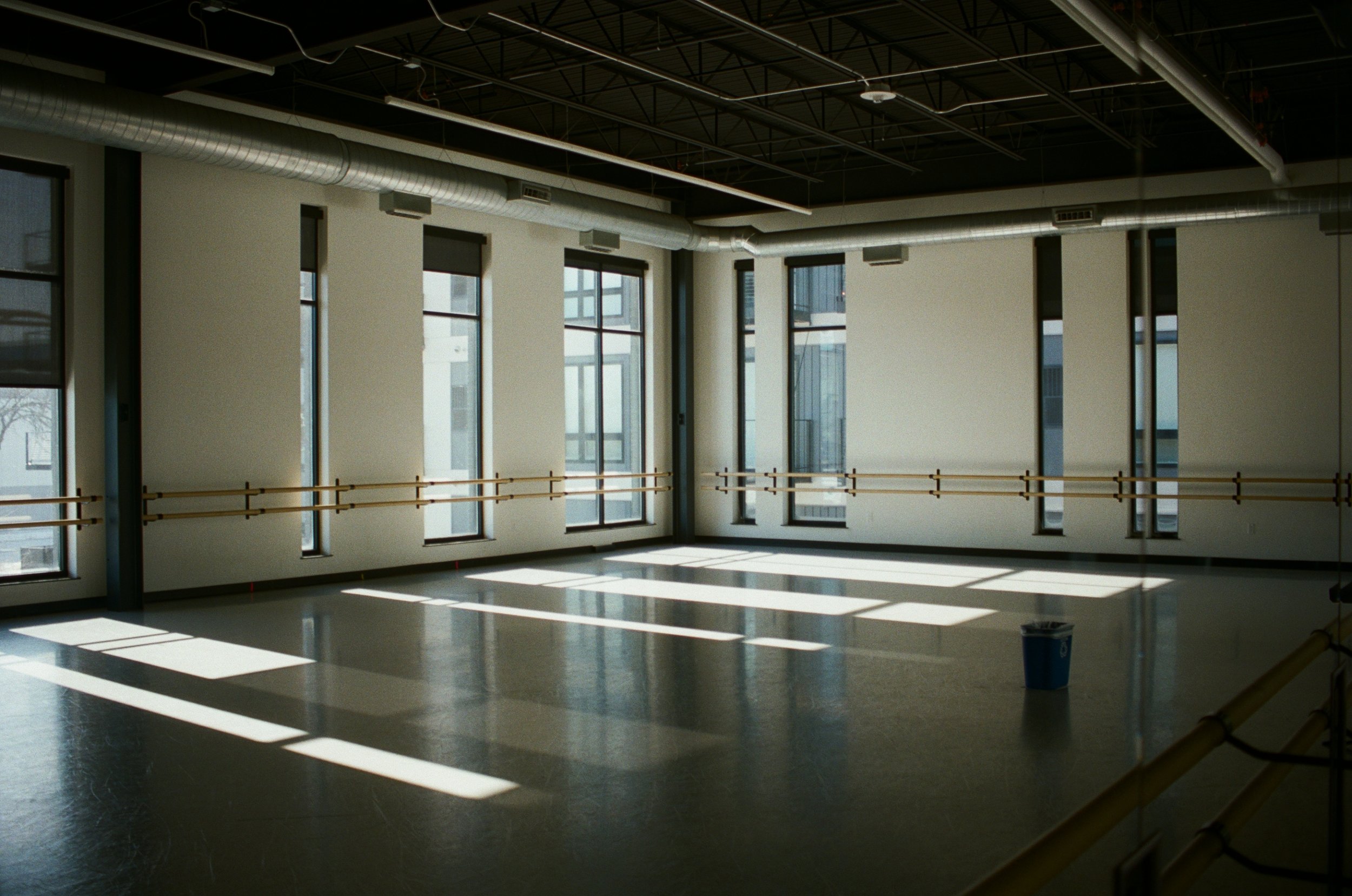
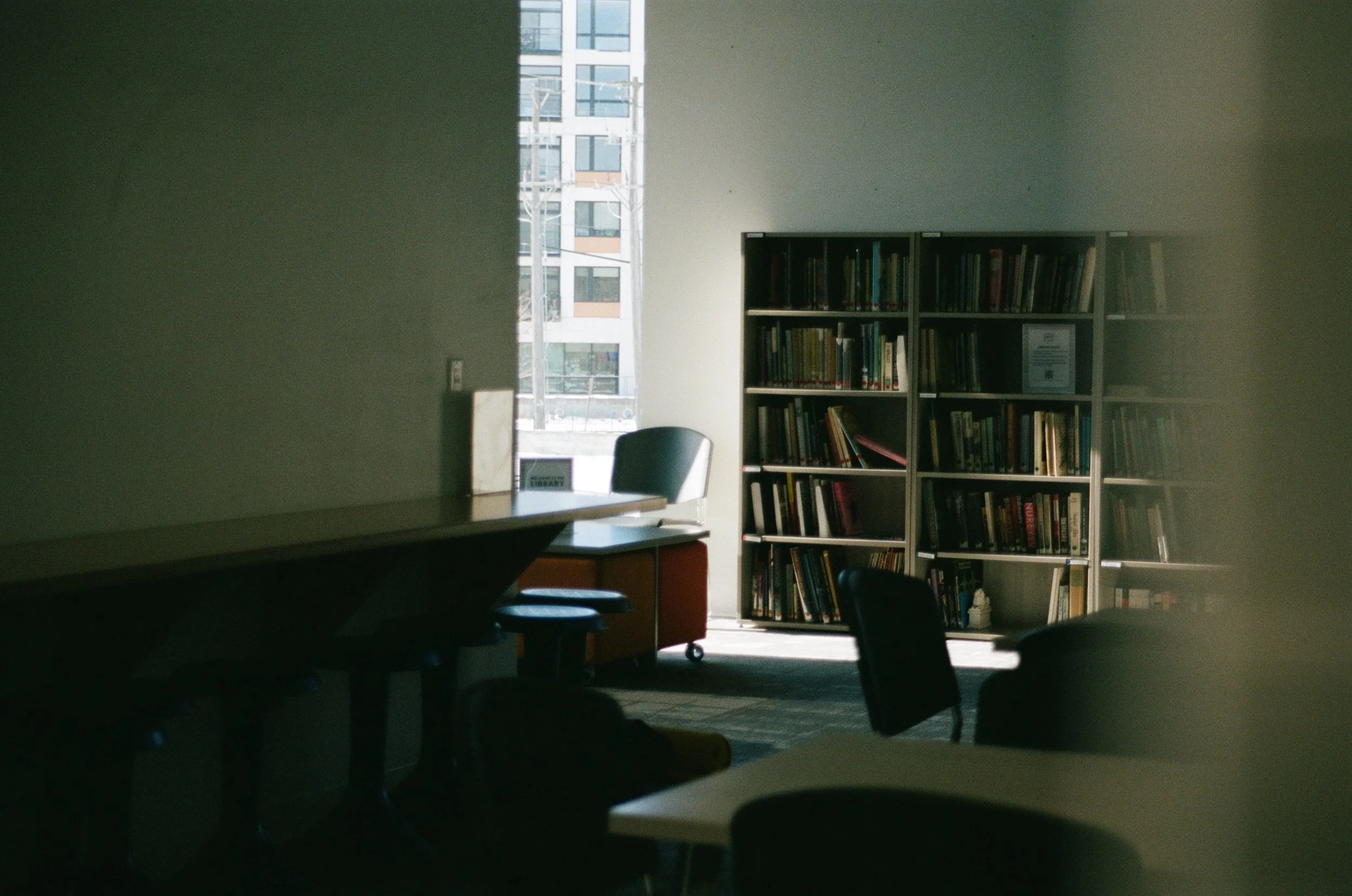
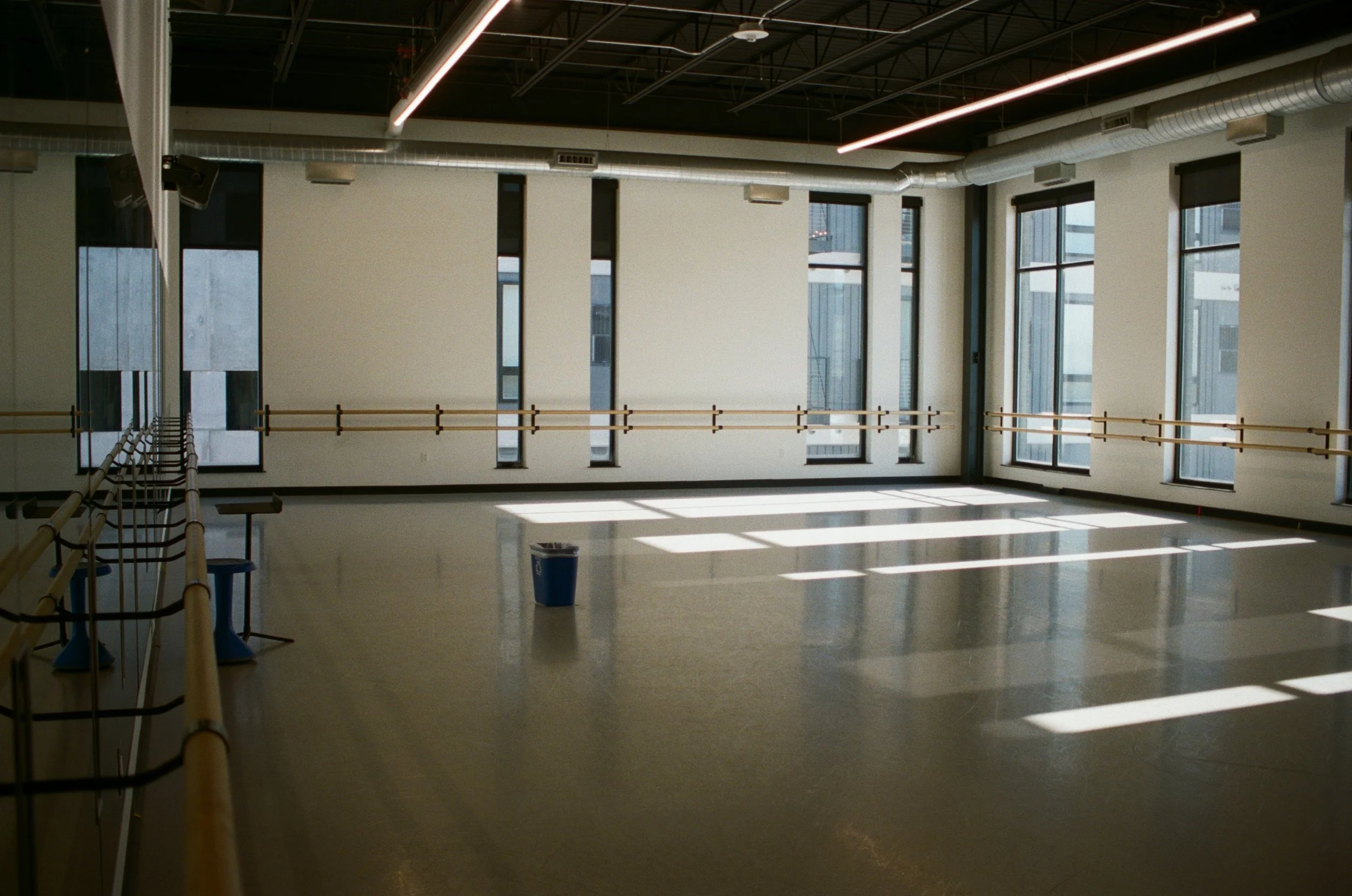
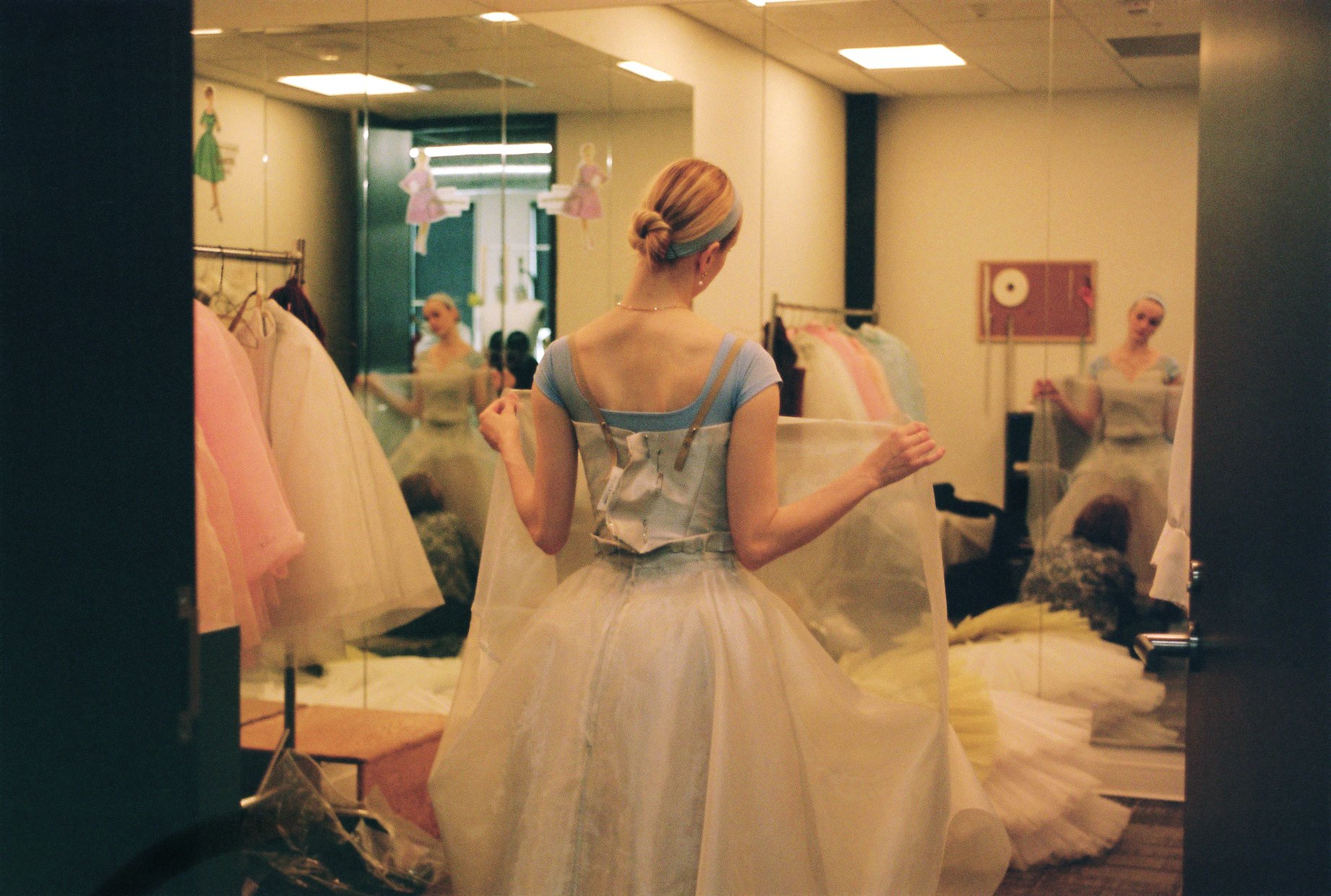
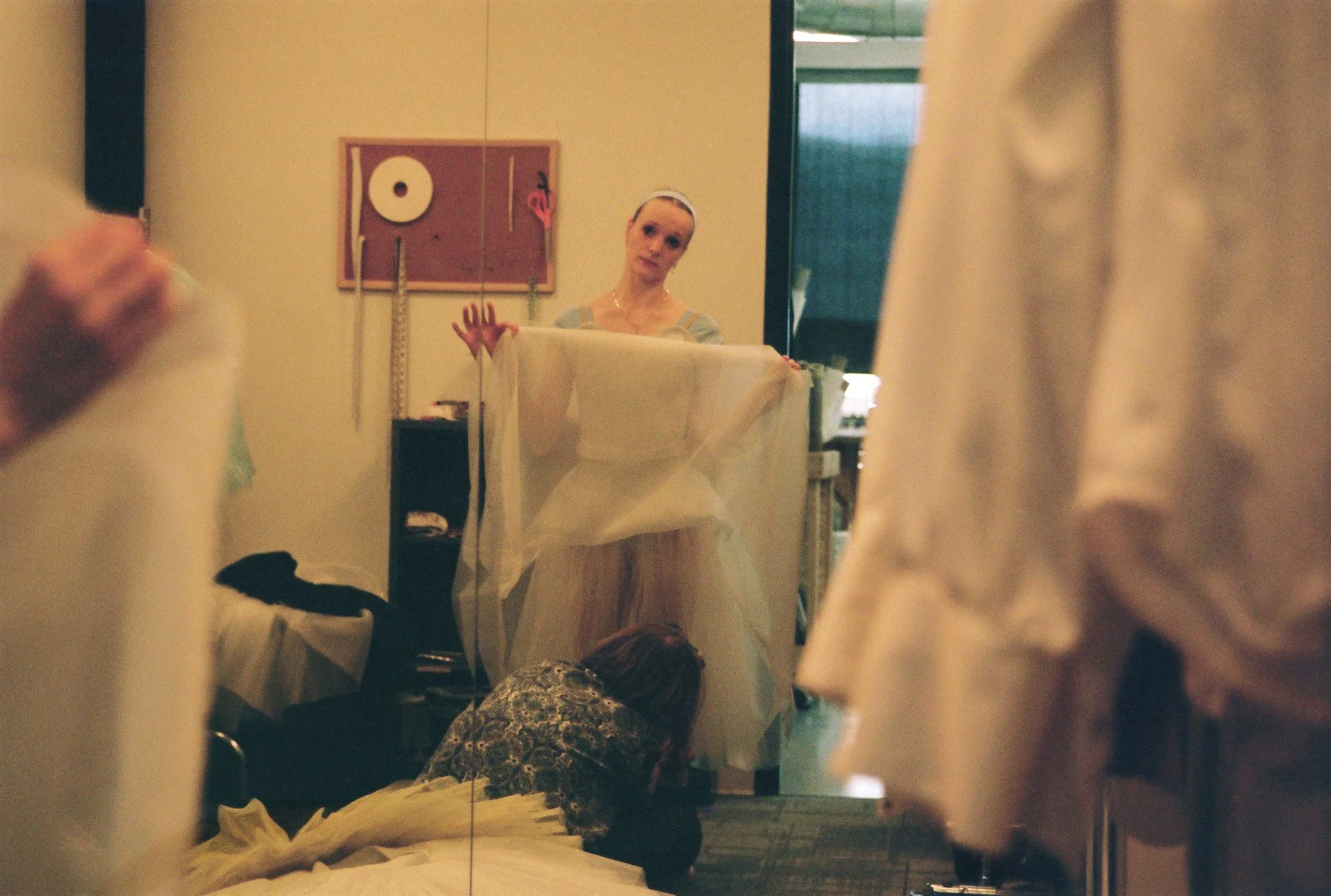
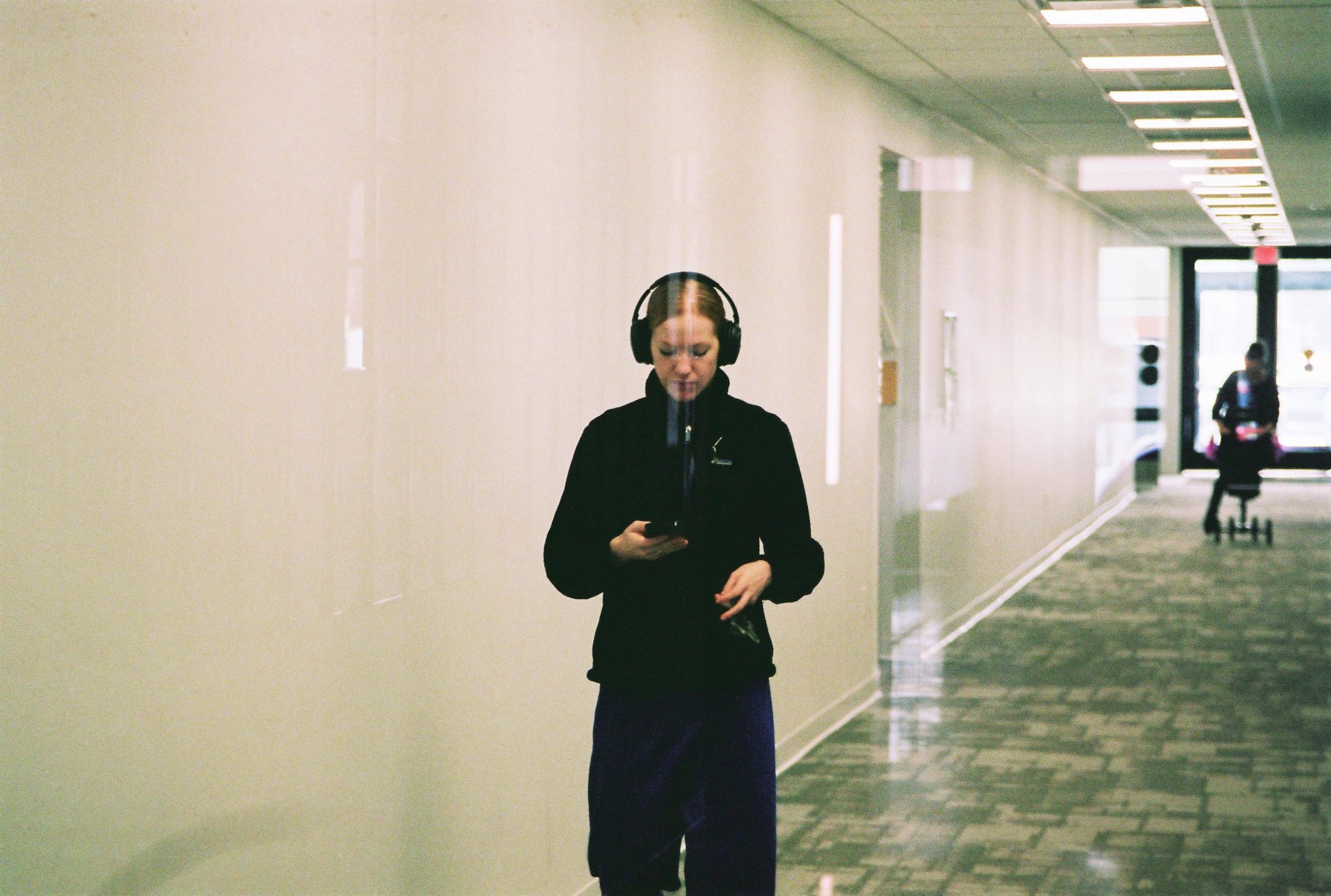
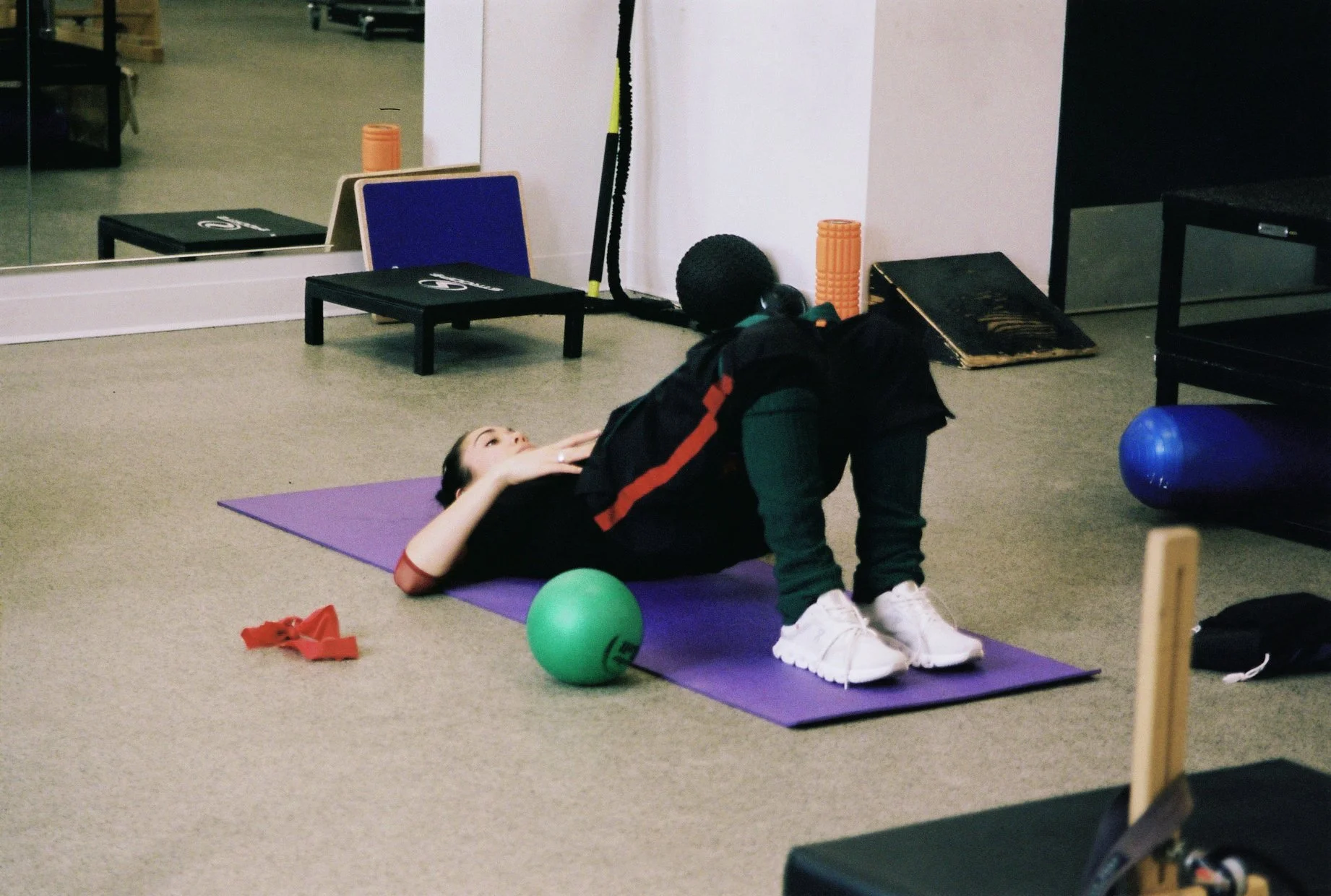
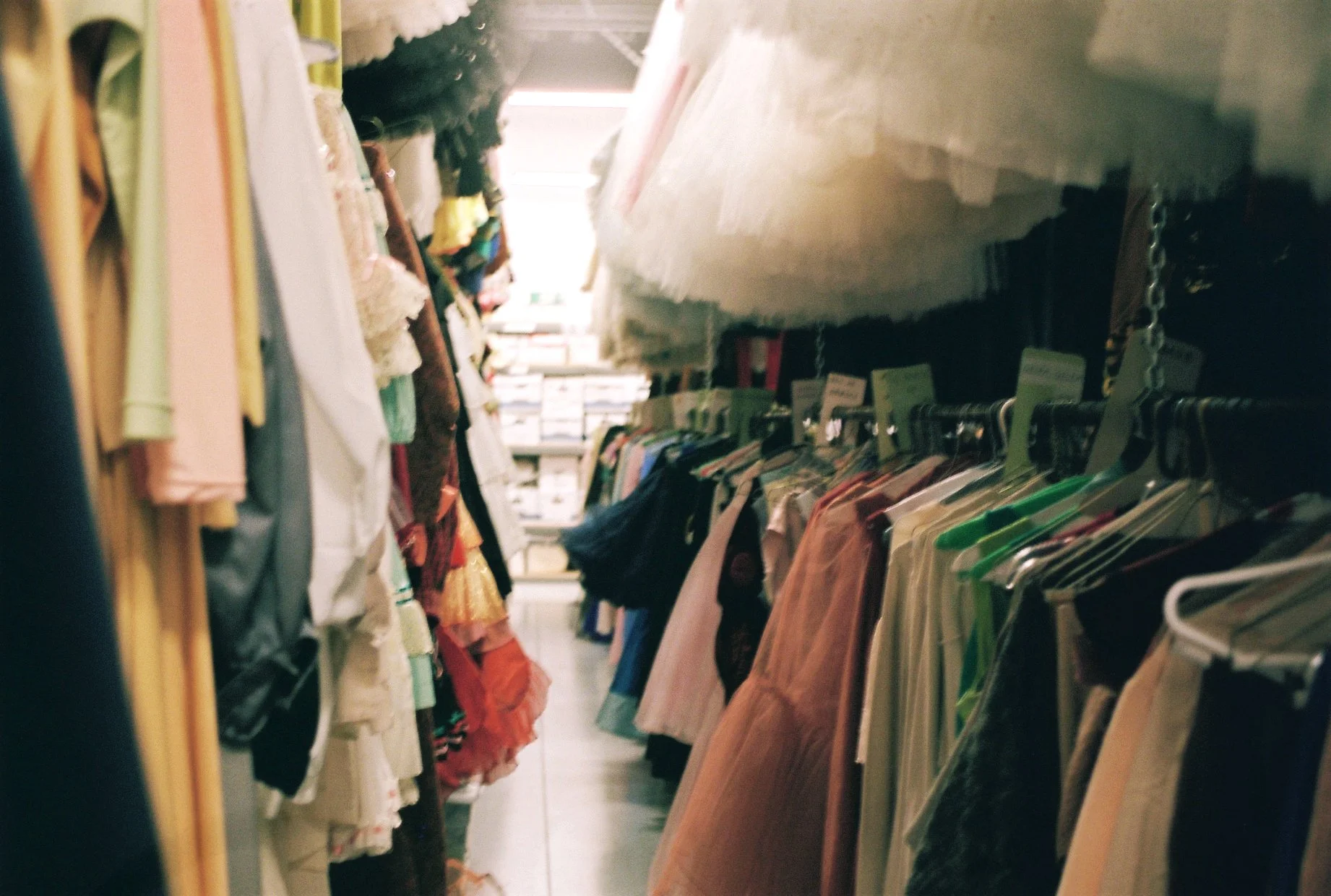
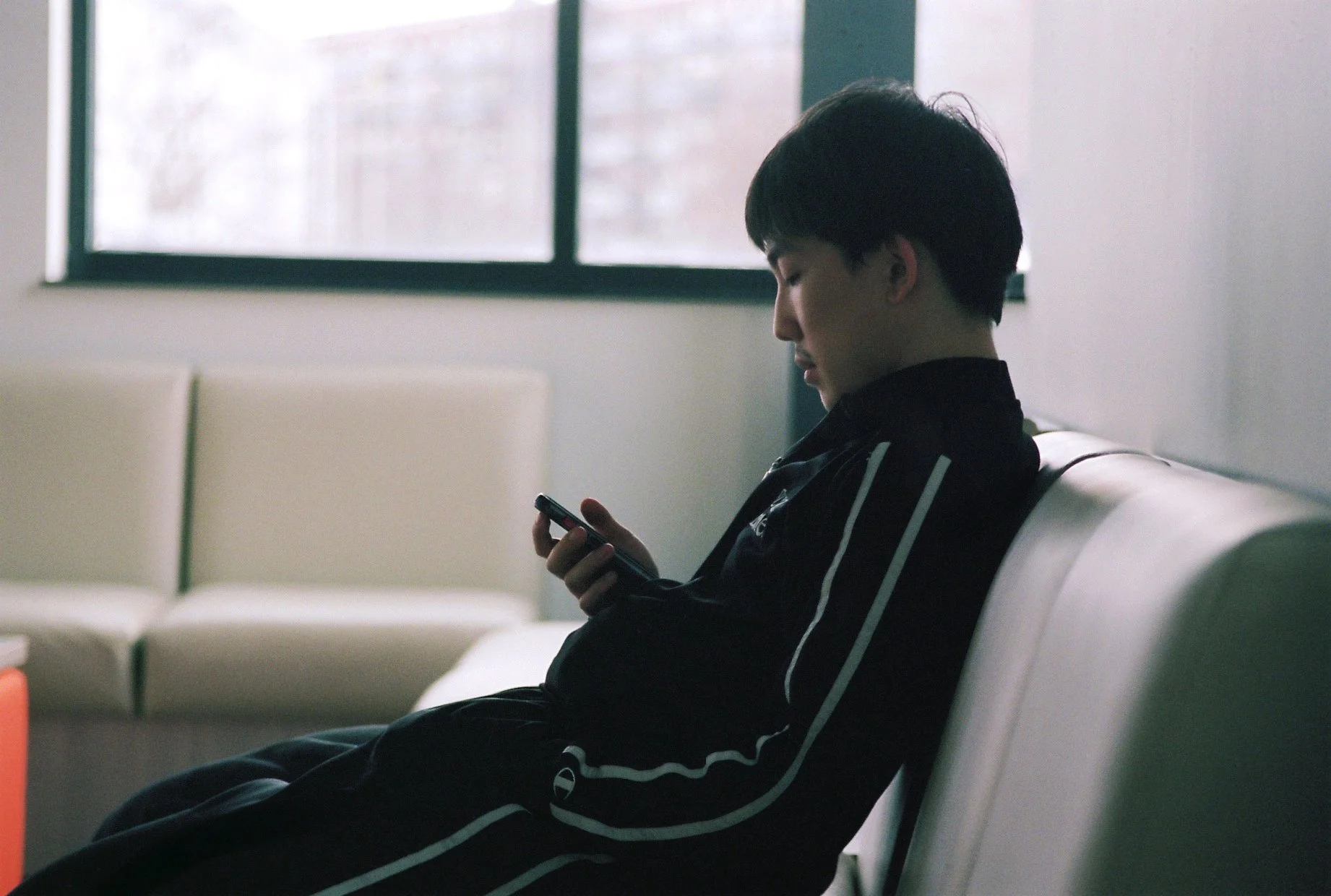
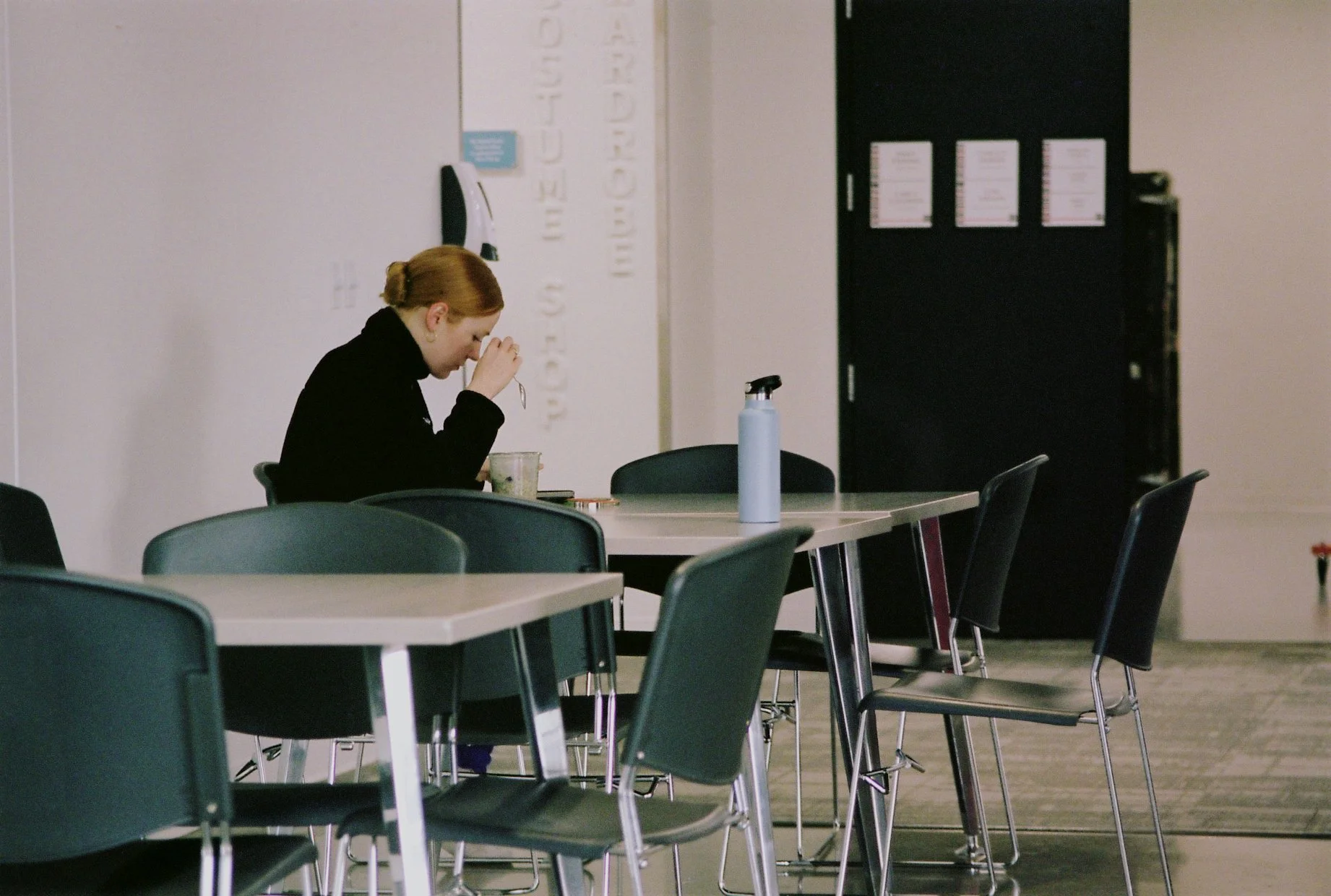
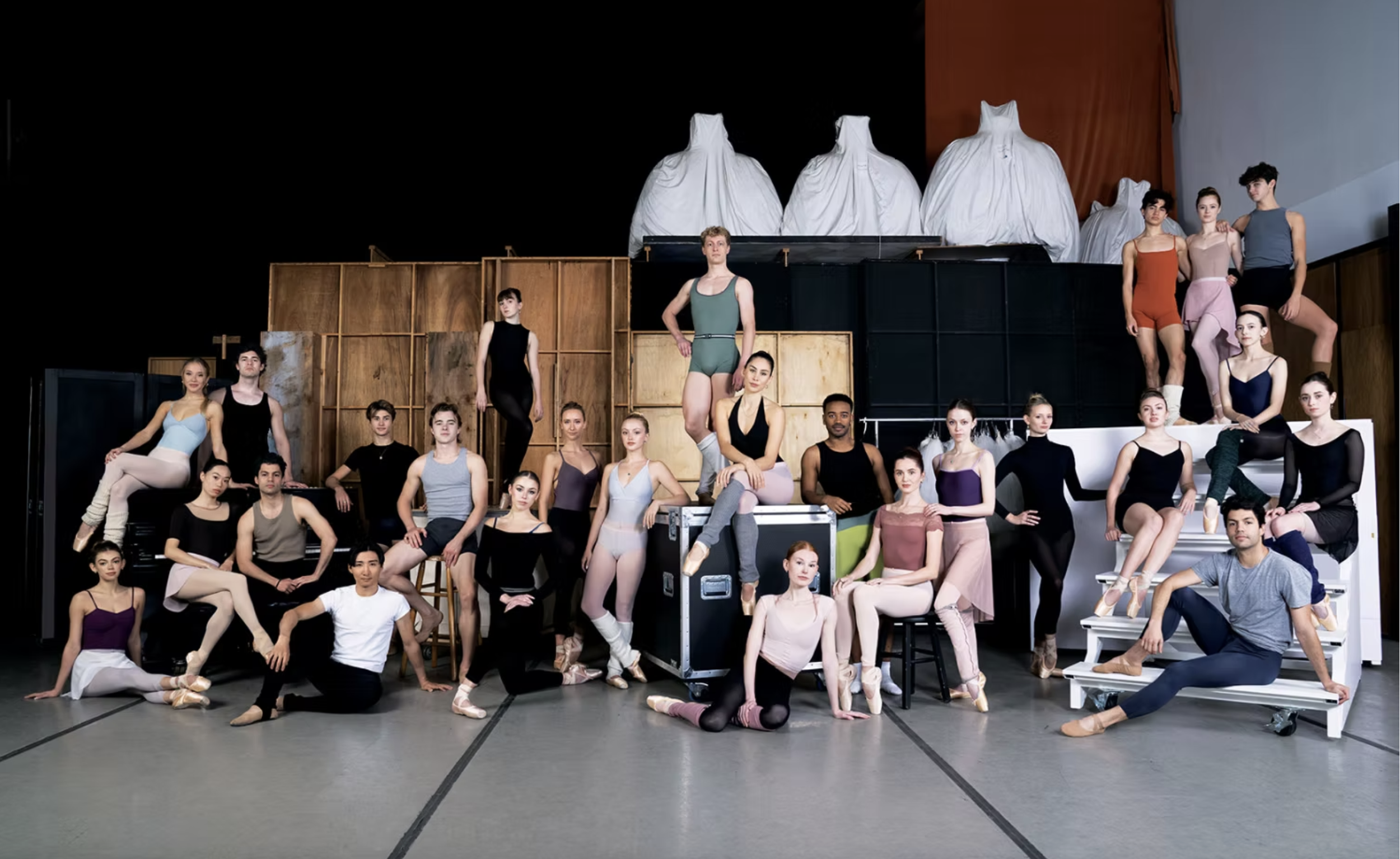
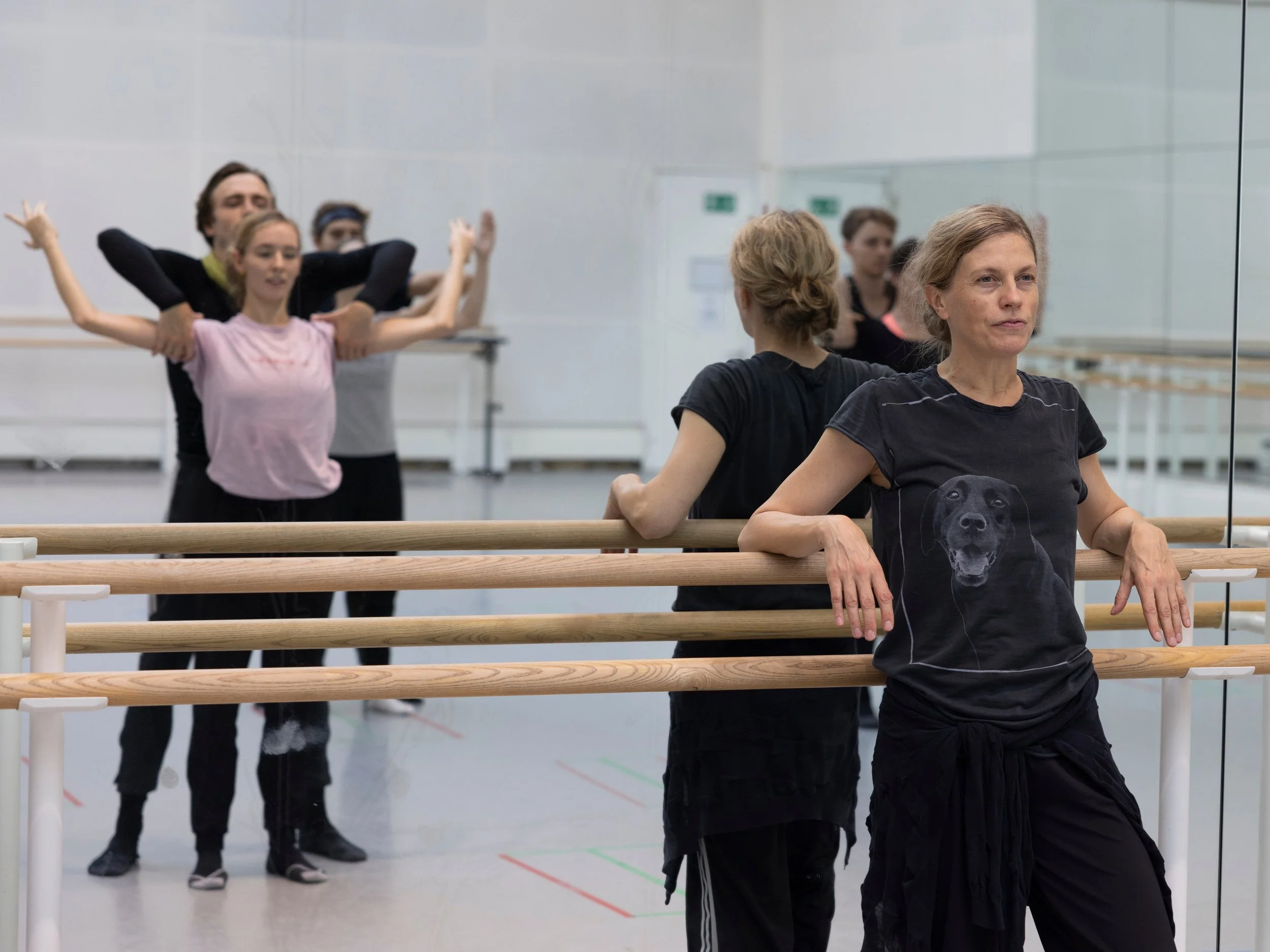
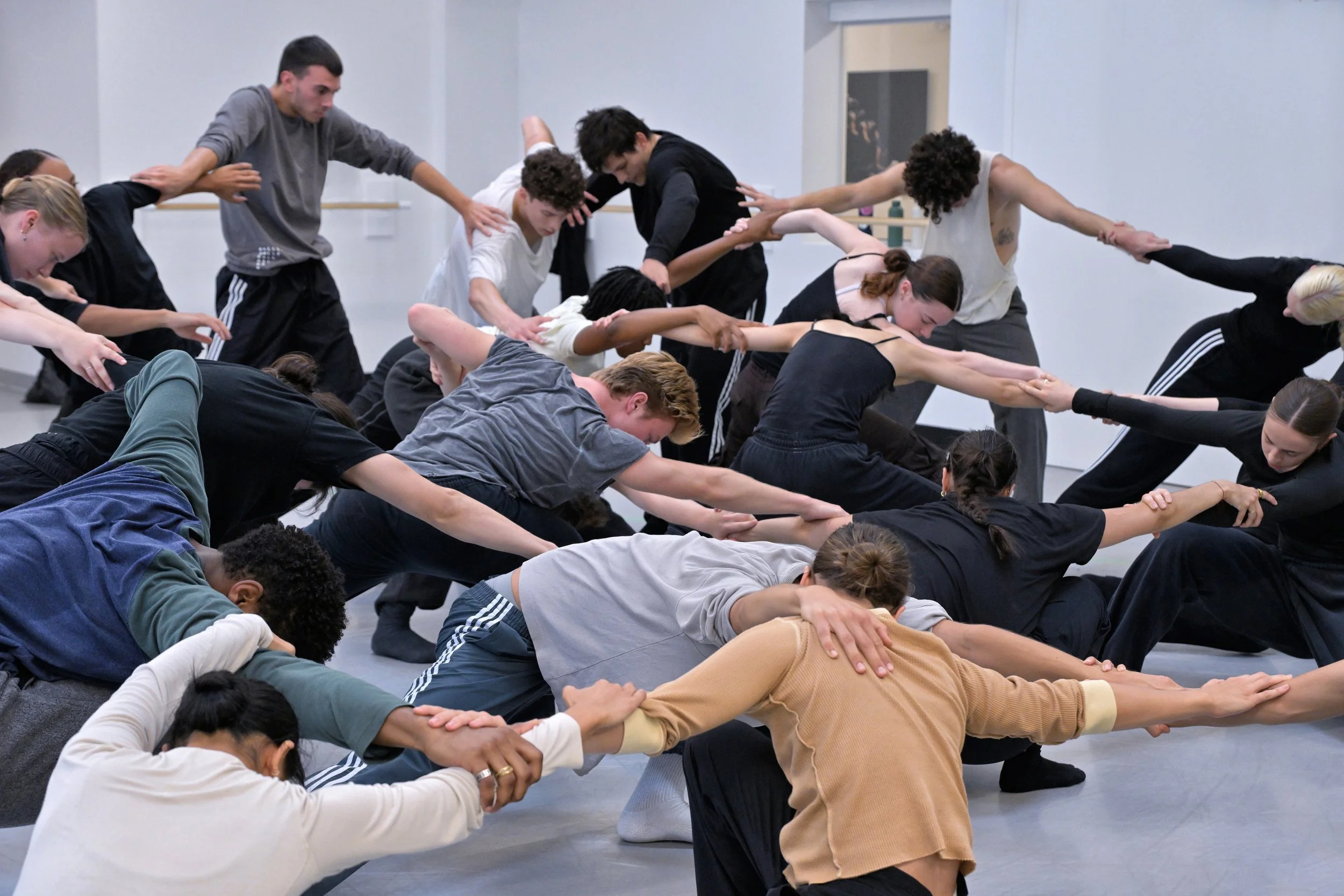
These photos I took while observing the Milwaukee Ballet company for the week (where we will be shooting). I tried to use the lens to capture that sense of being one among many, of both the camraderie and group dynamic, but also the solitary moments of finding space for yourself, and above all the work ethic and focus of these athletes. I tried to pick out individual dancers and imagine one of them as Clara here with the company at her daily class/rehearsals all while her mind is plagued with self-doubt. I tended towards longer lenses which could observe closely without disrupting the flow, compressing the distance between the dancers and bringing them together in space.
Though this specfic company has a very healthy enironment, there is a sense of precarity in all dancers lives with their contracts only one year long and only for 34weeks of the year, so they are year in and year out looking to keep their job or have to audition for other companies (sometimes in secret). There is the fragility of the body too, always being tended to, with creams and stretching bands, heating pads and massage balls. There is also a sense of being watched, whether by other dancers, the rehearsal directors, the artistic directors, random donors who come to watch you, or the audience. And the sense of being “on stage” and “off”, of waiting in line for your next entrance during class, pulling your body and smile up and leaping out onto the floor, then as soon as it’s over, slumping back down into your mood that day, and the exhaustion of the physical feat.
Also note that this company was not filled with “typical ballerina girls” as the artistic director said to me early on, and it was clear even in just the color pallete (many more blacks and browns and dark colors) and in the personalities, much more subdued. But I still find it helpful wardrobe material in setting Clara in a company that the general vibe is a little more in brighter color while she is in darker clothing.




CLARA’S PERSONAL MOVEMENT STYLE
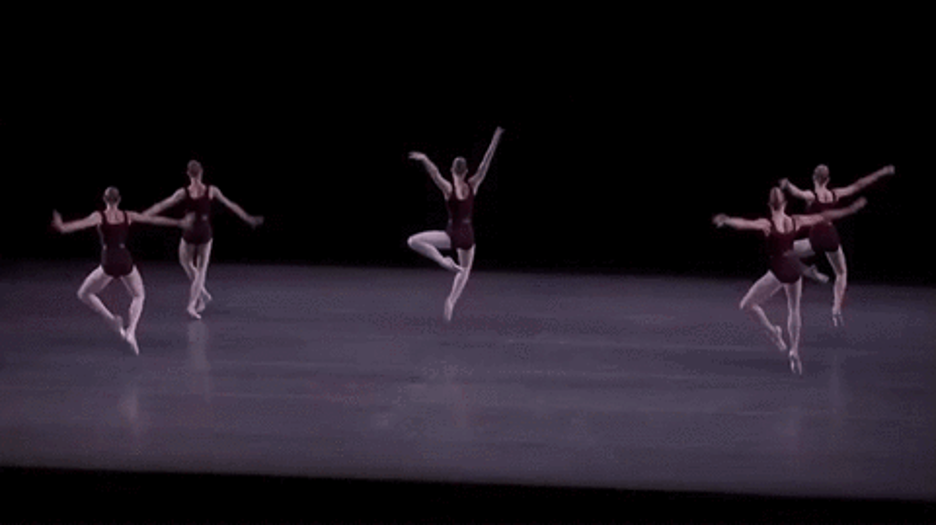
Can you feel Clara holding something inside that is struggling to come out? Something she is still searching for? With a fumbling desperation at times, and a clear precision at others? Can you imagine her alone in her apartment at night looking? And all self-doubt that comes from filming and analyzing yourself, your body in comparison to the others you see on your phone and at your ballet company?
MAINSTREAM BALLET COMPANY LIFE
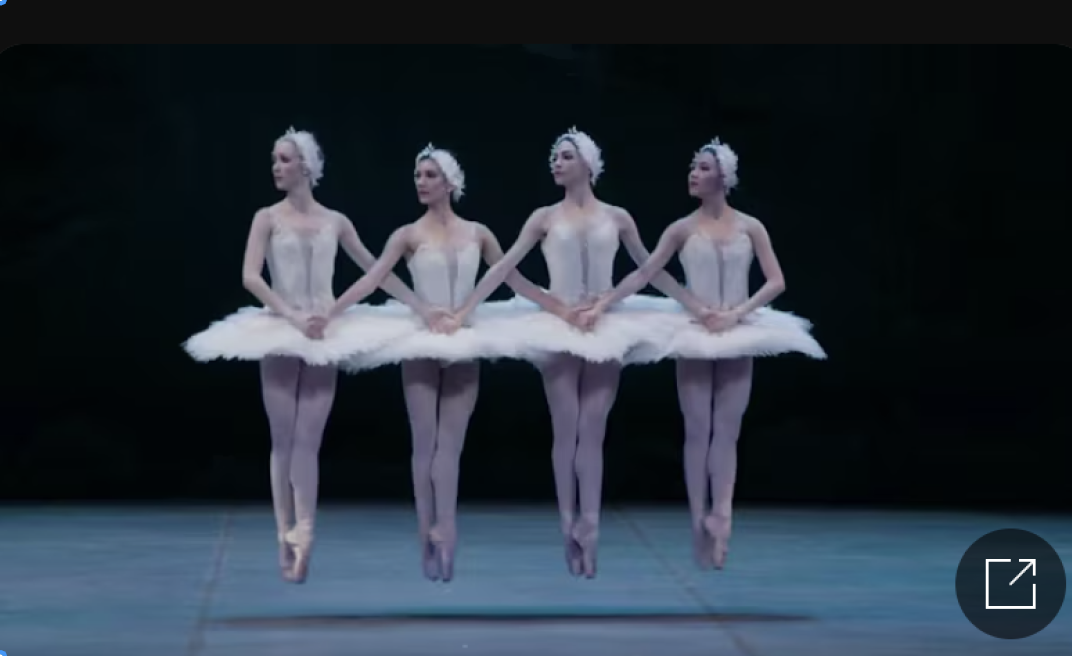
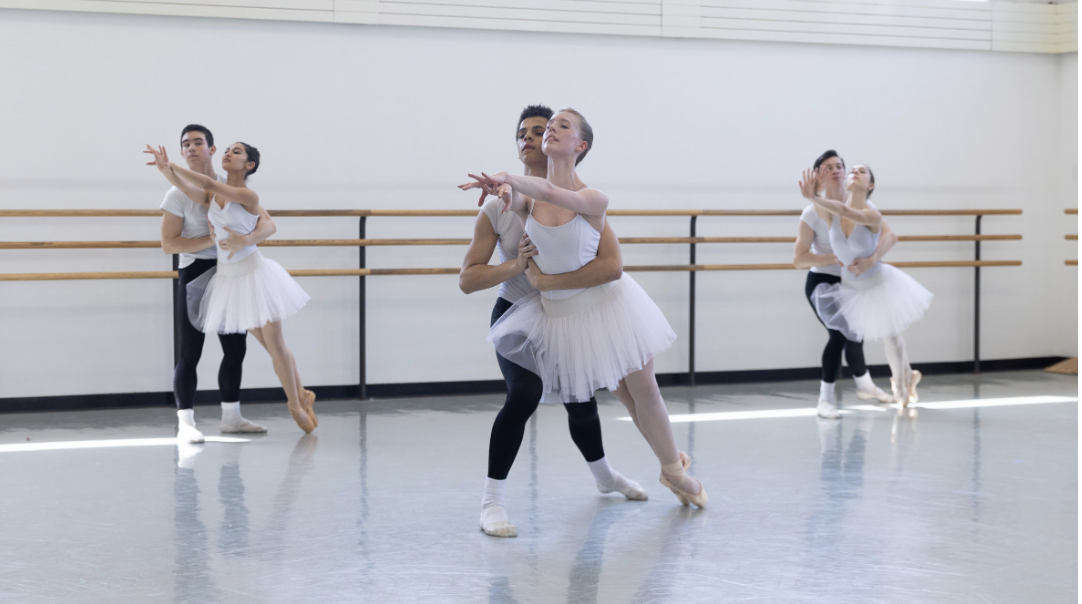
Can you see how the mainstream classical ballet world and the dance influencer world below differ from Clara’s own expresison in dance? The texture and color, articulation of movement, gender expression and clothing…And how Clara might be an outsider in the place of straight lines and bubbly smiles?A world she has grown up in but no longer knows if it’s where she should be.
INFLUENCER WORLD ON HER PHONE
Can you feel how her own self-doubt would be triggered taking in all of this? Her own uncertainty about herself, about her work, when she is surrounded by the success of others who are so far from who she is?
LOS ANGELES
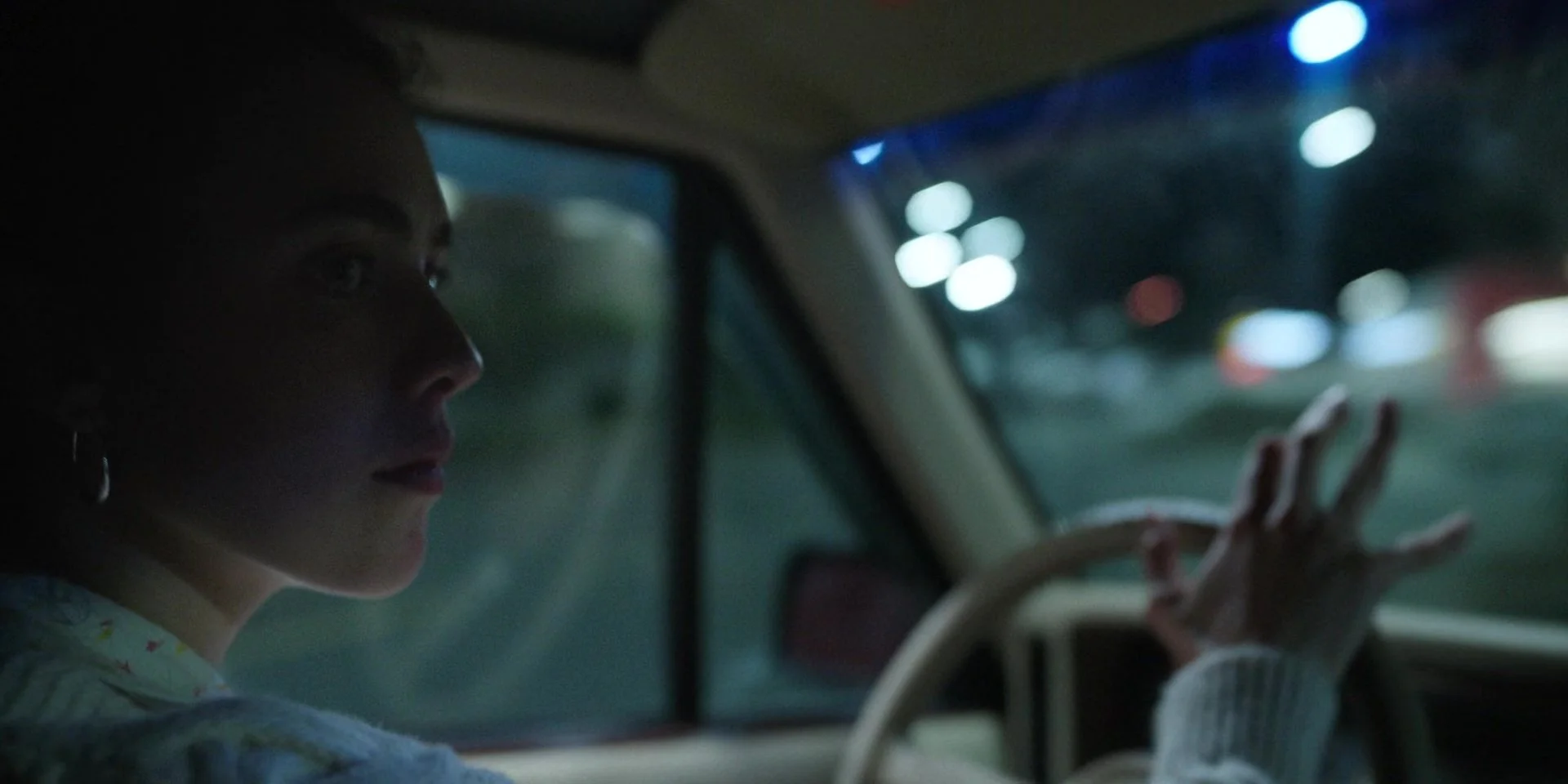
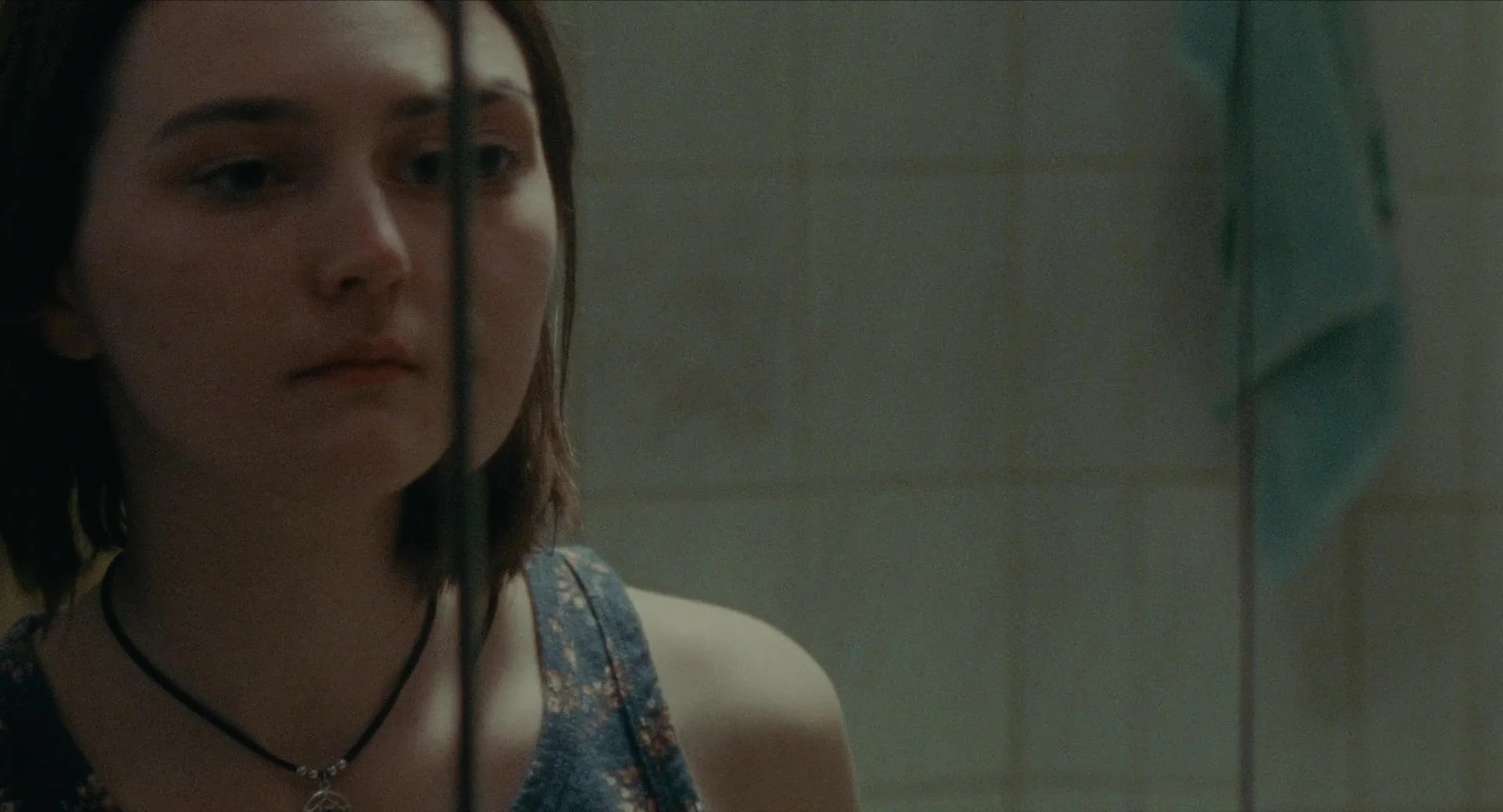
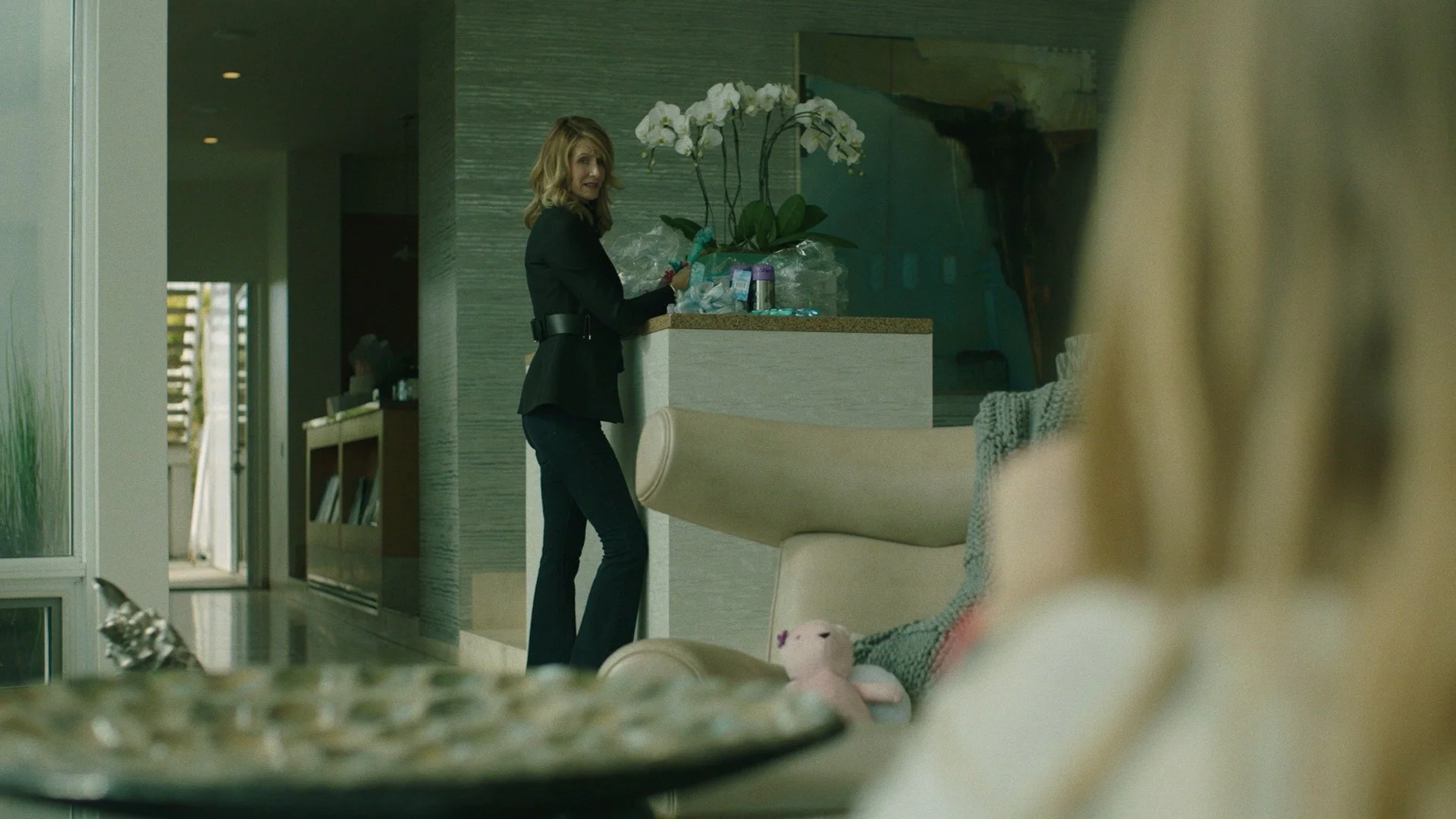
There is a lonliness and isolation to her life as well. Yes, she is busy and on the move. But she is also alone much of the time outside of reherasal. Driving in traffic in her car, or alone in her apartment at night. Even in the park or on the street, there is always the sound of traffic whirring, the movement of cars never ending. She has no time for a social life with her demanding schedule, and instead spends it scrolling her phone.
(*I”m planning to take photos in LA this spring, but these are some older vibe references)

TOM’S INTERVIEWS
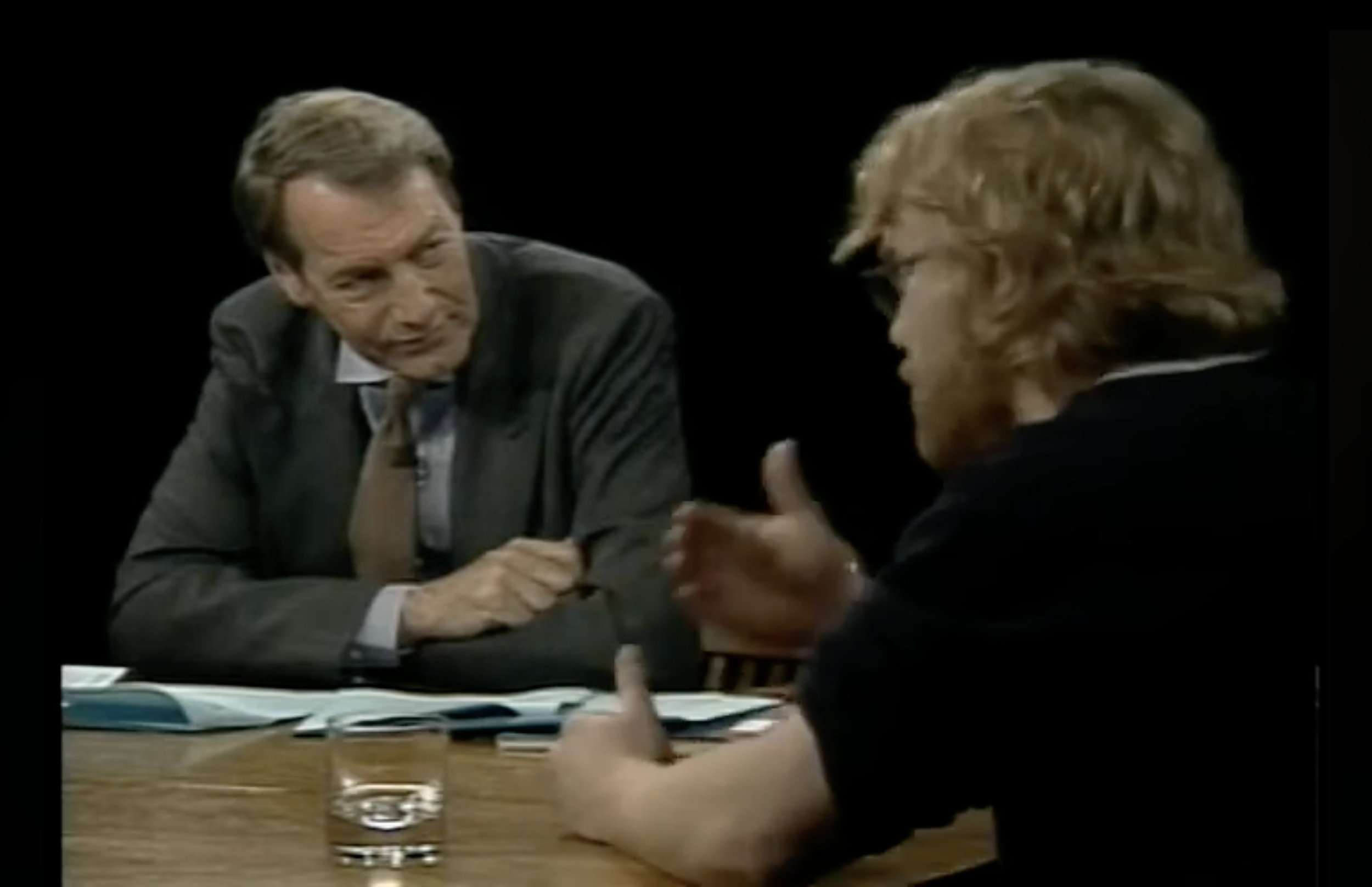
Can you get a sense of a younger Tom in the first video, a bit shy and naive, but still curious? And later, in the second interview how he feels more jaded, more burnt out, more reactive and standoffish in the spotlight?
TOM & THE PAPARAZZI
Can you feel the violence in these videos? The invasion into someones life? And the reactivness of the subjects? The worst parts of them brought out? Can we imagine Tom’s reaction with his precarious mental state? And the shame he would feel after at his behavior?
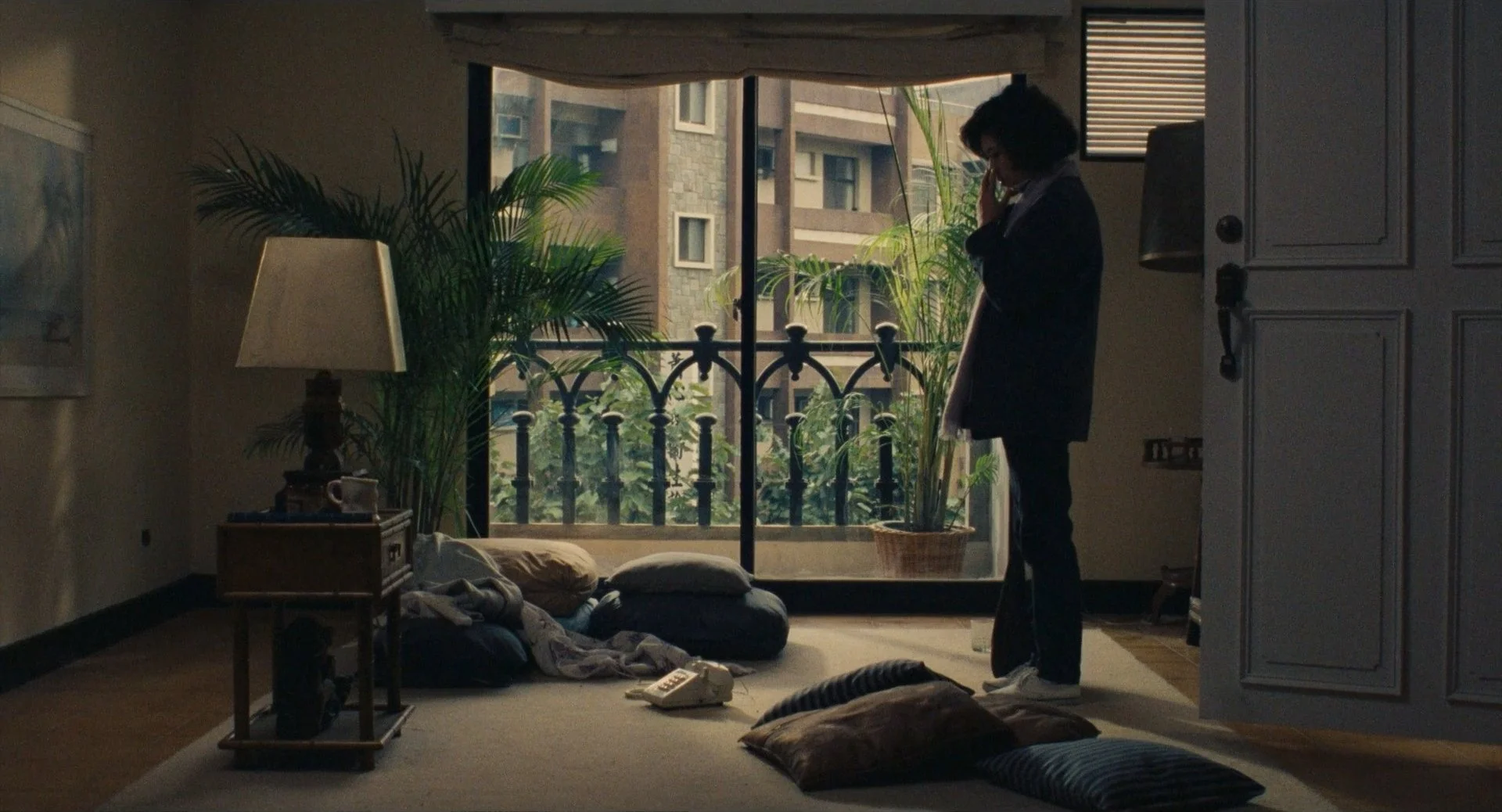
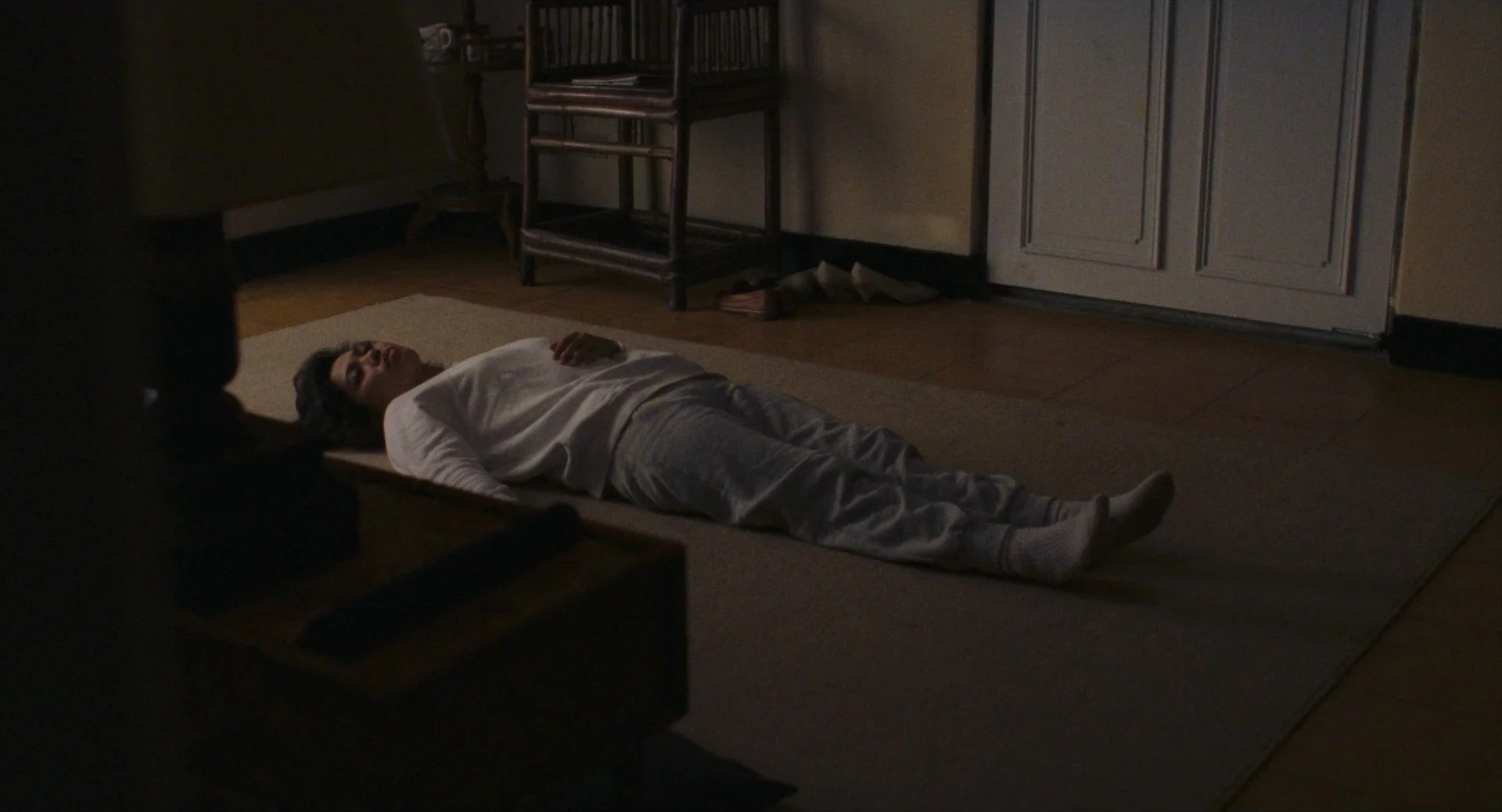
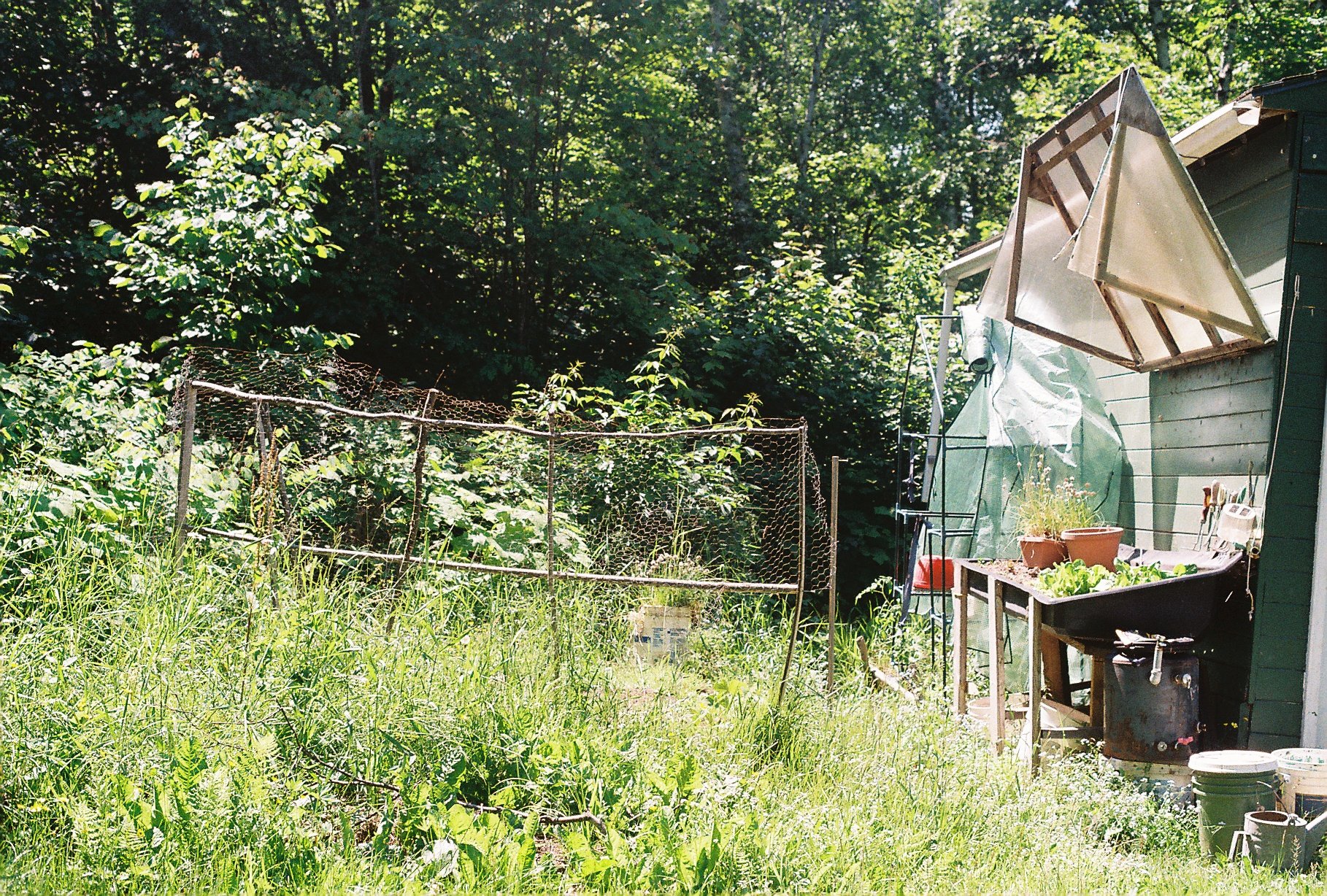
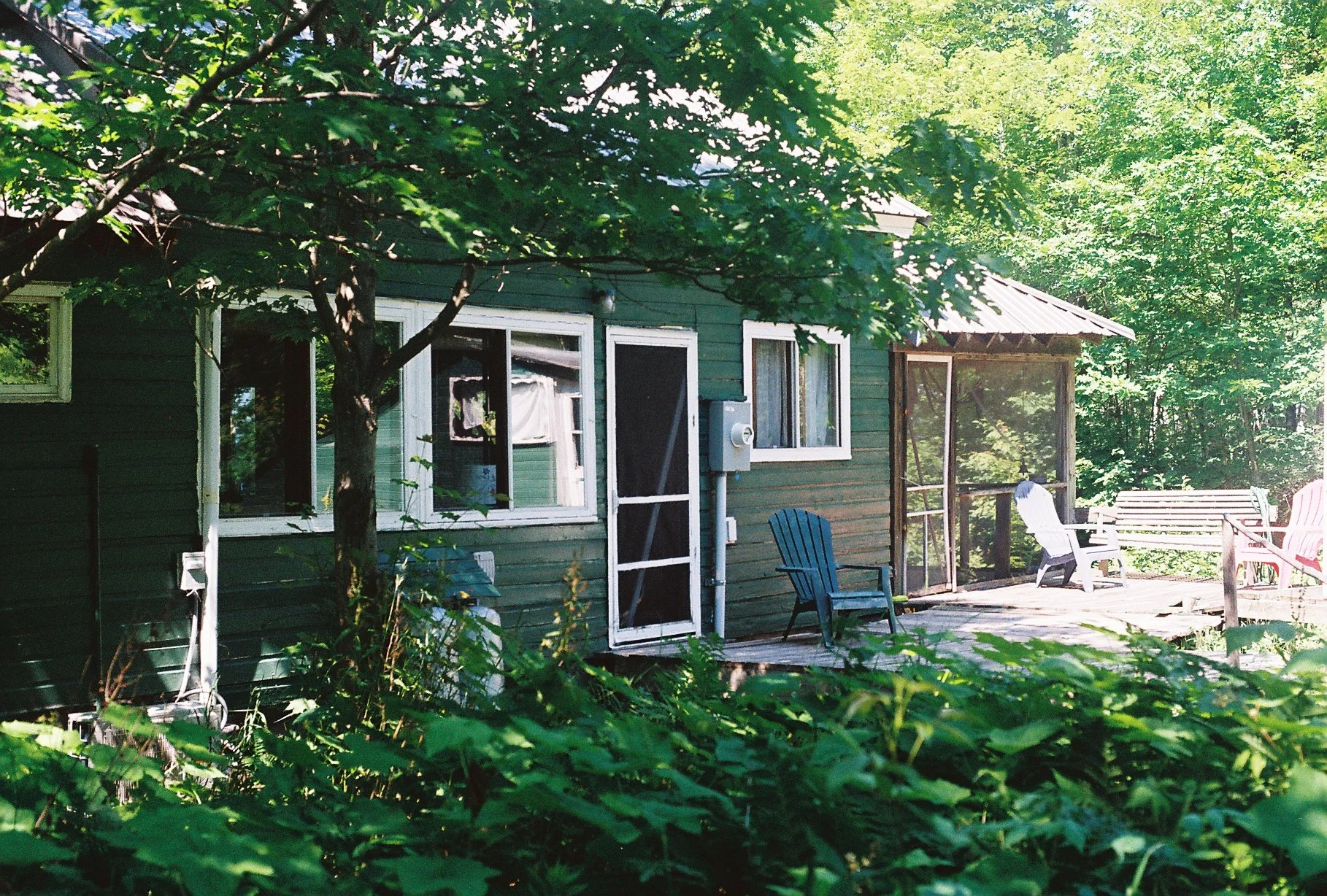
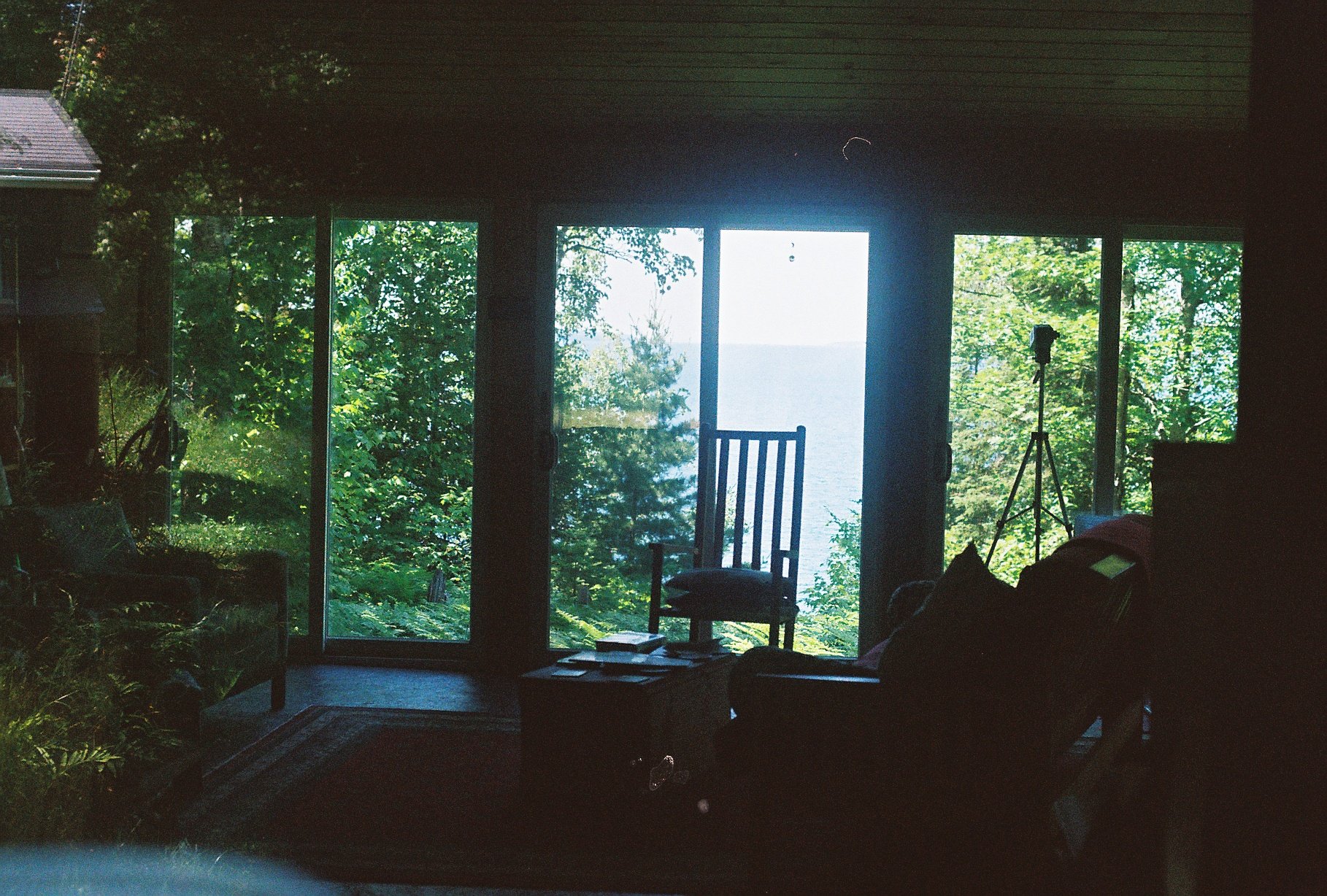
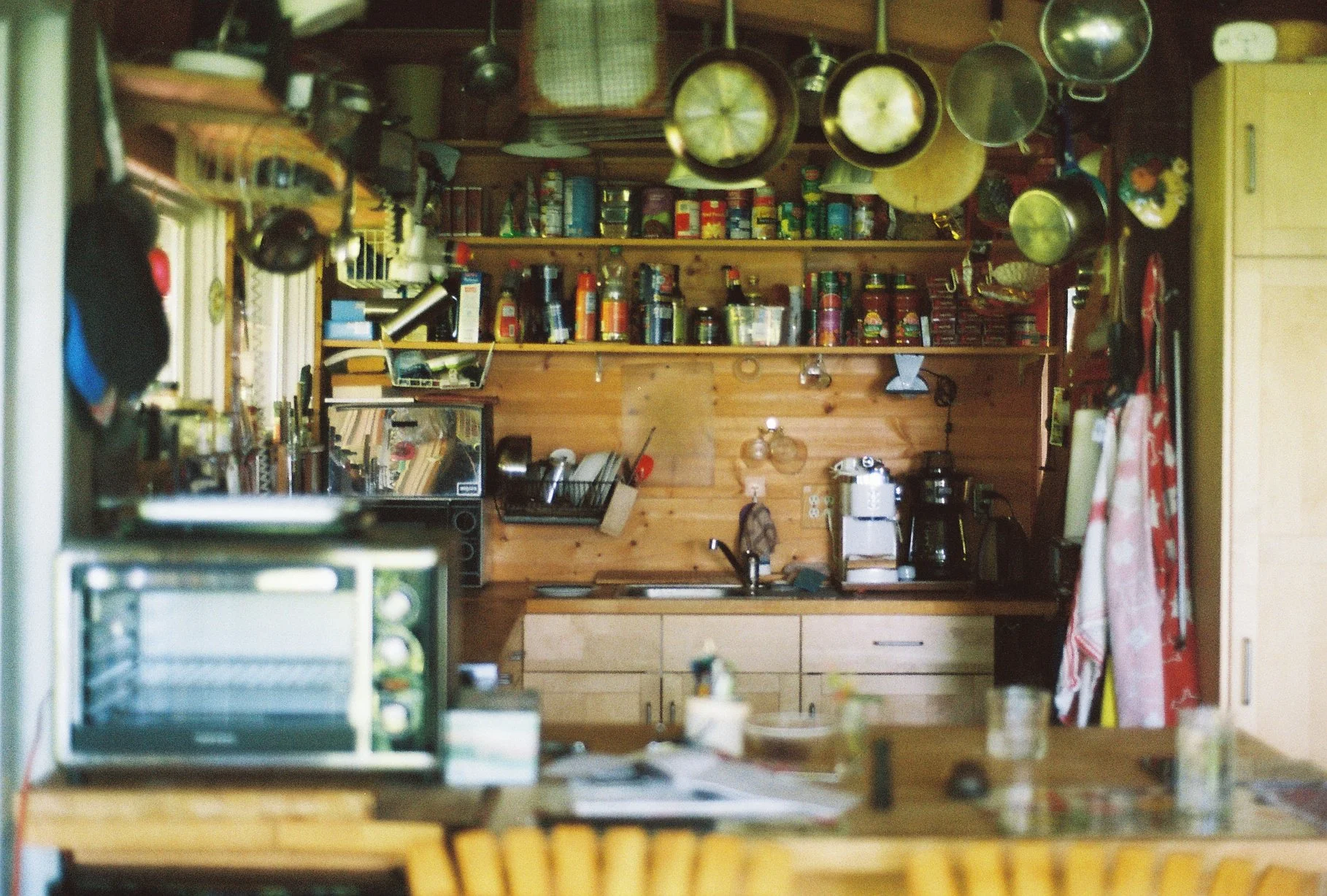
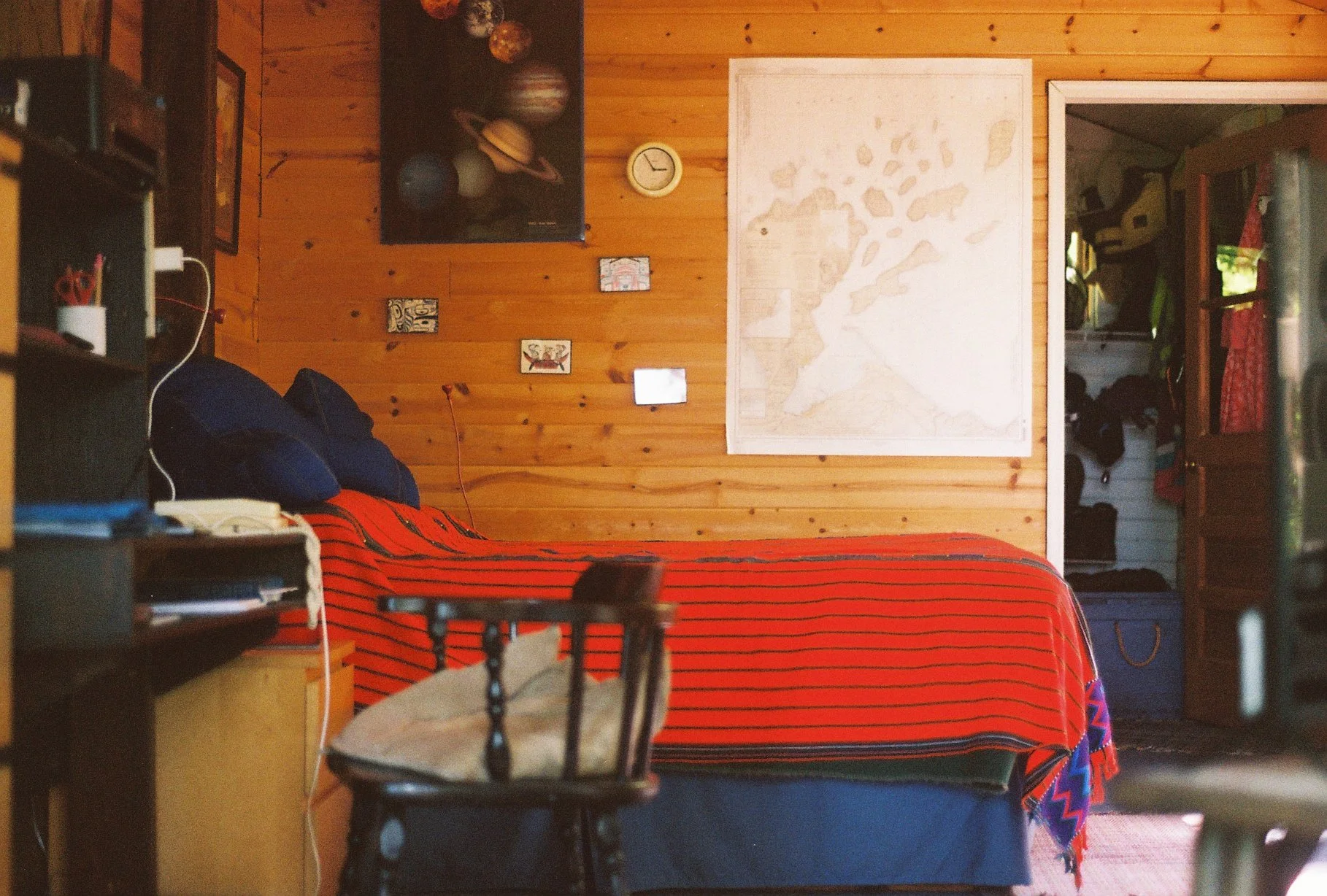
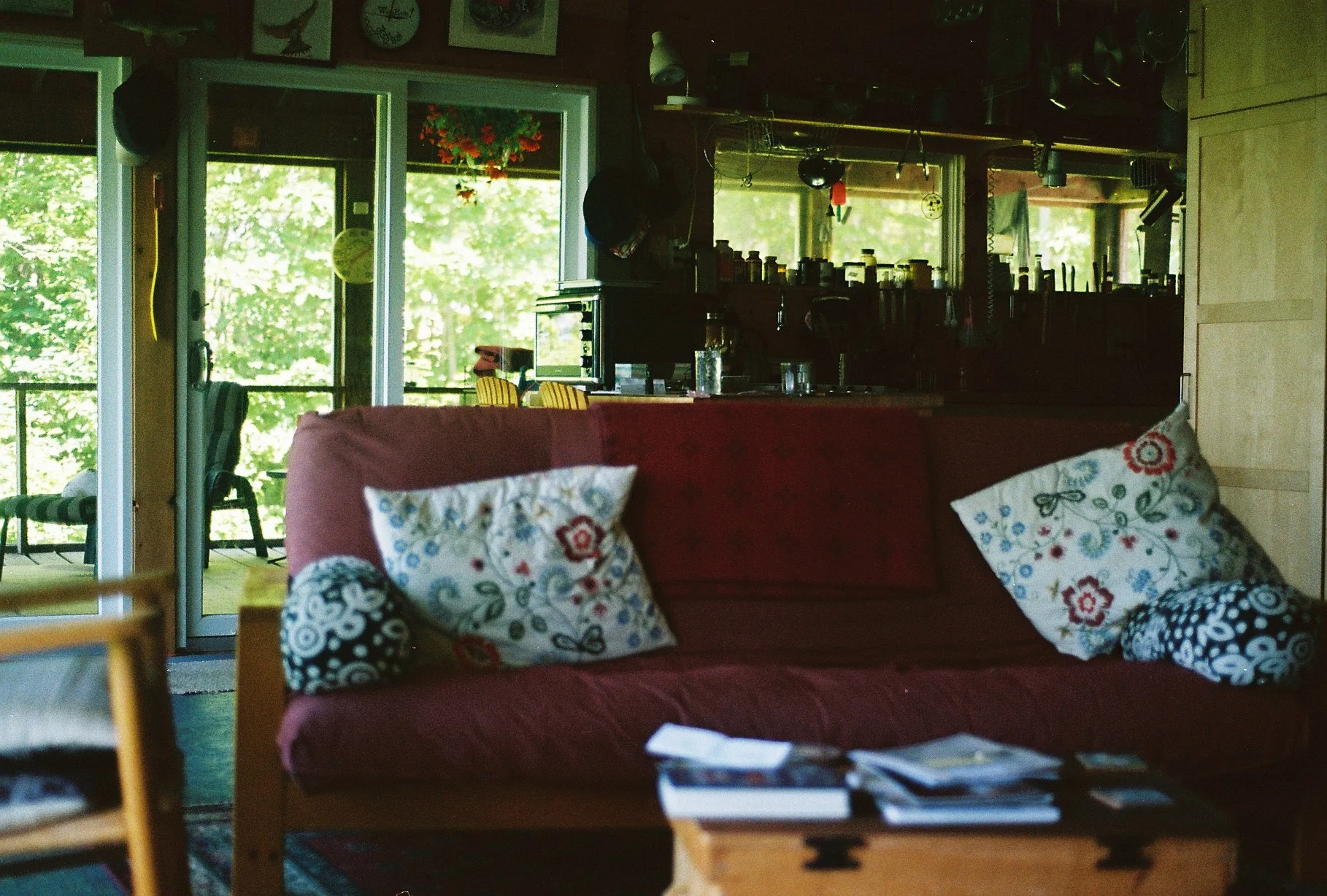
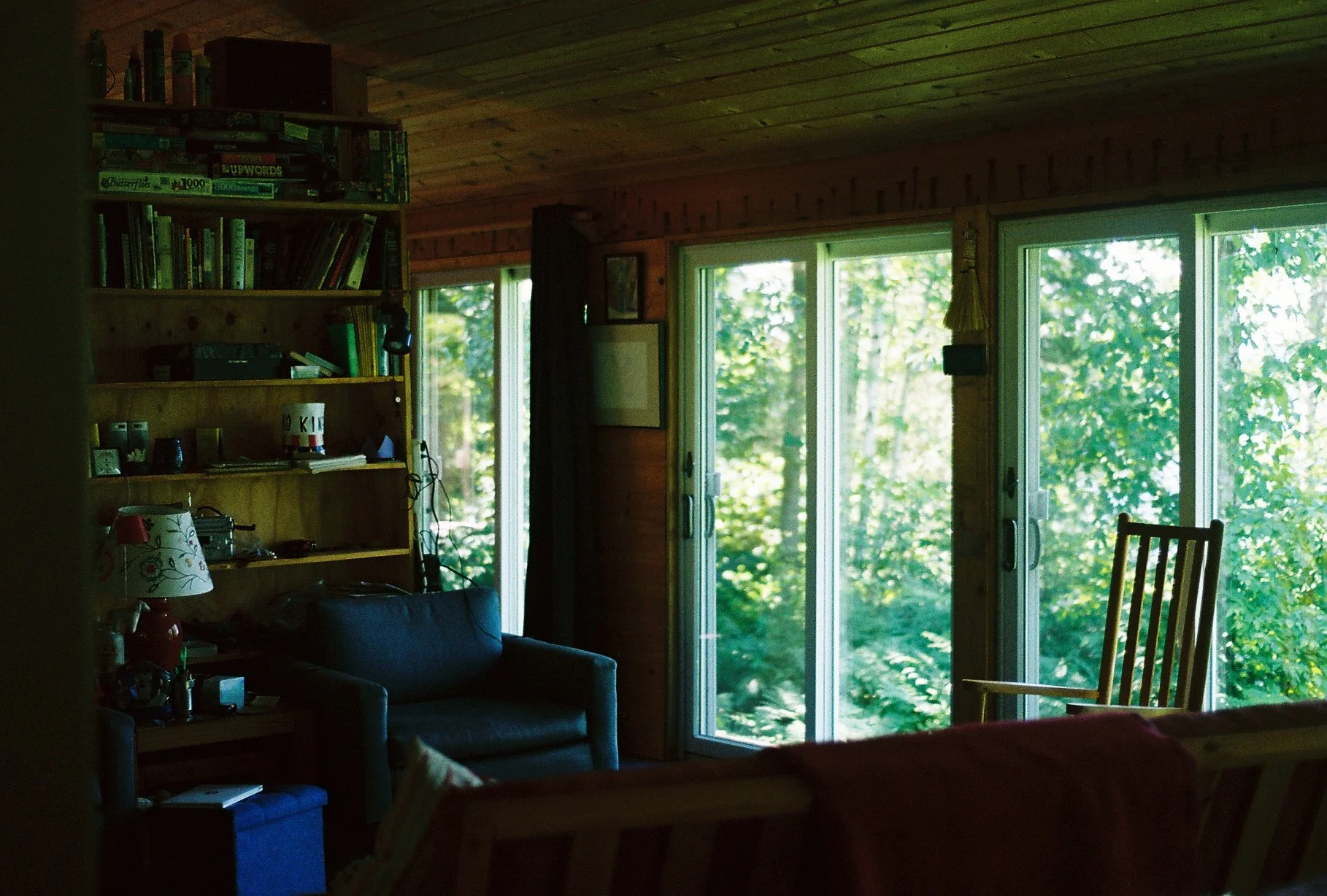
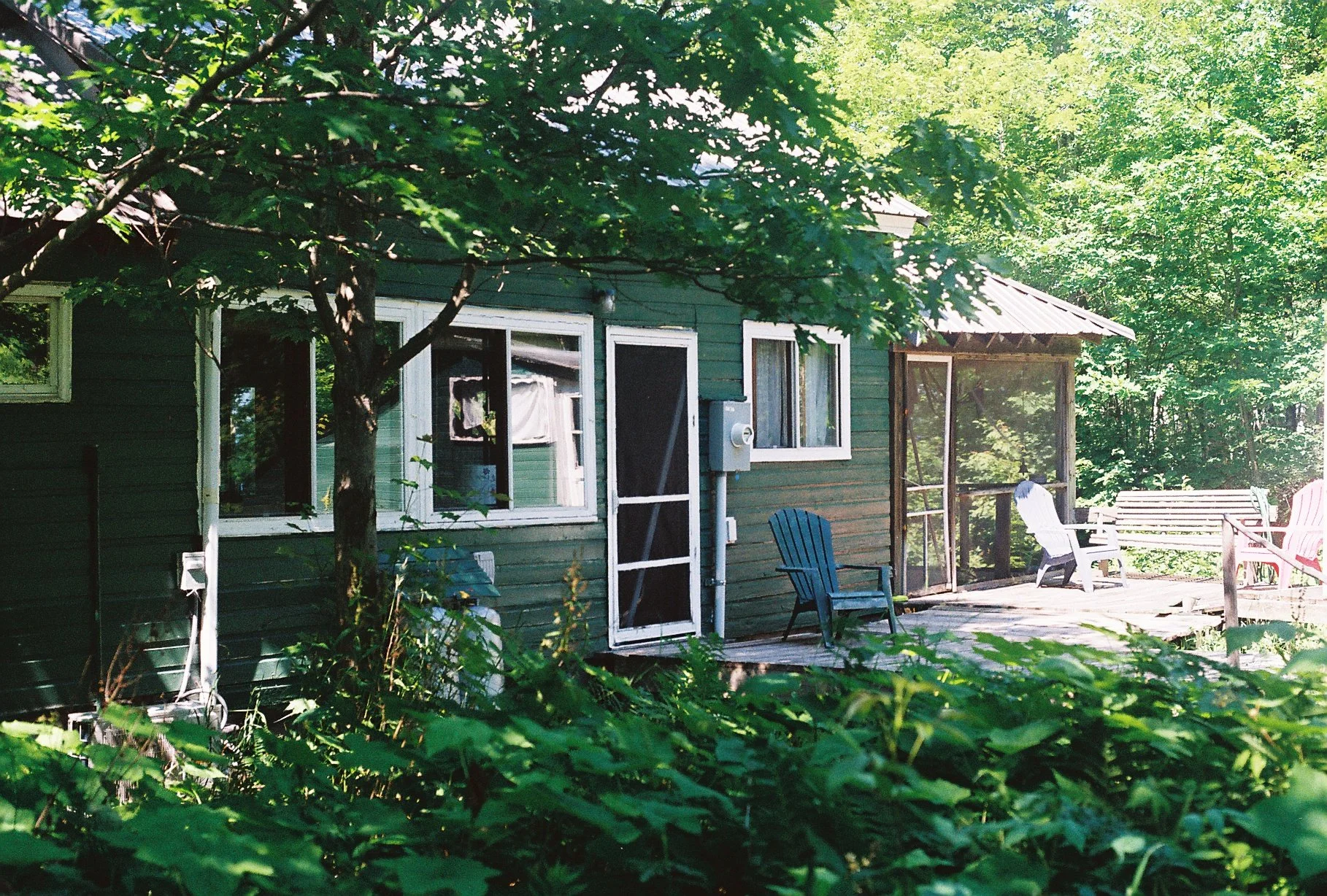
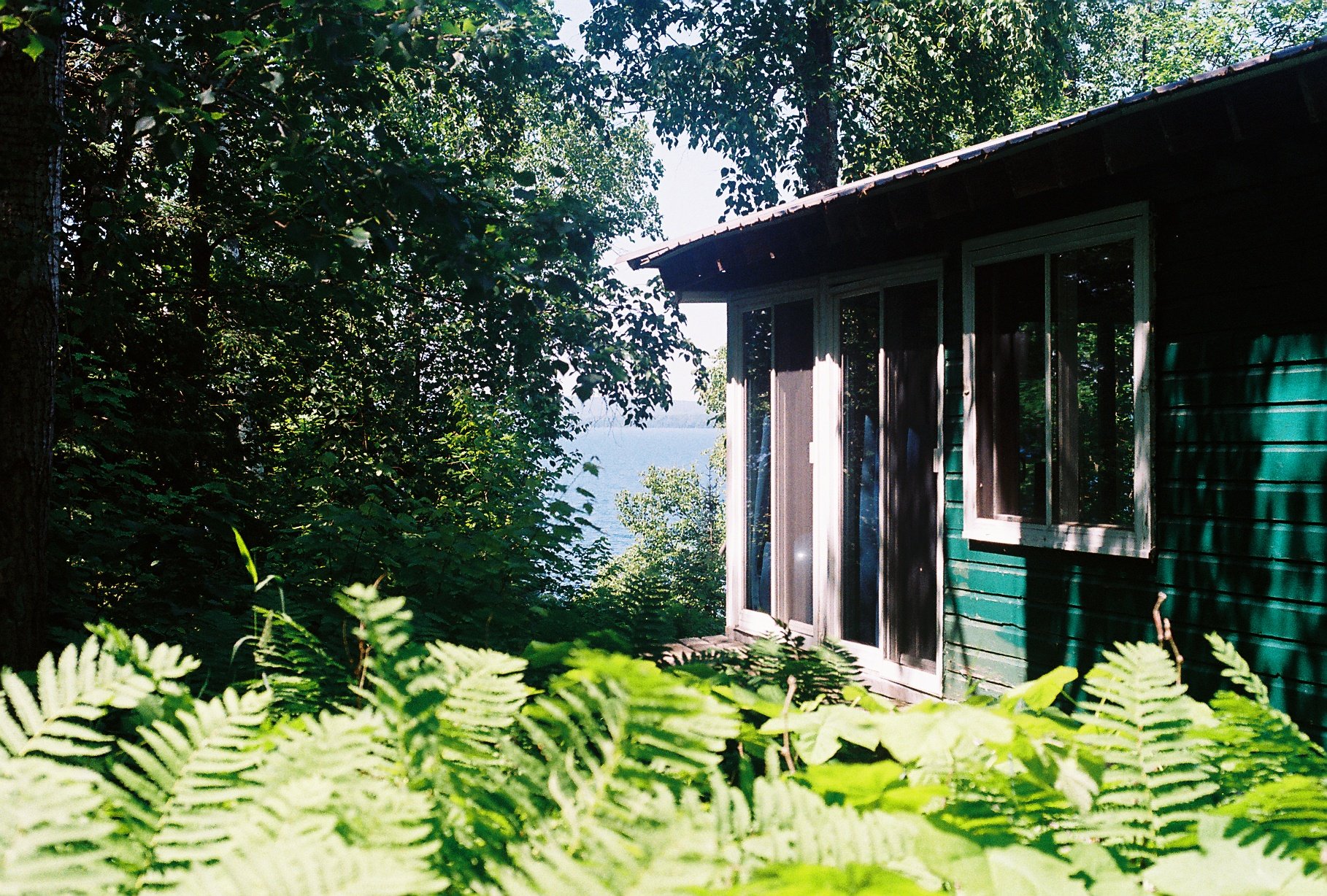
TOM’S HOUSE ON THE ISLAND
Can you imagine Tom retreating from the world?
(*these are scouting photos from the actual cabin we will film in)
ANNE’S WORLD
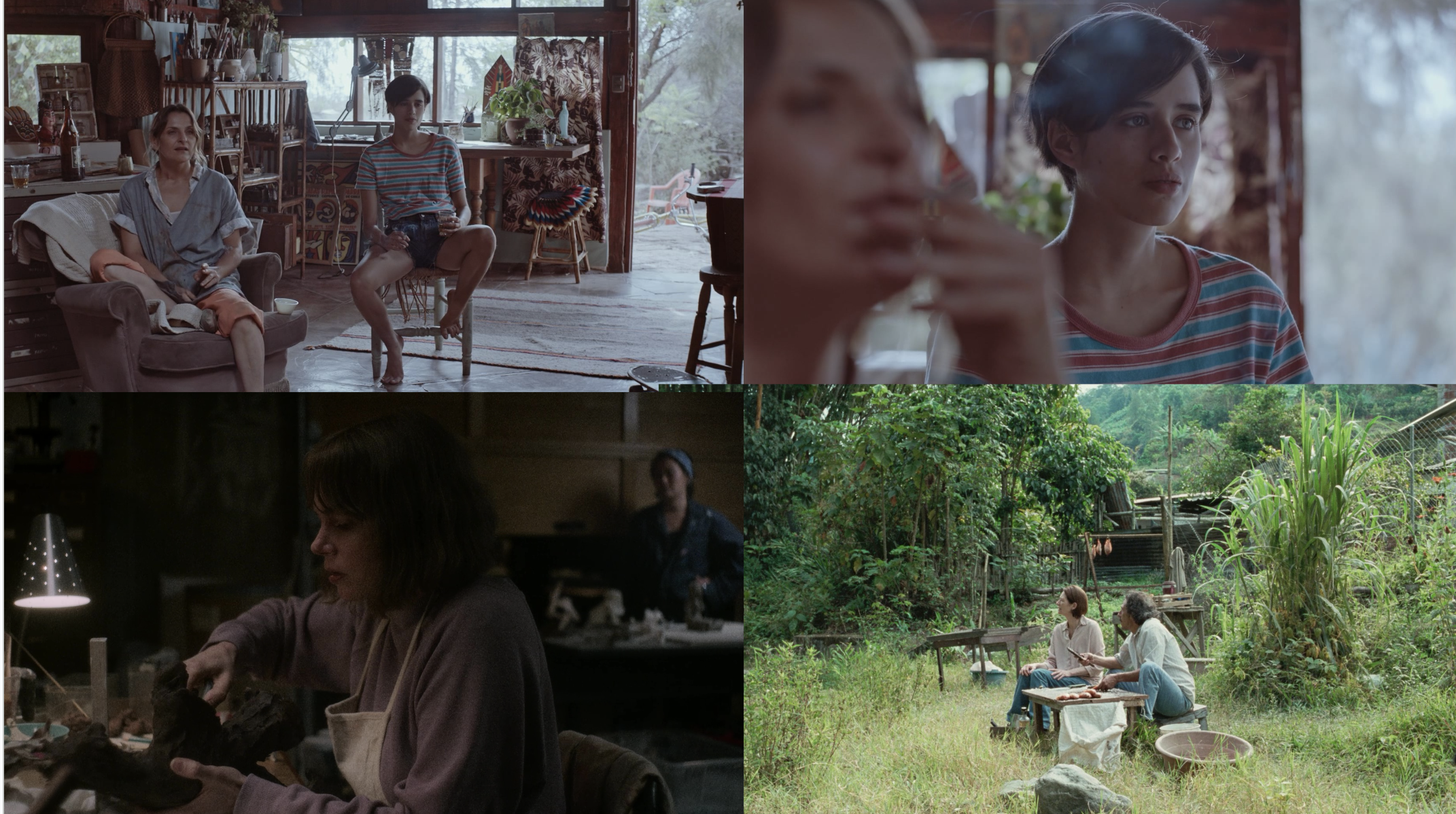
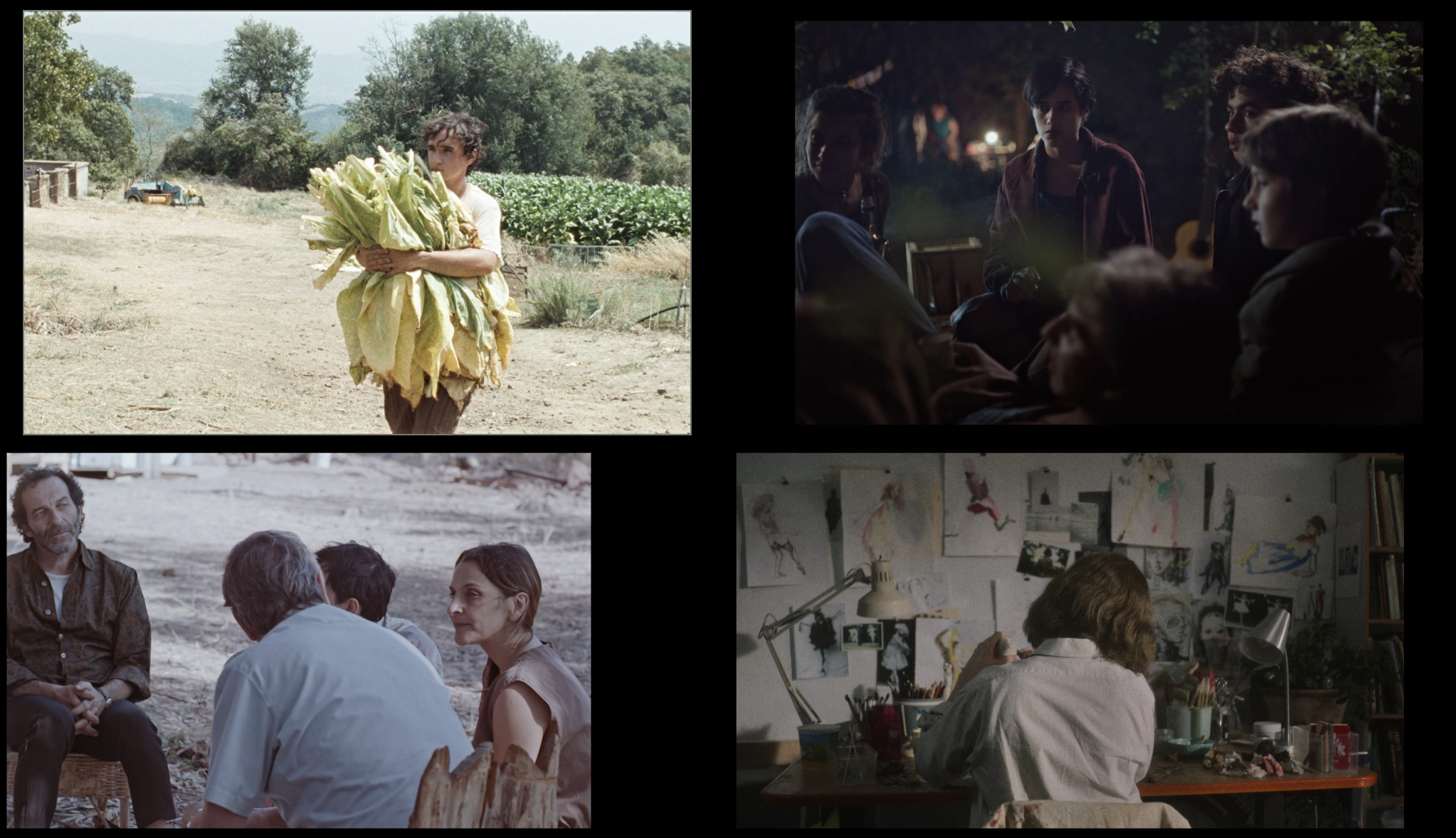
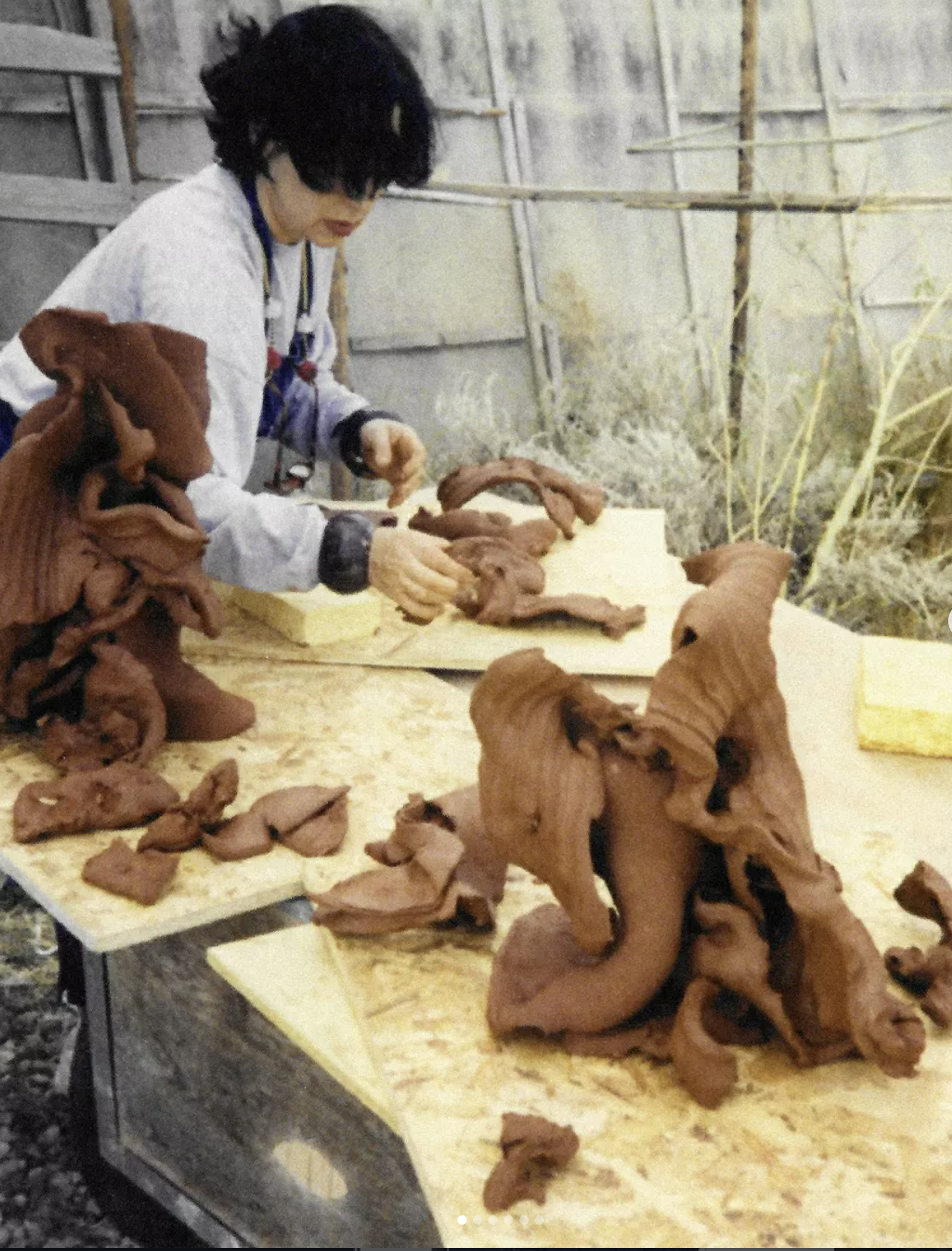
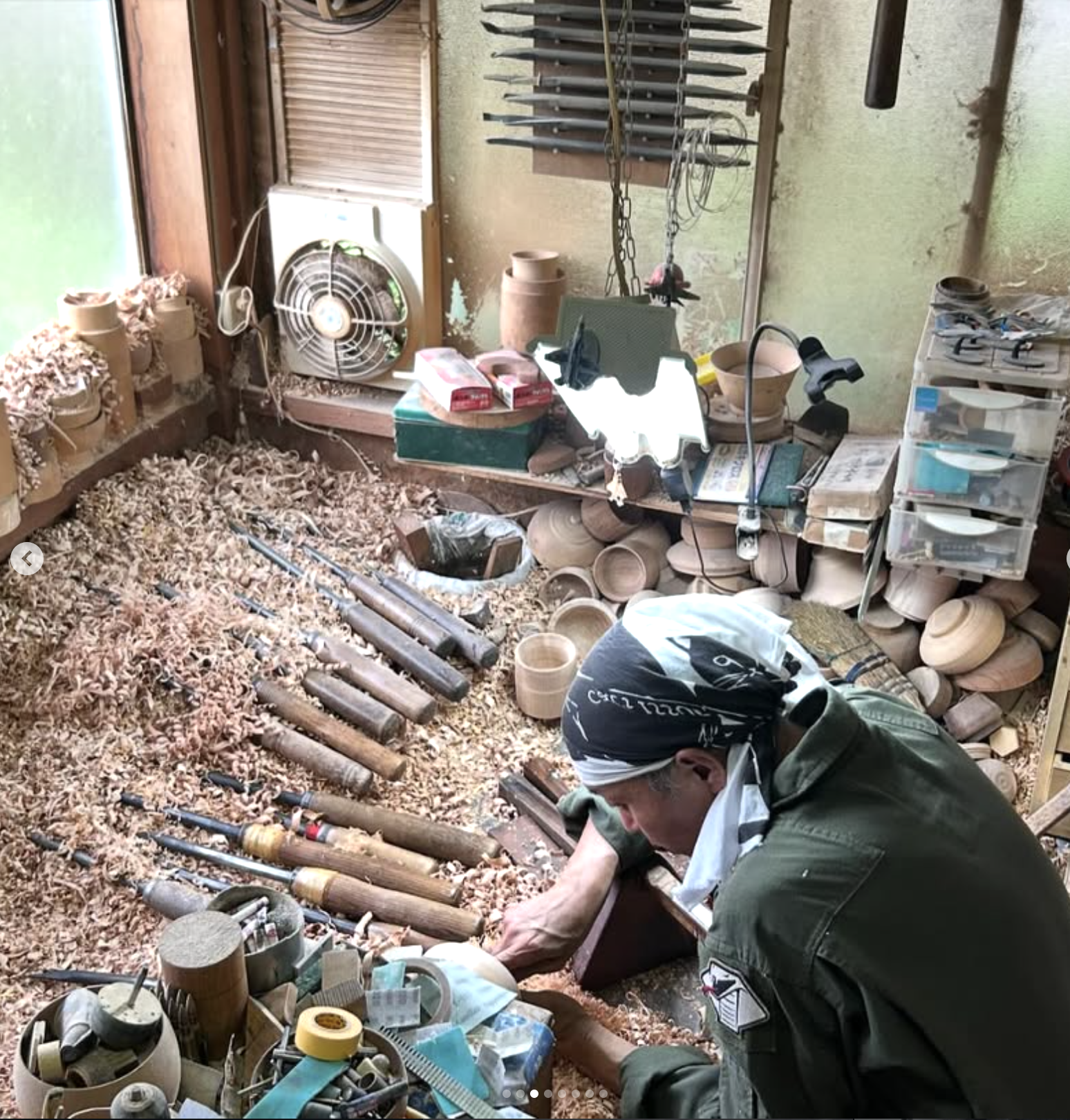
I like to listen to the chimes on this adrianne lenker track and feel the groundedness that is Anne’s property and presence. Her dedication to her craft, her outsider world. The materiality of her world, with it’s textures pulled from the natural world around her. Her frugality.
KATE’S WORLD
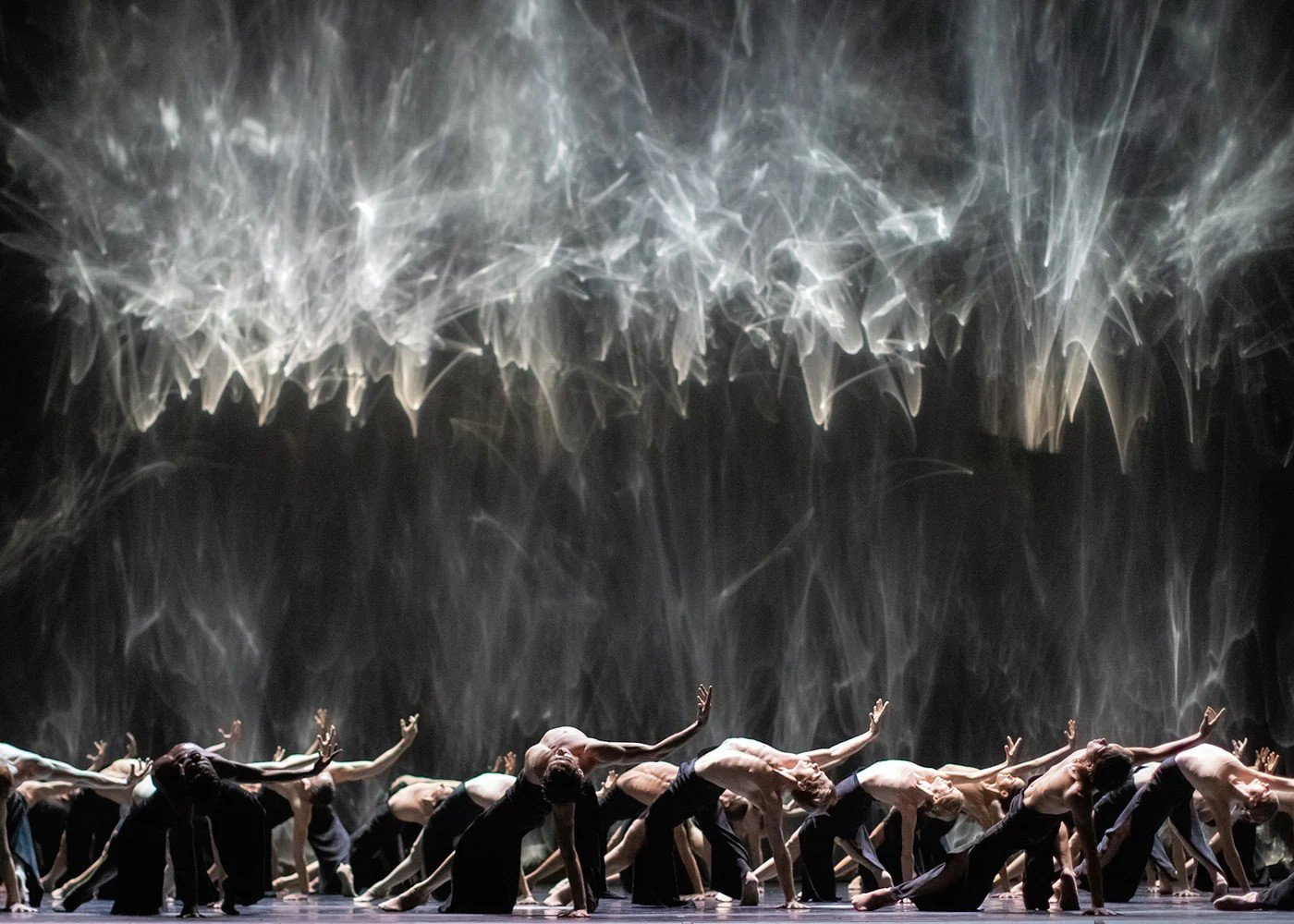
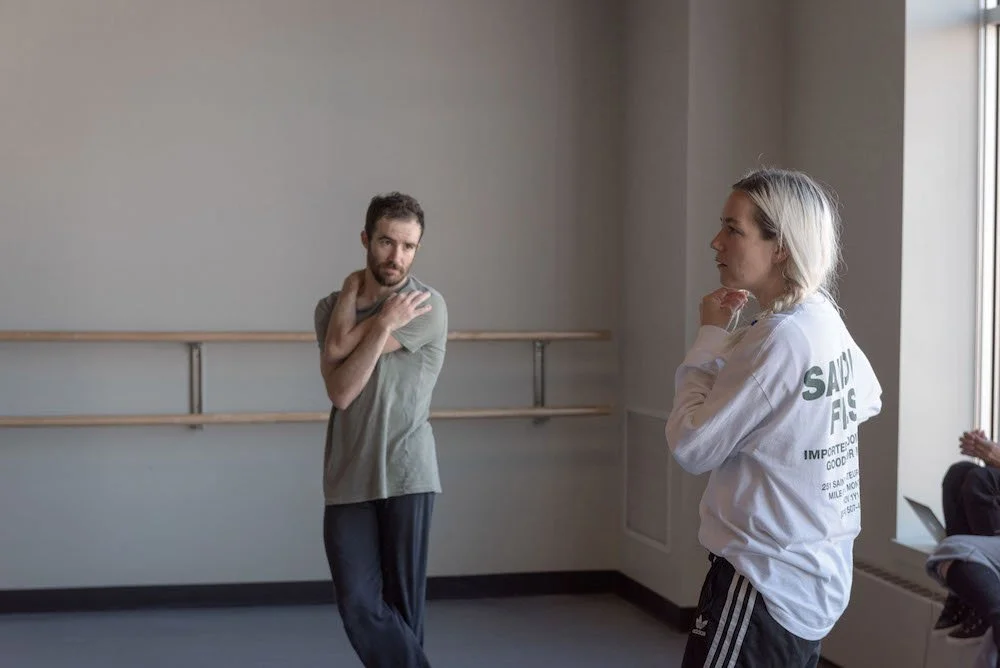
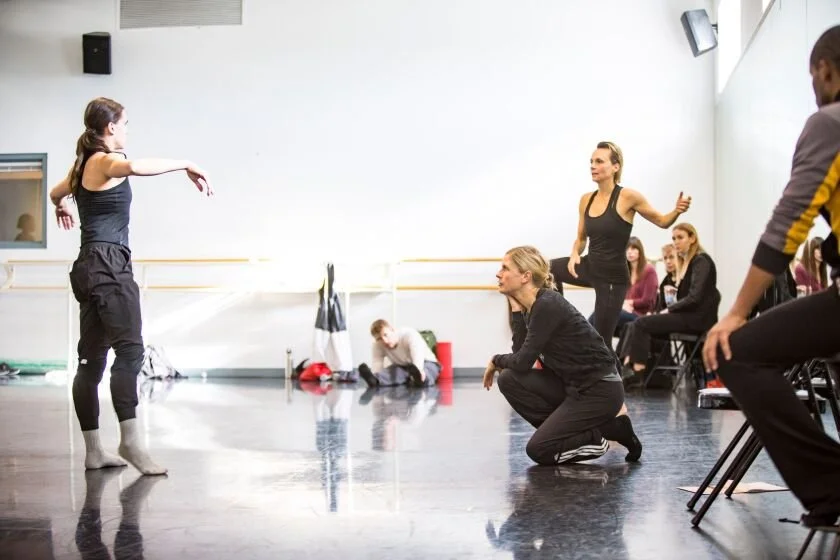
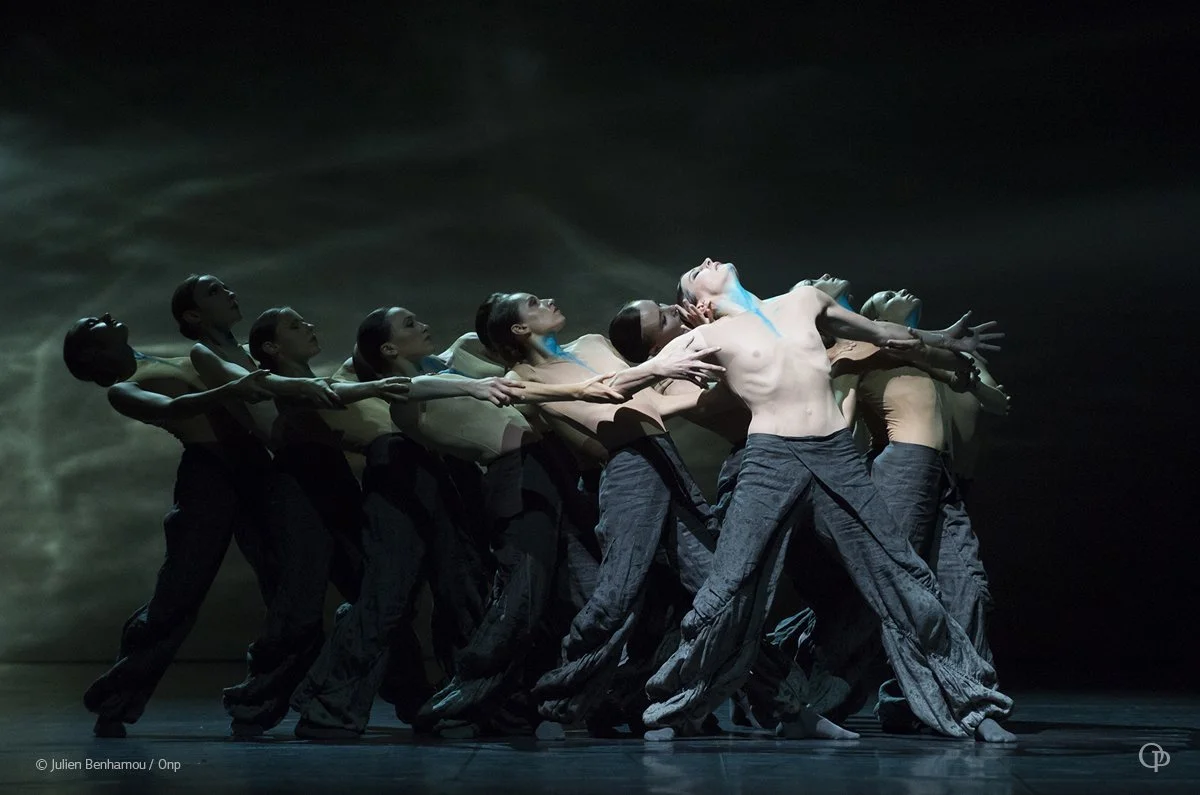
And Kate, who emerges as another mentor for Clara. Can you see how her dance world offers a middle way, one that has a love for ballet, but that has pushed from that starting point out towards a new language?
LEAVING THE ISLAND
I like to think of the last moment in the film, after Clara has stepped onto the ferry, and this one long shot of it going off into the wide lake, hearing the wind and the water, and perhaps this song, or one like it below, in it’s softness and earnestness that signals the end of a journey.
OTHER MUSIC
Here’s another playist of things I’ve been listening too to hear the rest of the world: the score, the classical music from her ballet performacnes, the music Tom would listen to on the island, the songs she might listen to in her lonliness, anger, and grief.
A NOTE ABOUT FORM & STYLE
The slowing down and opening up that Clara experiences over the course of film is the same arch that will guide the telling of the story cinematically.
Starting in Clara’s busy life in LA—sweating as she speeds down highways, pushes her body in rehearsals, and scrolls alone at night—the scenes will move more briskly, with Clara always in motion by day, and then solitary and alone at night. It’s a restricted world, with close ups, longer lenses, and less sense of the environment, highlighting the inflated importance of the ego and the loneliness of the digital era. Life in the ballet company is one where you are always being observed, by other dancers, audience, directors, donors, press, and Clara will feel these eyes on her as she struggles with her mental health.
With Clara’s arrival on the island, the film will begin to slow into the openness of its long walks and patient conversations. Longer shots, fewer edits, wider frames making the characters smaller, diminishing the ego and letting the trees and water spill into the frame. There is a sense of presence that - while it was there all along in the city - will settle in more and more.
Throughout, subtle emotional shifts will be explored in an understated, naturalistic style, refraining from exploiting the drama for sentimental value but not shying away from sincerity. And at select moments - whether in the camera’s meditative wanderings, the holding of a shot on screen in the edit, a small gesture of sound, the shaping of natural light on set, or the movement of an actor in space - we will push beyond the realism of the film, touching more directly on that space at the heart of the film.
Our job as collaborators will be to find a visual language that can make these shifts almost impercebtle to the audience and not feel forced or heavy handed. We have to hold a sense of where the film will arrive to know how to approach it from the beginning and make it all feel like one film. How do we meet the anxiety, lonliness, and pace of the city in the same film that reflects the rythm of the island?